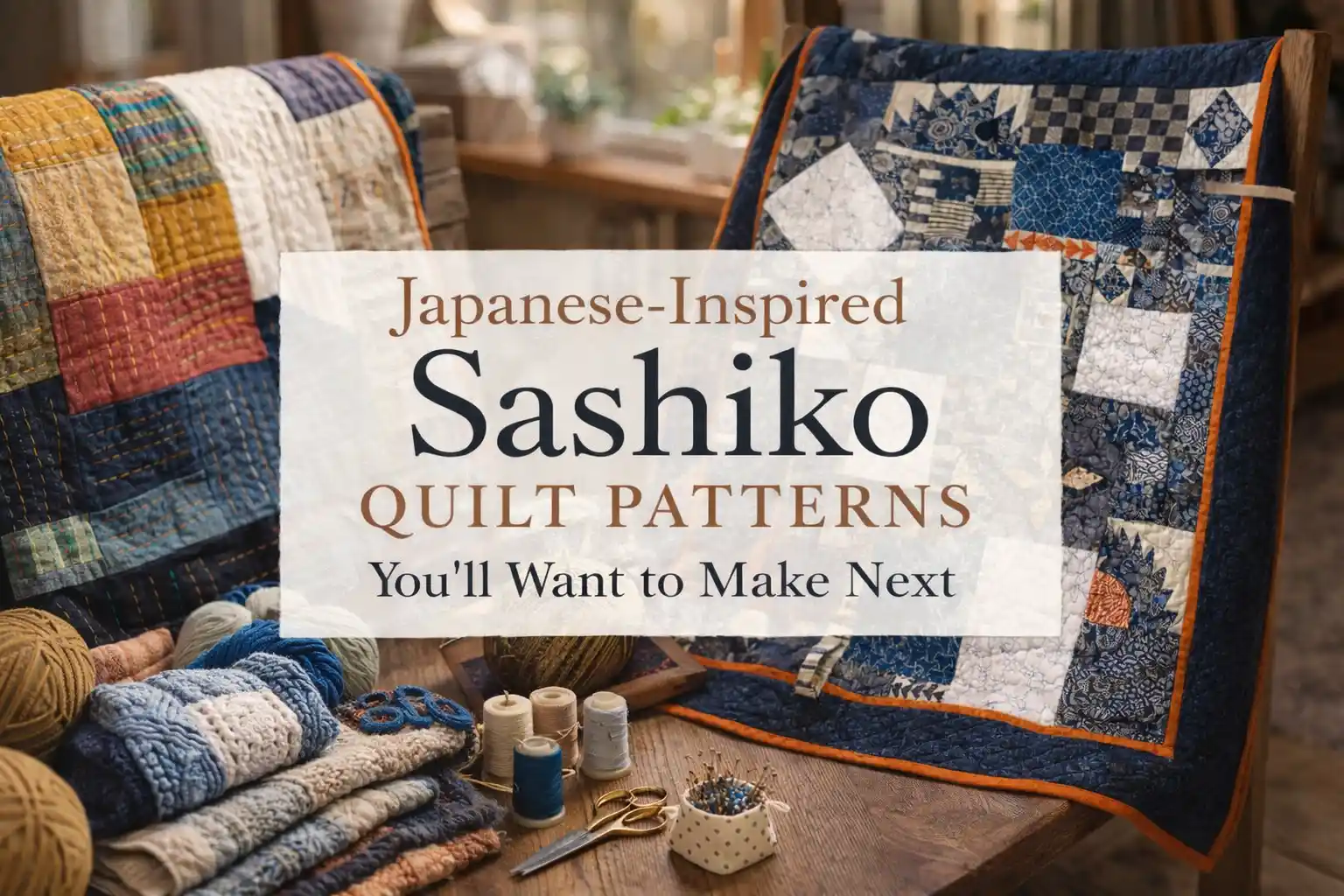
There is something incredibly calming about a sashiko quilt. Long before the first quilt block is finished, the simple rhythm of the stitches starts slowing everything down. And unlike many quilting styles that rely heavily on fabric prints or complex piecing, sashiko draws attention to the stitching itself. Every line becomes part of the design, creating texture, movement, and quiet beauty across the fabric. That simplicity is exactly why so many quilters find themselves returning to sashiko again and again.
Things You’ll Need
- Rotary cutter with a self-healing cutting mat
- High-quality cotton fabric bundles
- Acrylic quilting rulers for precise shapes
- Sewing machine with quilting foot attachment
- Soft batting for a cozy finished feel
What Is Sashiko Quilting?
Sashiko began in Japan as a practical stitching technique used to reinforce and repair clothing. Farmers, fishermen, and working families often layered fabric together with rows of running stitches to make garments warmer, stronger, and longer lasting. Over time, those functional stitches evolved into beautiful geometric patterns that became recognizable as an art form in their own right.
Today, sashiko quilting is appreciated for both its history and its appearance. Traditional designs often feature repeating motifs inspired by nature, waves, flowers, mountains, and geometric forms. Even simple running stitches can create a remarkable visual impact when repeated thoughtfully across a quilt. Many modern quilters combine sashiko-inspired stitching with patchwork, scrap quilting, and contemporary layouts to create something uniquely their own.
Japanese-Inspired Sashiko Quilt Patterns
1. Sashiko Daisies Machine Quilt
Skill level: Beginner to Intermediate
Time required: 1 to 2 weekends
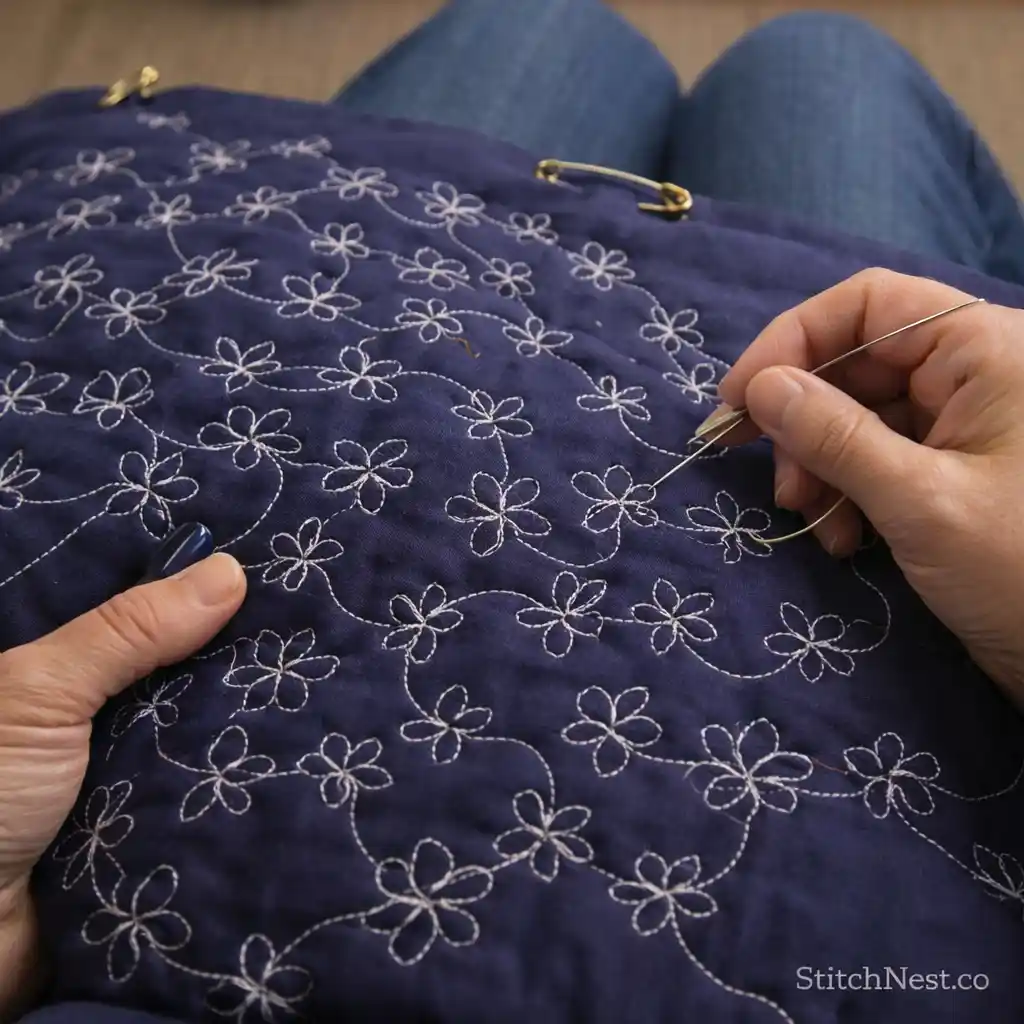
Floral motifs are often the perfect introduction to sashiko-inspired quilting because they feel decorative without requiring complex construction. This daisy design uses stitching to create texture and movement, allowing the quilting itself to become the star of the project. One thing many quilters discover quickly is that evenly spaced stitching lines make floral patterns look dramatically cleaner. Susie’s Scraps shares a beautiful interpretation that combines free-motion quilting with the charm of traditional sashiko-inspired designs. Here are more scrap quilt designs you’ll love!
2. Simply Sashiko & Squares Free Quilt PDF Instructions
Skill level: Beginner
Time required: 2 weekends
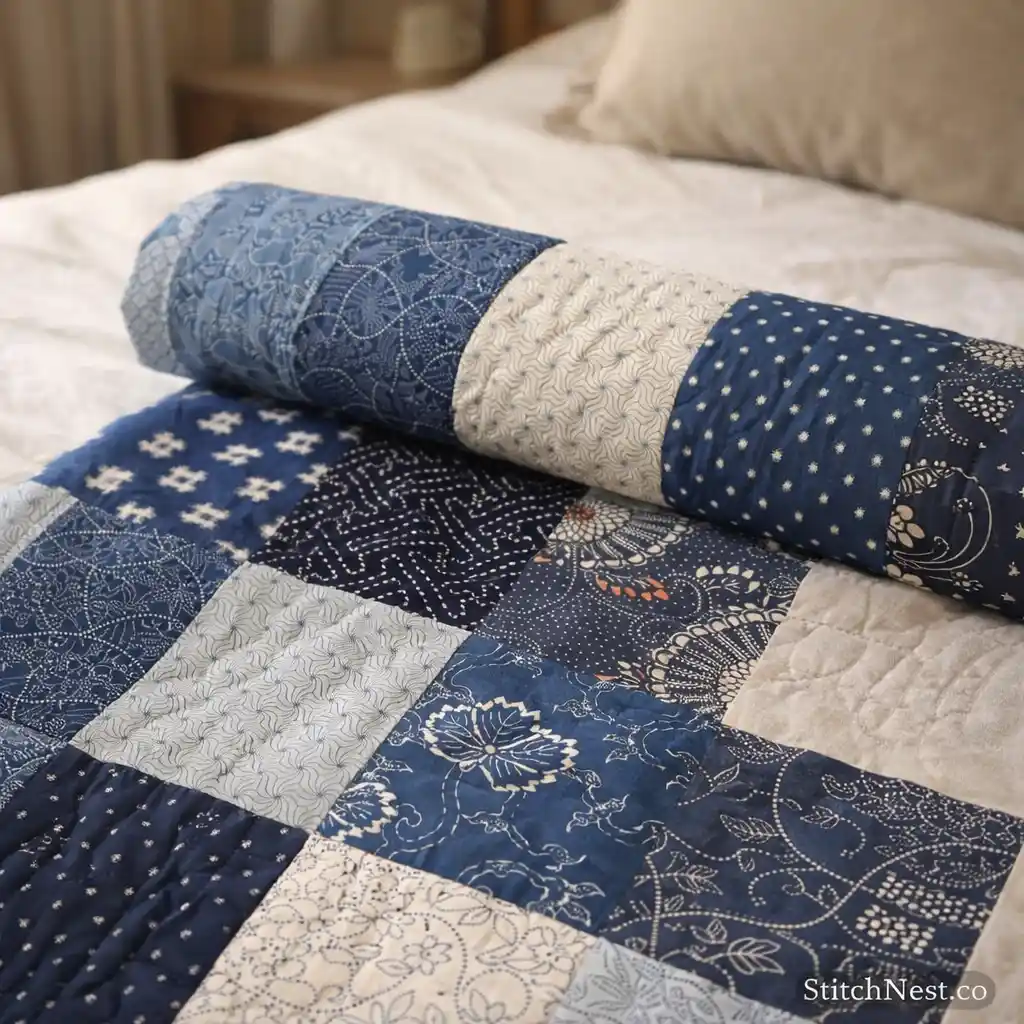
Combining simple patchwork squares with sashiko stitching creates a quilt that feels structured yet relaxed. The block layout provides visual order, giving the stitched patterns room to shine without competing for attention. If you’re working with multiple fabrics, maintaining a consistent thread color throughout the quilt often helps unify the entire design. Indigo Niche offers approachable, satisfying instructions for newer quilters.
3. Sashiko Clamshell Free Motion Quilting
Skill level: Intermediate
Time required: 2 to 3 weekends
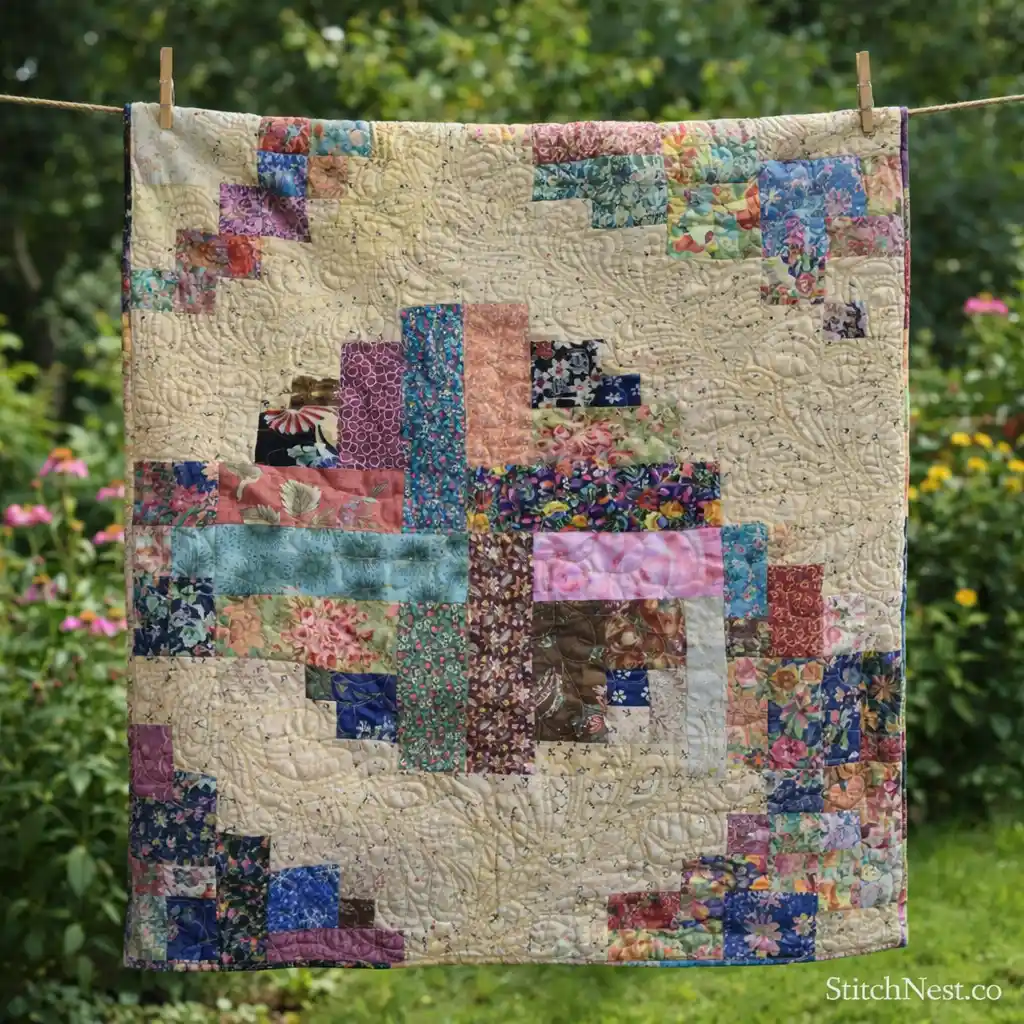
Clamshell patterns have a graceful flow that works beautifully with sashiko-inspired stitching. The repeated curves guide the eye naturally across the quilt, creating movement without feeling busy. Many quilters find that marking the curves carefully before stitching saves a great deal of time later, especially when working across larger sections. Susie’s Scraps demonstrates how this timeless motif can create impressive results with surprisingly simple techniques.
Every quilter needs a running list of future projects. Check out these quilt ideas for inspiration, new techniques, and patterns worth adding to your sewing queue.
4. Easy Sashiko Quilting Pattern Free
Skill level: Beginner
Time required: Weekend project
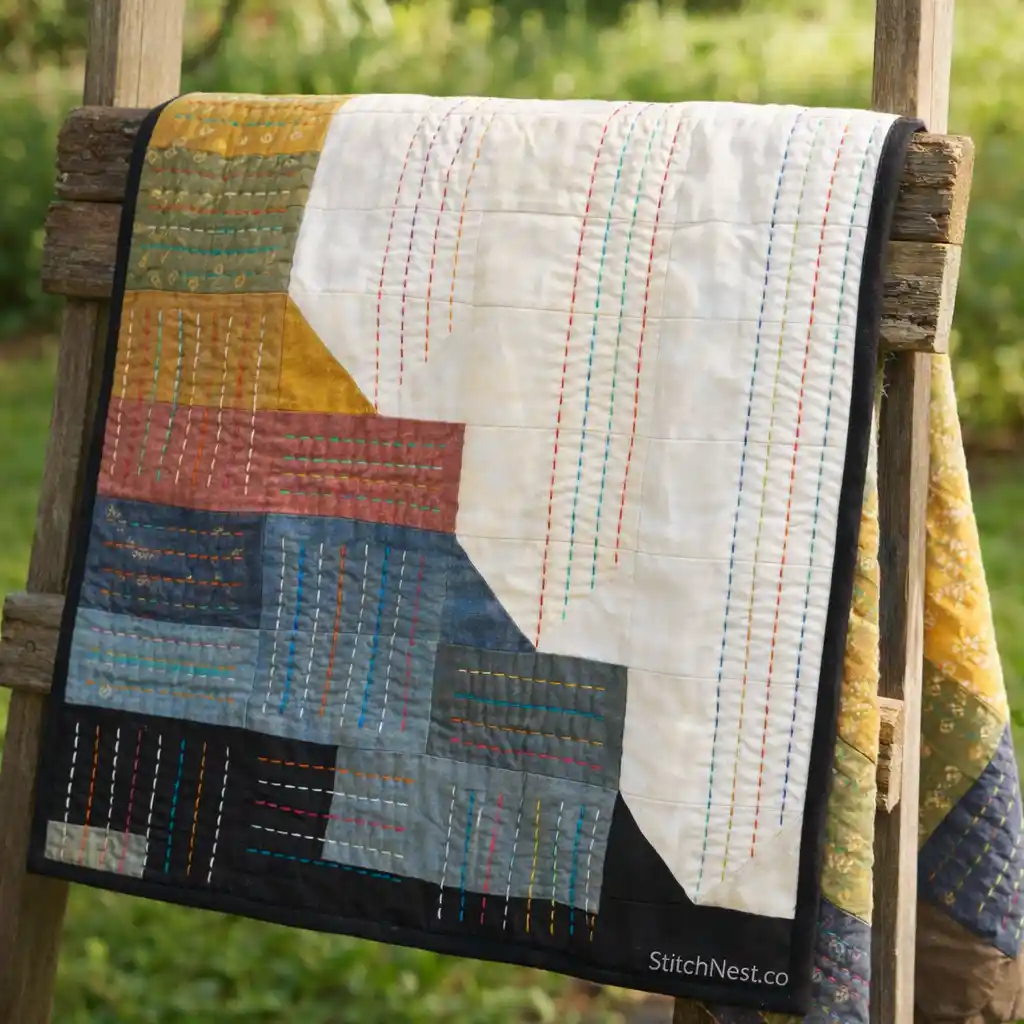
Sometimes the best way to learn sashiko is through straightforward repeating patterns that allow you to focus entirely on stitch consistency. This beginner-friendly approach teaches the fundamentals without overwhelming you with complicated layouts. Keeping stitch length as uniform as possible becomes more important than speed, particularly during the first few projects. Gathered has an easy pattern that helps build confidence quickly. Maybe try a baby quilt as well this weekend?
5. Beautiful Sashiko Quilt Pattern and Tutorial
Skill level: Intermediate
Time required: 2 to 4 weekends
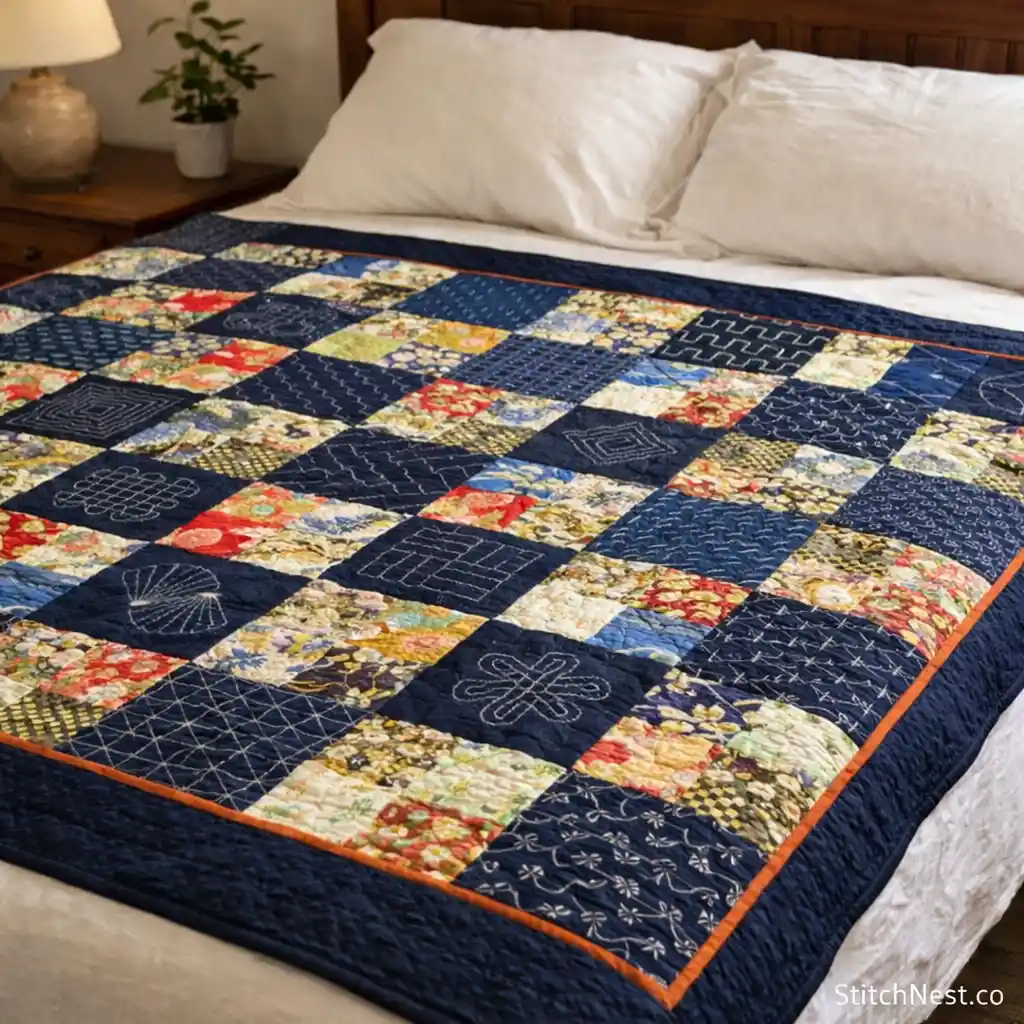
This quilt showcases the elegance that sashiko can bring to larger projects. The stitching creates layers of interest that reveal themselves gradually as you spend more time looking at the quilt. Rather than relying on bold fabrics, the design uses texture to create depth. Wendy’s Quilts and More provides a tutorial that highlights how thoughtful stitch placement can completely transform a quilt top.
6. Sashiko Quilting – How to Make a Japanese Embroidery Cushion
Skill level: Beginner
Time required: Weekend project
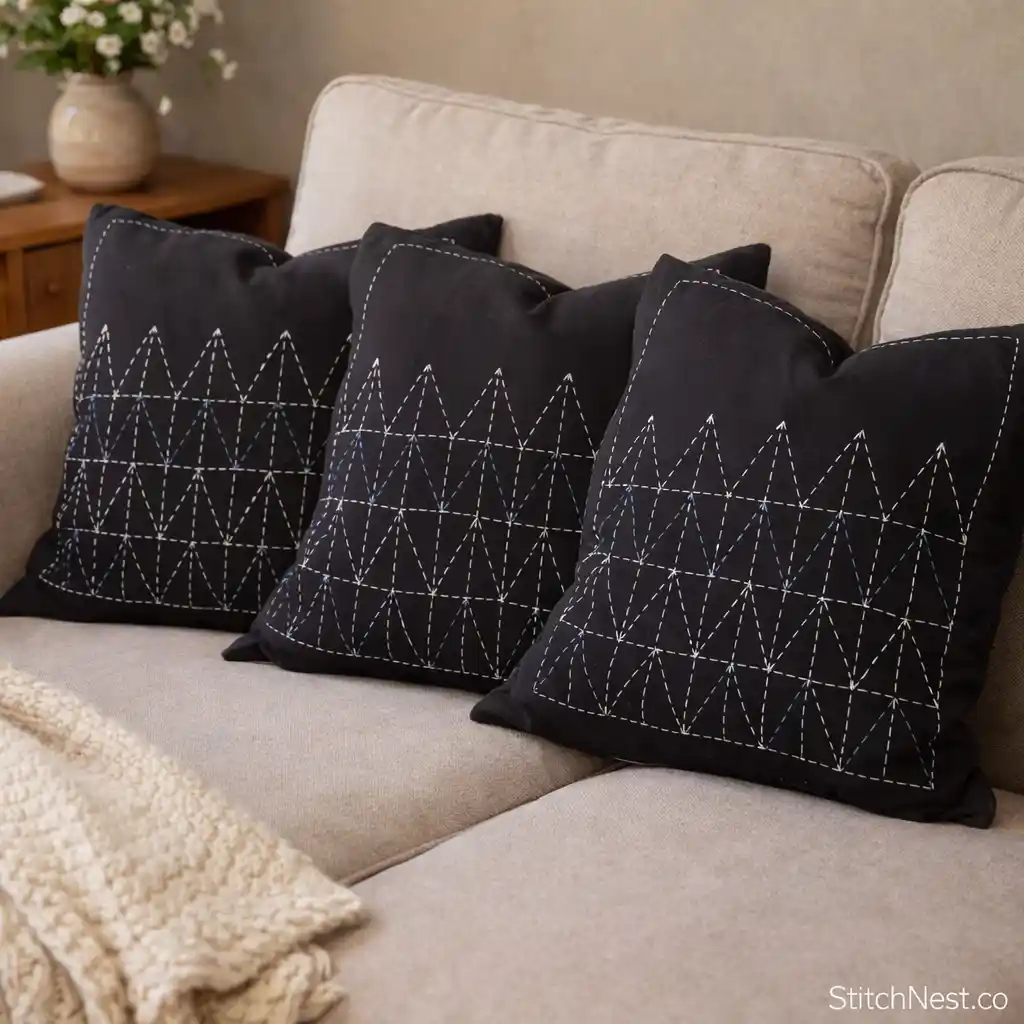
Although this project focuses on a cushion rather than a quilt, the techniques translate beautifully into quilting applications. Small projects often provide the perfect opportunity to practice stitch rhythm before committing to a larger piece. Many quilters appreciate being able to experiment with patterns, spacing, and thread choices on a manageable scale. So Sew Easy offers a practical project that teaches skills you’ll use again and again.
Looking for a smaller project before starting another full-size quilt? These floral quilt table runner patterns are packed with garden-inspired designs that sew up surprisingly quickly and make beautiful seasonal decor.
7. Scrappy Sashiko Quilt Pattern and Tips for Beginners
Skill level: Beginner to Intermediate
Time required: 2 weekends
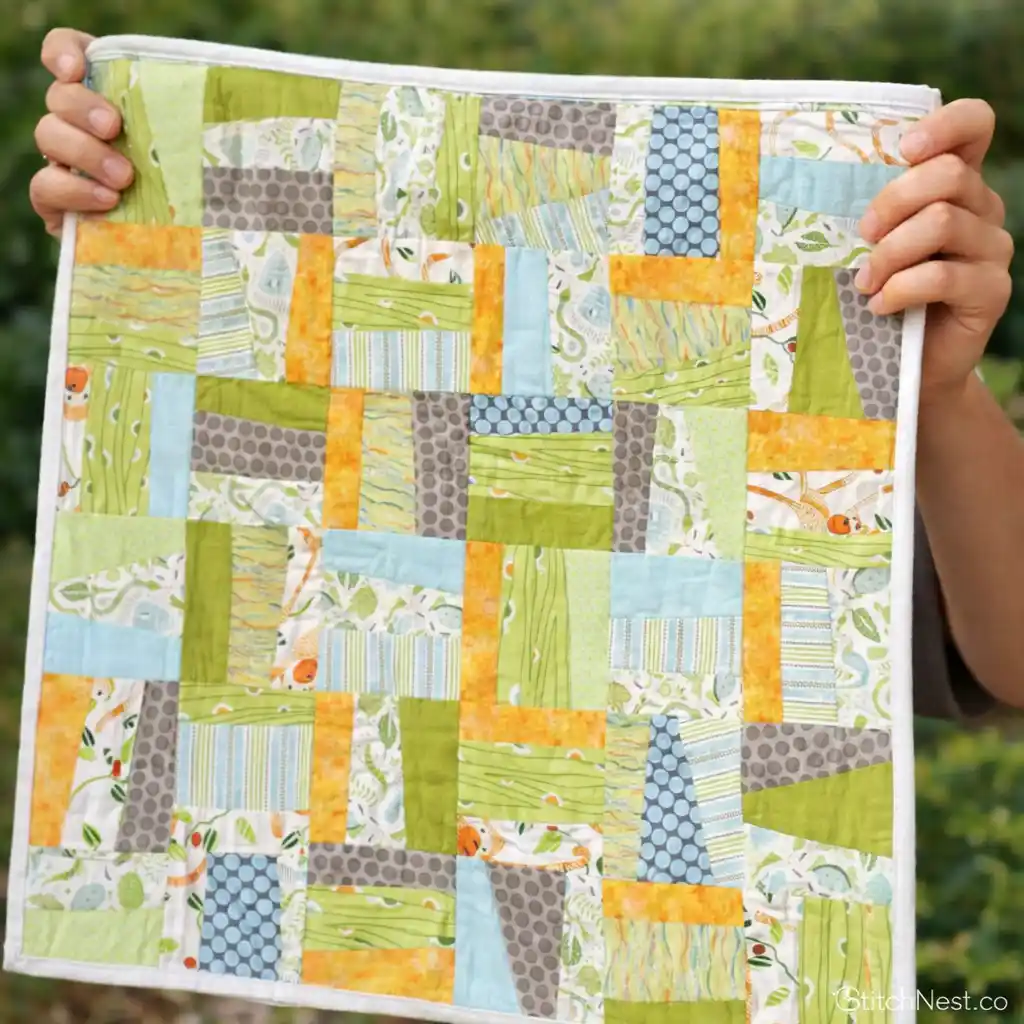
Scrap quilts and sashiko are a surprisingly natural combination. The varied fabrics add personality, while the stitching brings everything together visually. One useful approach is to keep the fabric colors diverse but limit the number of thread colors. That consistency helps prevent the quilt from feeling visually scattered. A Bit of Stitch shares useful beginner insights and the pattern for balancing scraps and stitching successfully. You know what else is trending? These cat quilts!
8. Sashiko Quilt Kit Piece
Skill level: Beginner
Time required: Varies by project size
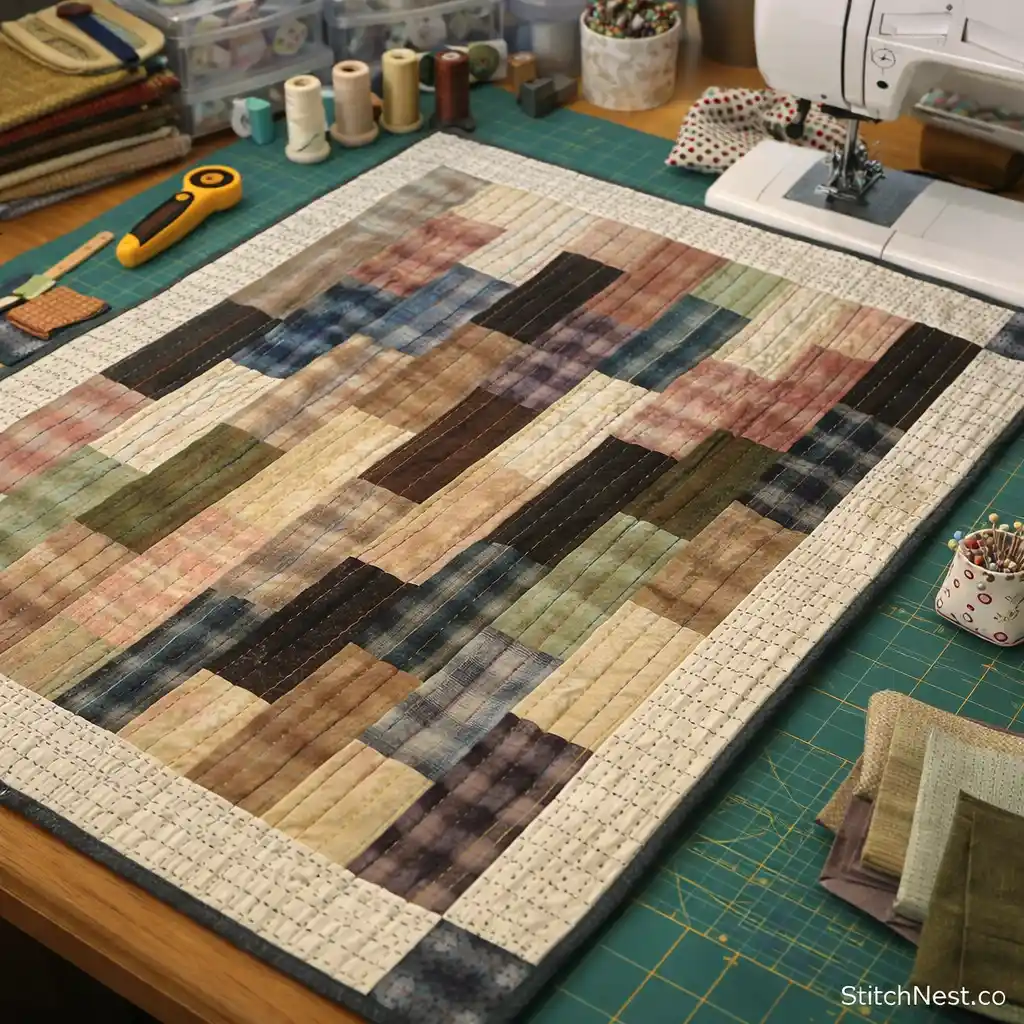
Quilt kits can remove much of the guesswork from choosing fabrics and coordinating materials. That allows you to focus more attention on the stitching itself. Kits are especially helpful when exploring a new quilting style because they provide a reliable starting point without requiring extensive planning. This Japanese taupe sashiko kit demonstrates how subtle color palettes can make stitched patterns stand out beautifully.
9. Sashiko Stitching Quilt
Skill level: Intermediate
Time required: 2 to 3 weekends
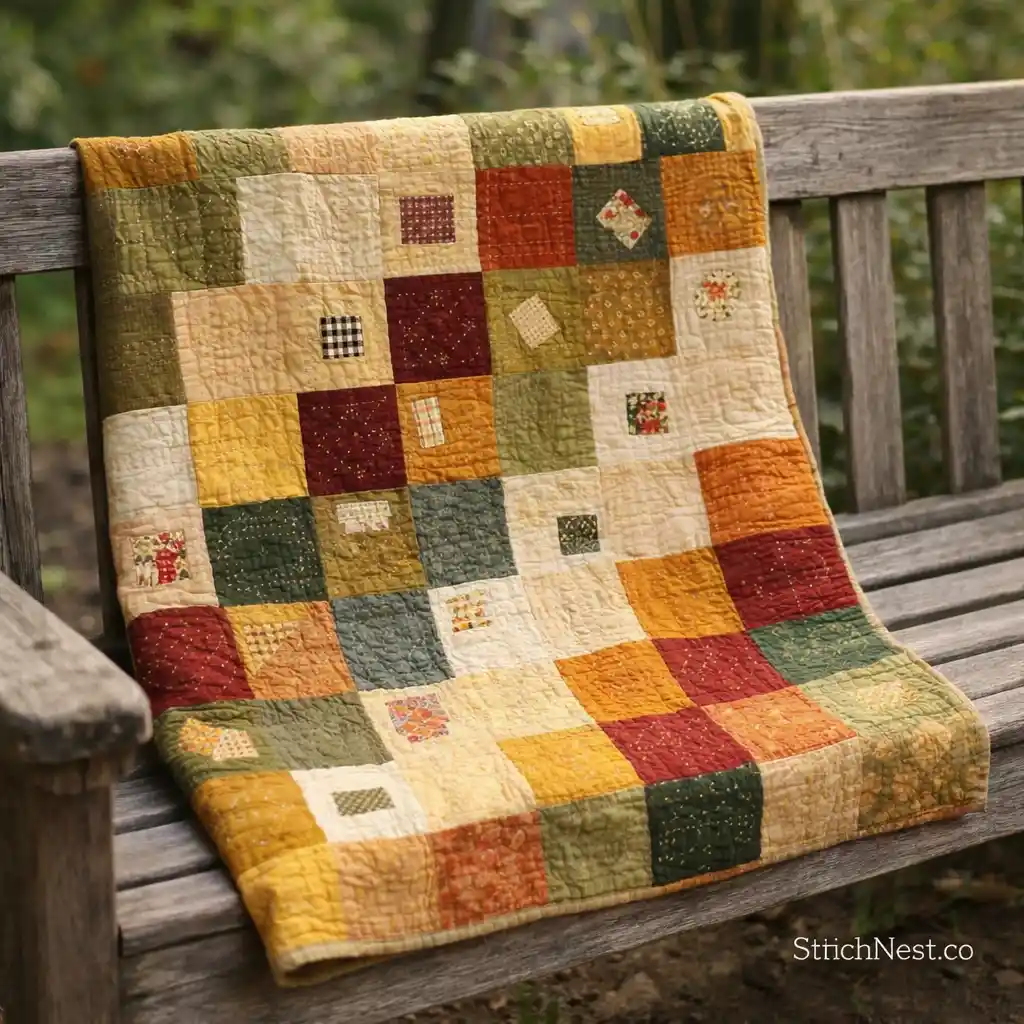
Some quilts showcase the power of simple repetition. In this design, rows of carefully placed sashiko stitching create texture that becomes more impressive the closer you look. Many experienced quilters recommend stitching in good natural light because it makes maintaining even spacing significantly easier. Farm Girl Bloggers shares a project that highlights the beauty of restraint and consistency.
10. Sashiko Quilt Inspiration Easy
Skill level: Beginner
Time required: Flexible
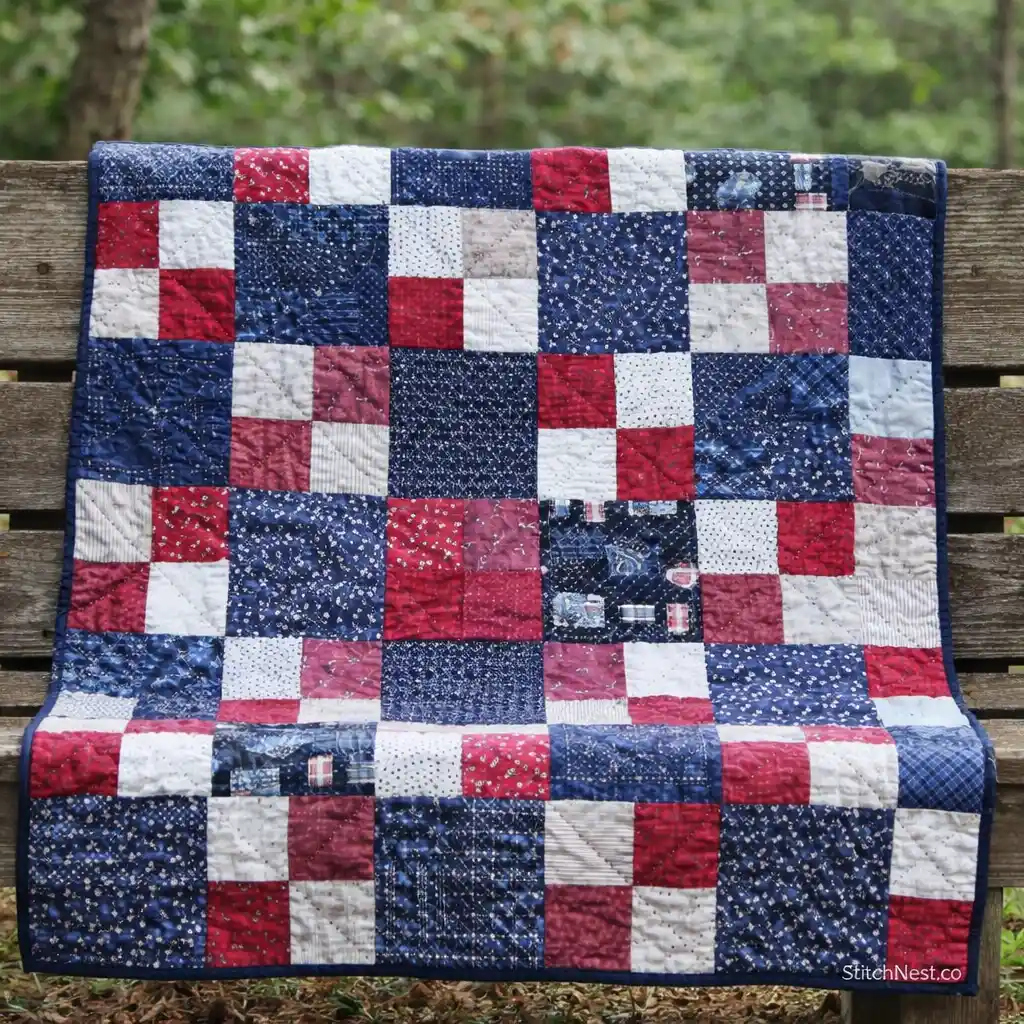
Not every project begins with a pattern. Sometimes inspiration from another quilter’s work is exactly what sparks a new idea. Looking at finished quilts can reveal creative ways to combine traditional motifs with modern layouts, color palettes, or fabric choices. This inspiring example shows how approachable sashiko can be, even for someone exploring hand quilting for the first time. Quick question, do you know how to make a denim quilted table runner? It’s incredibly easy!
11. Sashiko Sampler Quilt Idea
Skill level: Intermediate
Time required: 3 to 5 weekends
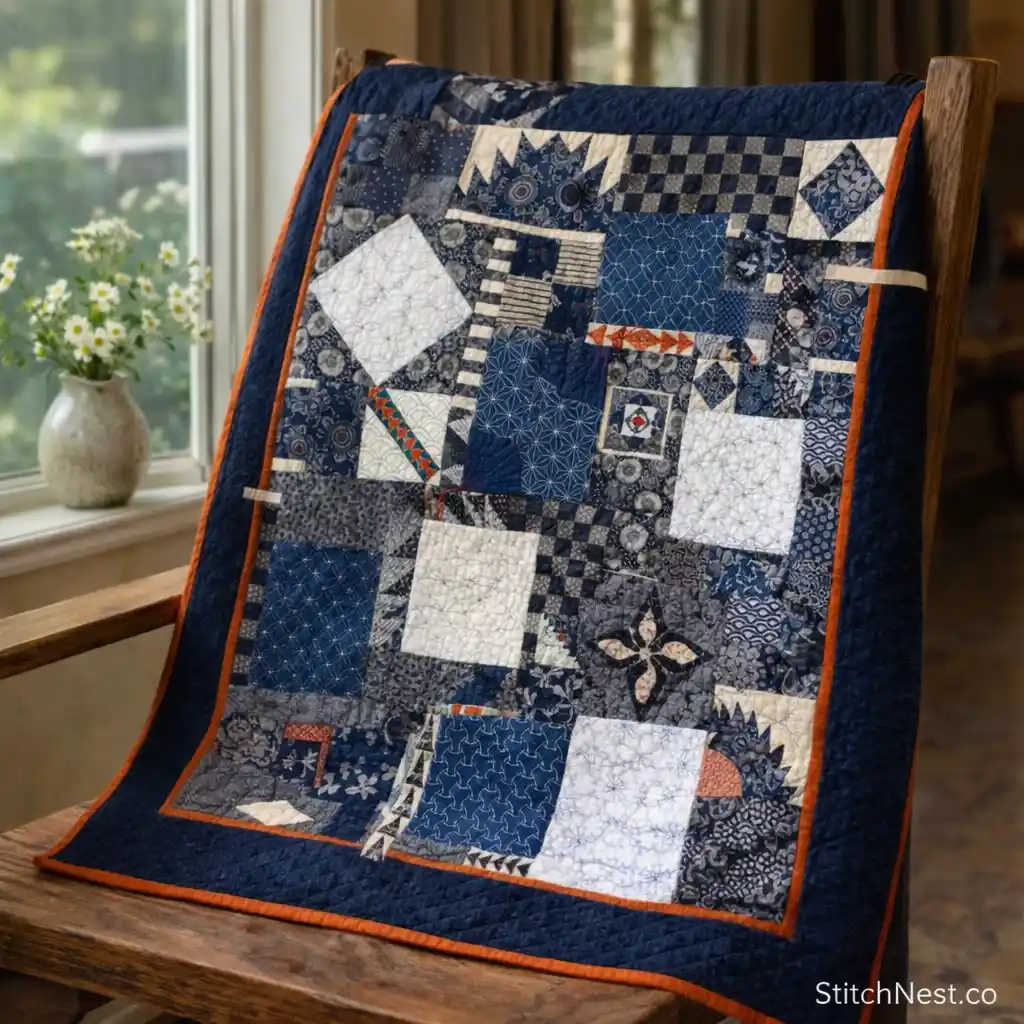
Sampler quilts offer the opportunity to experiment with several sashiko motifs in a single project. Each section becomes a small study of a different pattern, creating a quilt that feels rich in detail without requiring one large repetitive design. We often find that sampler quilts are some of the most enjoyable projects because every block introduces something new. The Embroiderers Guild example demonstrates just how beautiful a collection of traditional motifs can become when brought together.
Practical Tips for Better Sashiko Quilts
- Marking stitching lines accurately before you begin often produces cleaner results than trying to eyeball spacing as you sew. Even simple geometric patterns look more polished when the lines stay consistent across the quilt.
- Working with longer thread lengths may seem efficient, but shorter lengths typically reduce tangling and fraying. Many sashiko stitchers prefer replacing thread more often rather than fighting knots throughout the project.
- Good lighting makes a tremendous difference, especially when working on intricate motifs. Natural daylight helps maintain even stitch length and reduces eye strain during longer stitching sessions.
- Practicing a new motif on a fabric scrap before stitching directly onto the quilt often prevents mistakes and builds confidence with unfamiliar patterns.
Common Mistakes to Avoid When Quilting Sashiko
One of the most common issues beginners encounter is pulling the thread too tightly. Sashiko stitches should sit comfortably on the fabric rather than cinching it inward. Excess tension can create puckering that becomes difficult to remove later.
Another challenge appears when stitch lengths vary dramatically throughout a design. Perfect uniformity isn’t necessary, but noticeable inconsistencies can distract from the pattern itself. Slowing down slightly during the first few rows usually helps establish a more comfortable rhythm.
Many people also underestimate the importance of planning. Jumping directly into stitching without considering motif placement can make larger projects feel disorganized. Taking a few minutes to map out the design often leads to a much stronger finished result.
Sashiko quilting offers something that many modern quilting projects don’t always provide: a chance to slow down and enjoy the stitching itself. Every line contributes to the finished design, and even the simplest patterns carry a sense of history and craftsmanship that feels deeply rewarding. As a next project, go with these French roses quilts!