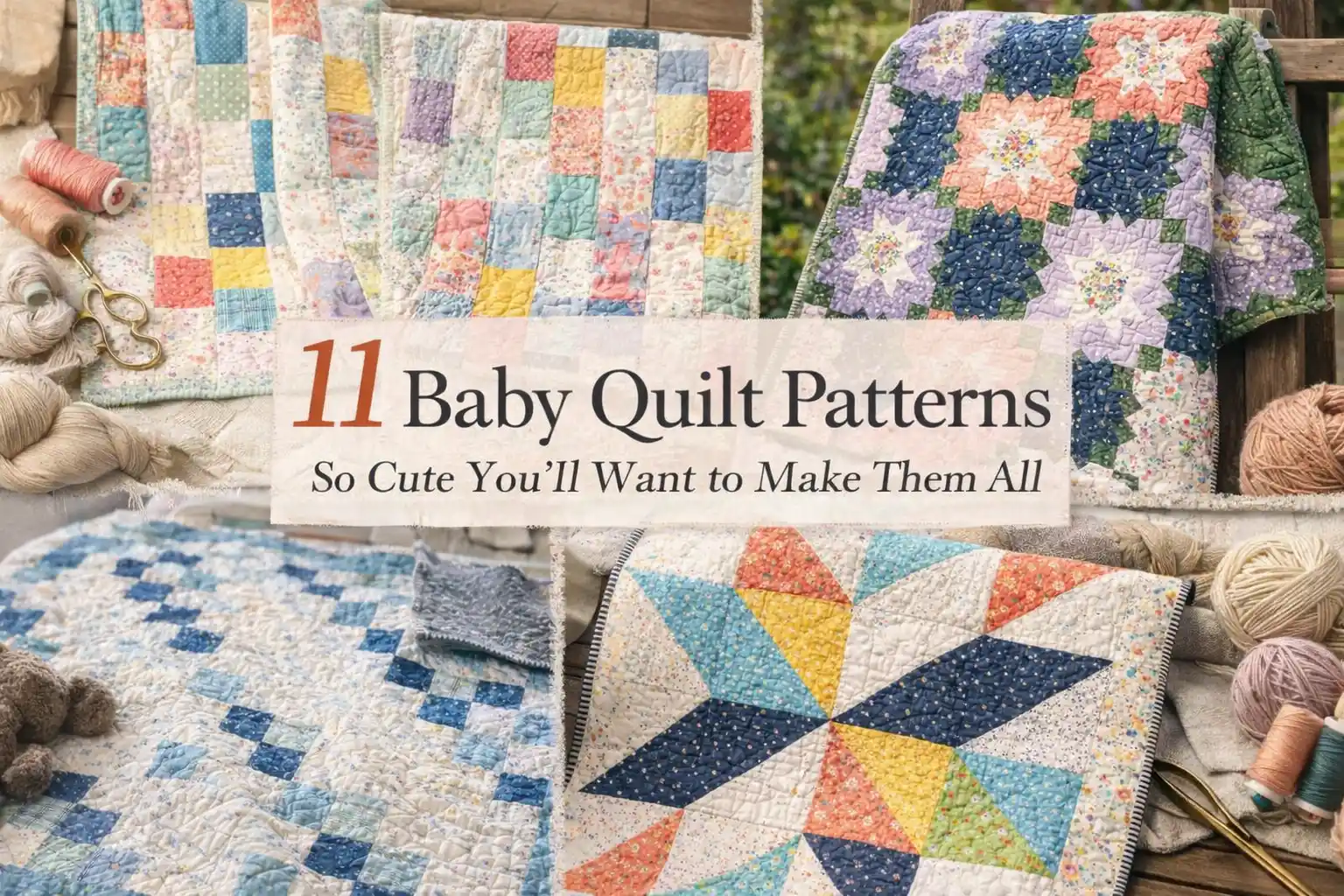
Baby quilts have a way of becoming more than just sewing projects. Long after the fabric softens and the stitches settle in, these quilts usually end up tied to memories, milestones, and everyday moments that families hold onto for years. That is exactly why choosing the right baby quilt pattern matters so much. You want something that feels cozy and practical, but also special enough to look beautiful folded over a crib, tucked into a stroller, or saved away as a keepsake later.
Things You’ll Need
- Rotary cutter with a self-healing cutting mat
- High-quality cotton fabric bundles
- Acrylic quilting rulers for precise shapes
- Sewing machine with quilting foot attachment
- Soft batting for a cozy finished feel
Baby Quilt Free Patterns
1. Vincent Quilt Pattern Baby Pattern
Skill level: Intermediate
Time required: 8 to 14 hours
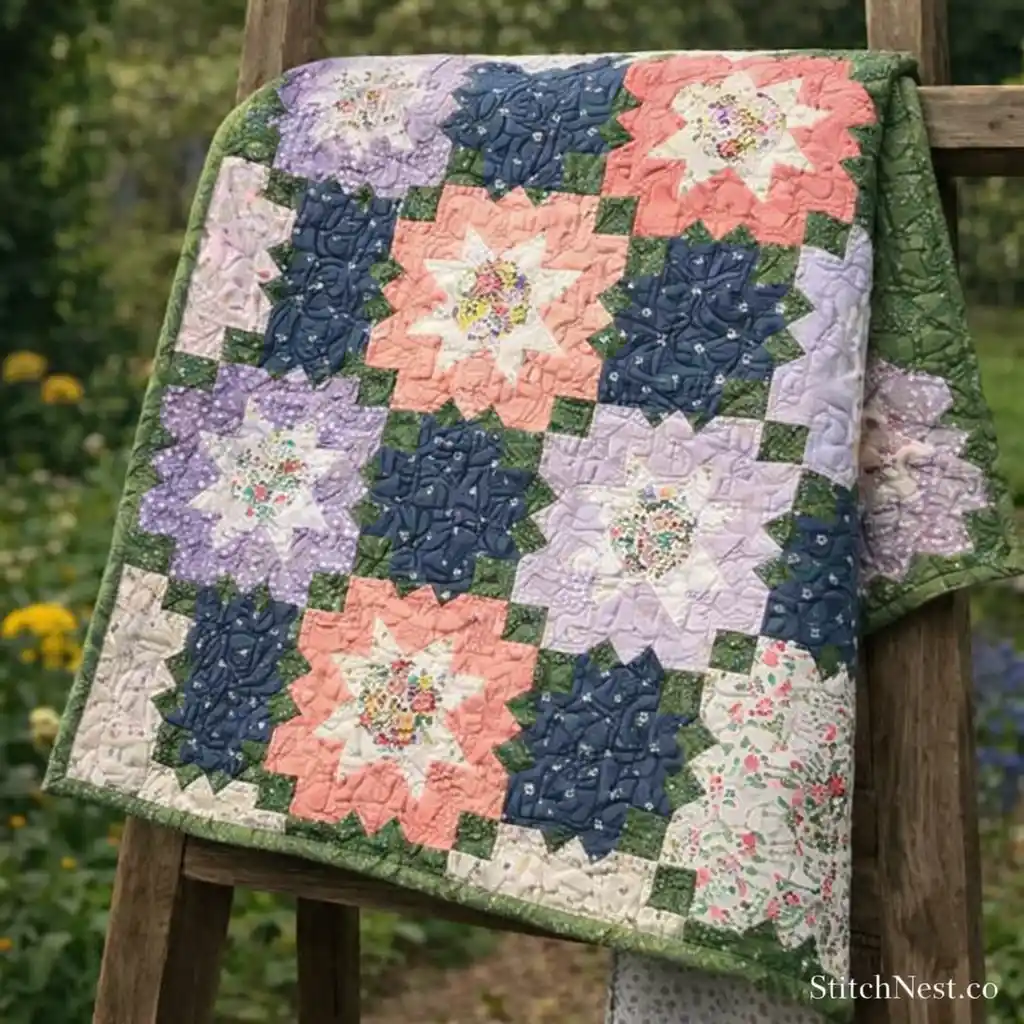
This quilt pattern has a soft, modern look that feels detailed without becoming visually overwhelming. The layout creates movement naturally, which gives the finished quilt a more refined appearance even when using simple fabric combinations. One thing that really helps with patterns like this is repeating one or two colors across multiple blocks so the quilt feels cohesive instead of overly busy. Sharon Holland Designs shares a beautiful baby quilt pattern that balances structure and softness really well.
2. Gingham Baby Quilt Pattern
Skill level: Beginner
Time required: 6 to 10 hours
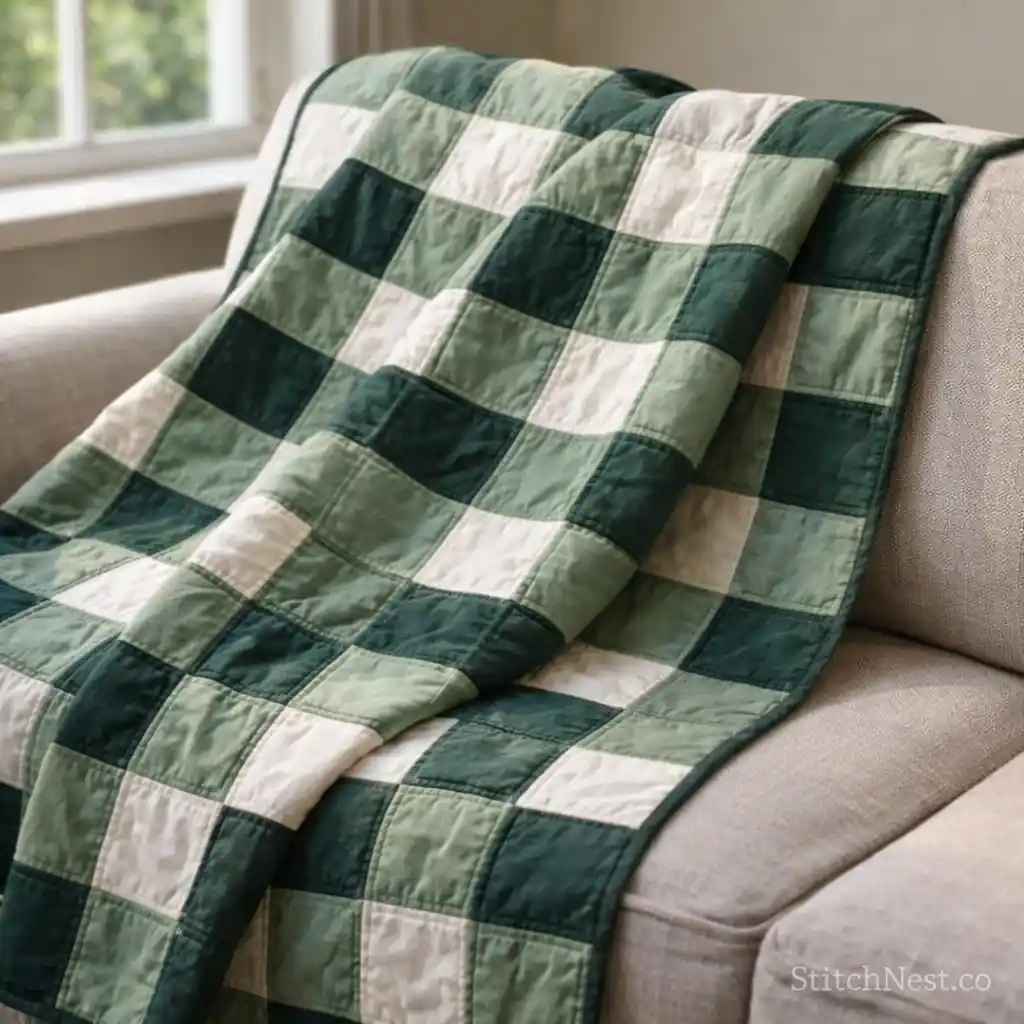
Gingham quilts always feel timeless because the repeated check pattern creates such a clean and cozy finish. The design works especially well for baby quilts since the layout looks polished without requiring complicated piecing techniques. Did you know slightly softer shades usually make gingham quilts feel warmer and more nursery-friendly than very bright colors? Small fabric choices like that can completely change the personality of the finished quilt. Madison Rose Quilting Co explains the steps clearly and keeps the process approachable for beginners.
3. How to Make a Simple Baby Quilt
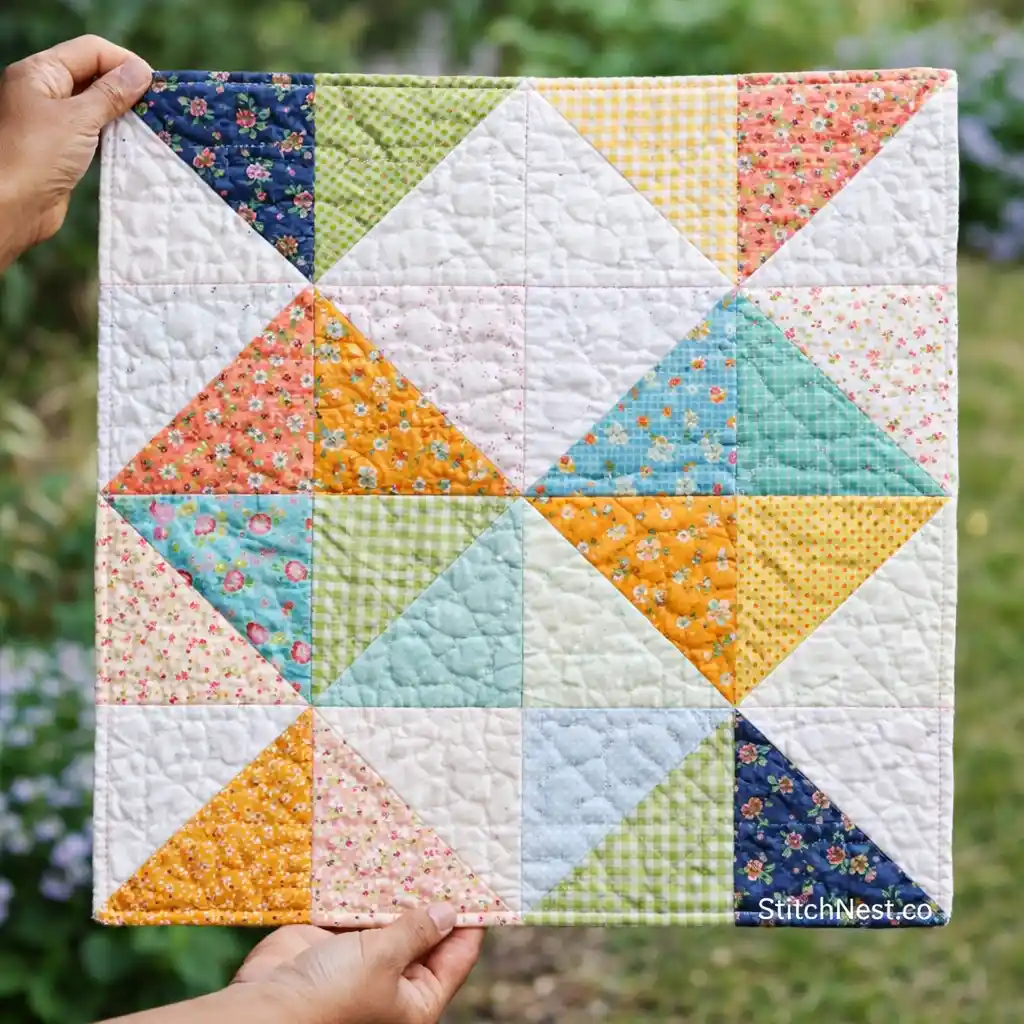
Skill level: Beginner
Time required: 5 to 8 hours
Simple baby quilts are often the most practical because they sew up quickly and work beautifully for daily use. The clean layout keeps the quilting process relaxing, especially if you are still learning how to manage larger fabric sections under the machine. A habit that helps immediately is pressing every seam before moving to the next step, because even small wrinkles become noticeable once quilting begins. Seasoned Homemaker shares the beginner-friendly tutorial here.
Every quilter needs a running list of future projects. Check out these quilt ideas for inspiration, new techniques, and patterns worth adding to your sewing queue.
4. Two by Two Baby Blanket
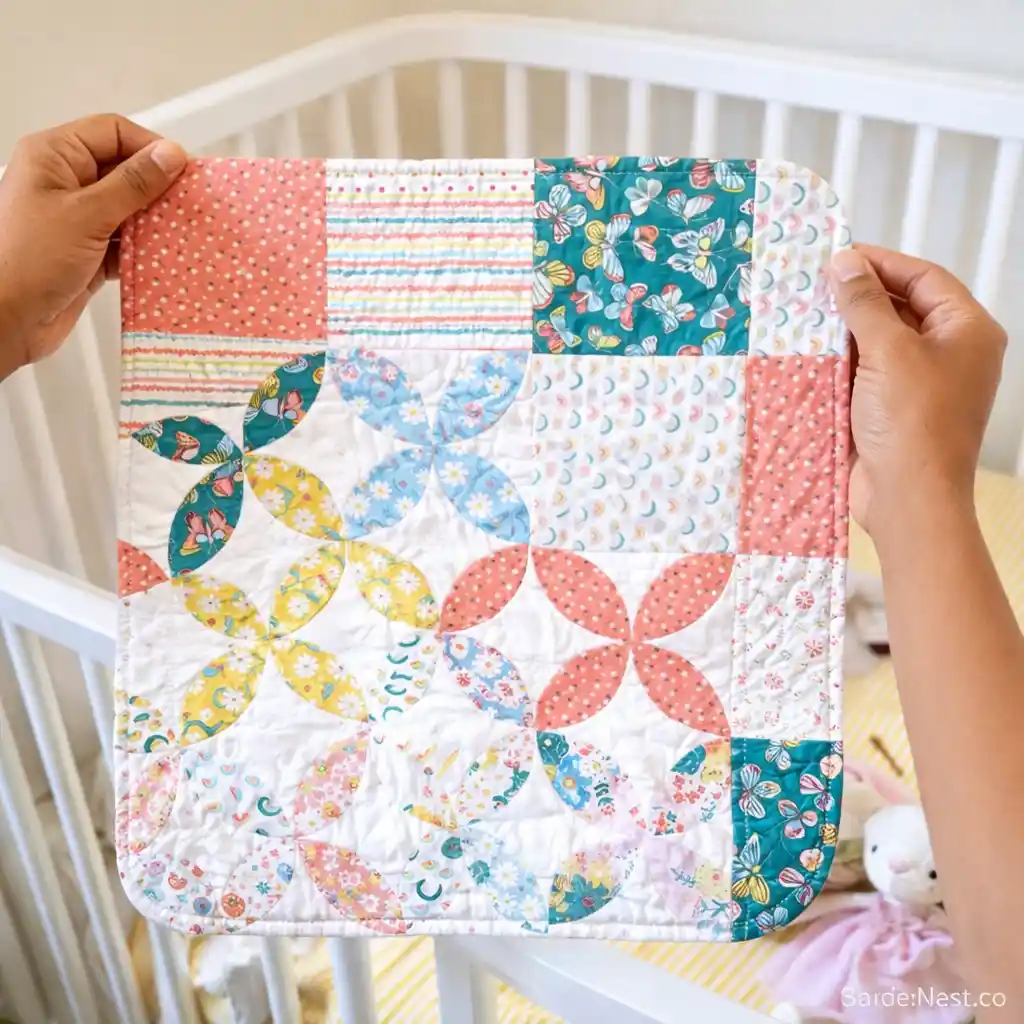
Skill level: Beginner to Intermediate
Time required: 7 to 11 hours
This baby blanket pattern has a playful layout that feels cheerful without becoming too crowded visually. The repeated block structure also makes the sewing process feel very steady once the first few rows are complete. We often notice that alternating prints with calmer solids helps the pattern stand out much more clearly across the finished quilt. Fat Quarter Shop explains the assembly in a way that feels organized and manageable from start to finish.
5. Beginner-Friendly Irish Chain Baby Quilt Pattern
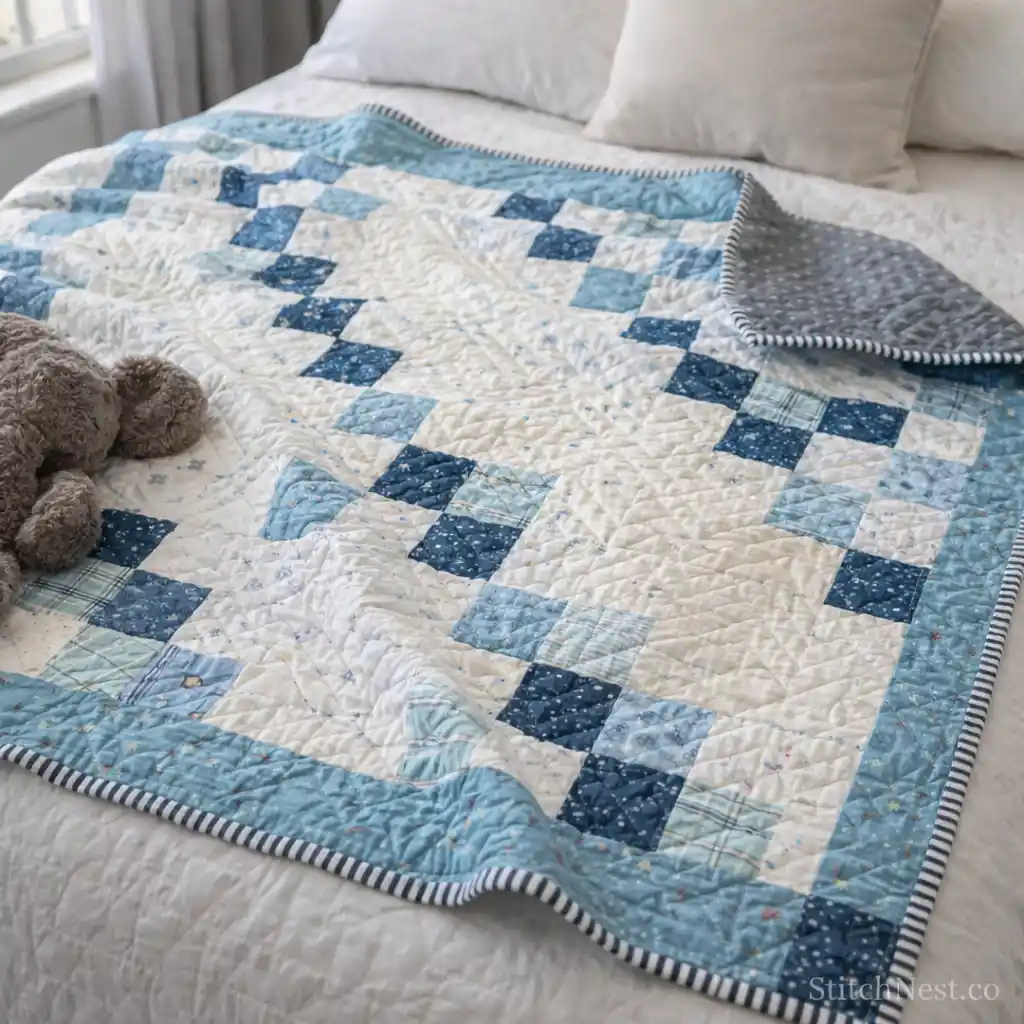
Skill level: Beginner to Intermediate
Time required: 8 to 12 hours
Irish chain quilts look far more complicated than they actually are, which is one reason they stay so popular for baby blankets. The chain effect creates beautiful movement across the quilt and instantly gives the design a classic handmade feel. Here’s a useful quilting tip. Keeping the contrast between chain fabrics and background fabrics fairly strong helps the pattern remain crisp even after washing. Polka Dot Chair offers a pattern that feels beginner-friendly without losing that traditional quilt charm.
If you’re looking for a project that helps you use up leftover fabric without tackling anything too complicated, these scrappy quilt patterns are a great place to start. They turn small fabric pieces into finished quilts that actually get completed.
6. Sweet n’ Sassy Baby Quilt
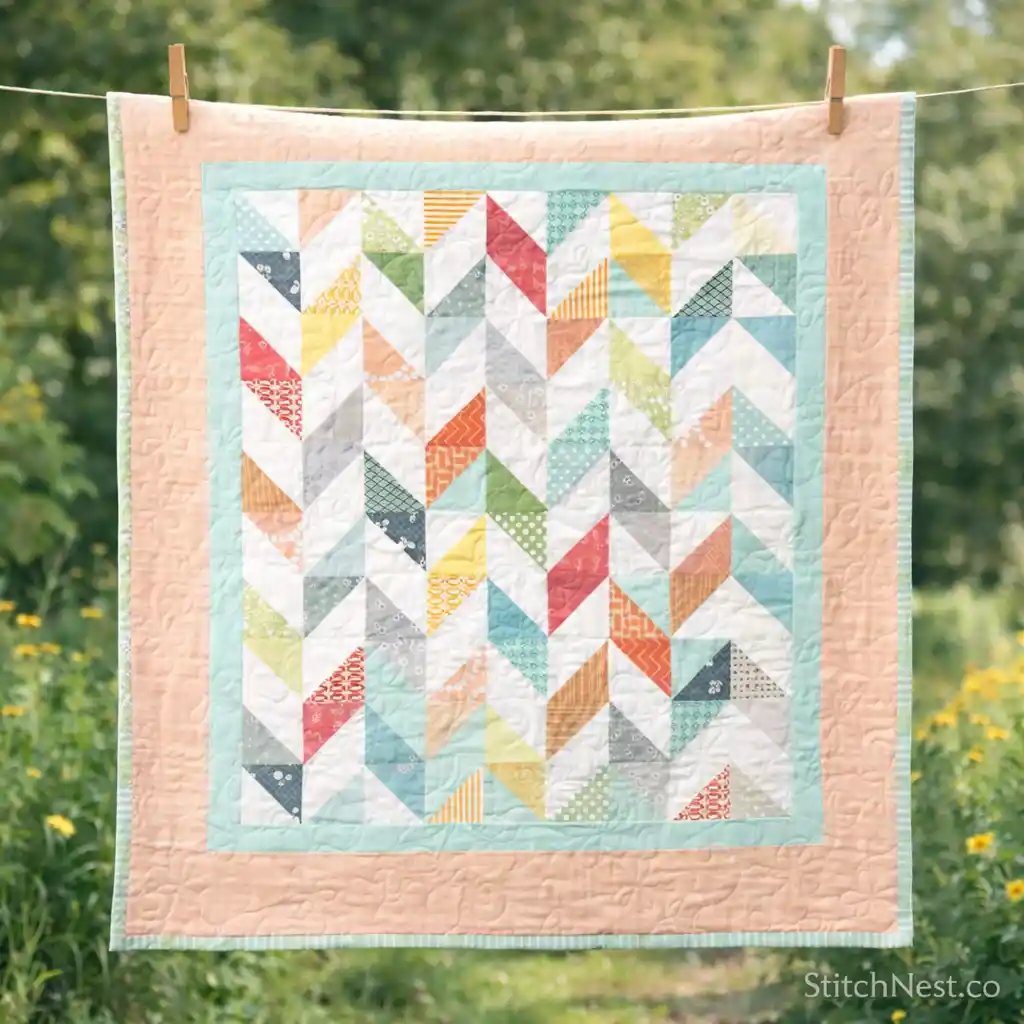
Skill level: Intermediate
Time required: 8 to 13 hours
This quilt pattern has a fun and energetic layout that works beautifully with bright prints, playful florals, or colorful nursery fabrics. The block arrangement creates enough detail to keep the quilt visually interesting without making the piecing feel overly technical. Before sewing long rows together, laying the blocks out on the floor usually helps catch uneven color placement early. Cluck Cluck Sew shares this pattern that feels cheerful and creative without becoming difficult to manage.
7. Easy Baby Quilt Pattern for Beginner Quilters
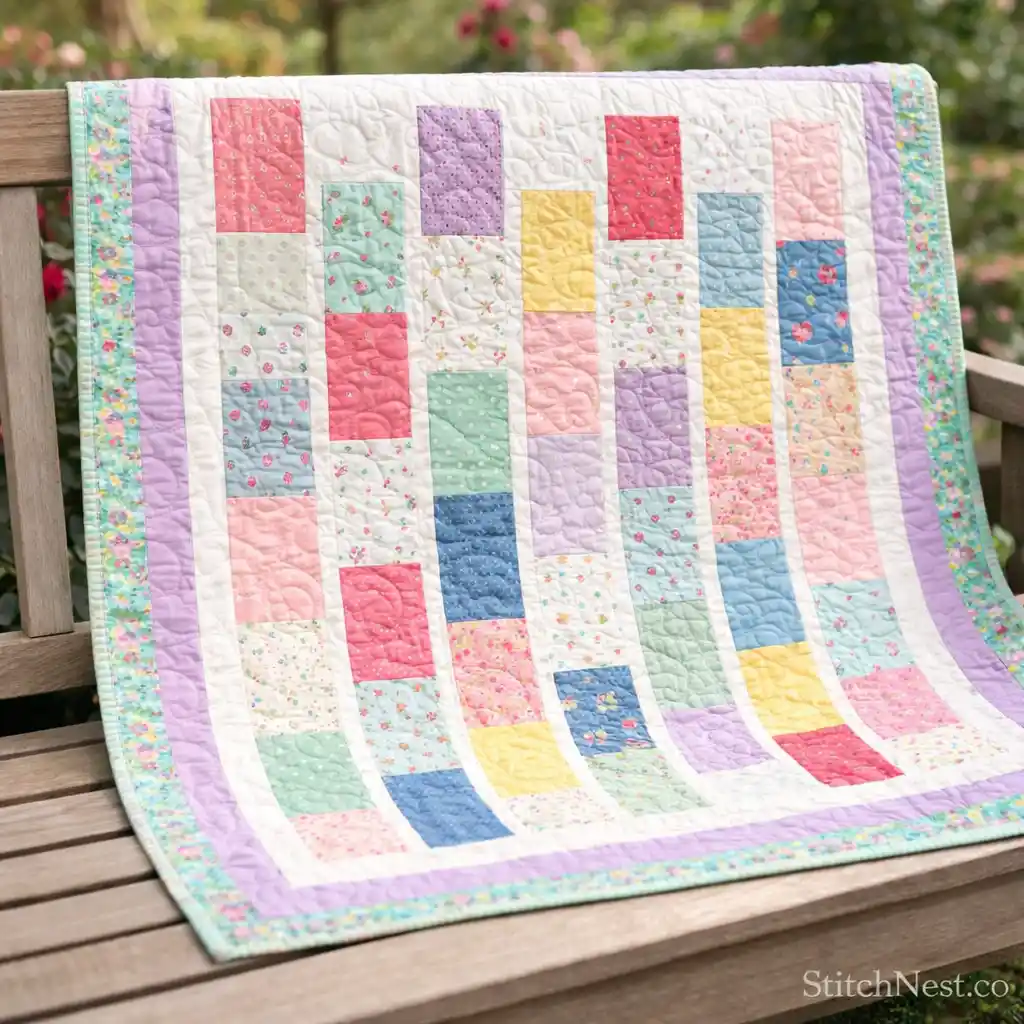
Skill level: Beginner
Time required: 5 to 9 hours
A beginner quilt should feel relaxing to sew, and this pattern does a great job of balancing simplicity with a polished finished look. Larger fabric sections and straightforward piecing help the quilt come together faster, which makes it especially encouraging for newer quilters. One thing experienced quilters often do with beginner baby quilts is choose fabrics with subtle texture or small prints because they help hide tiny seam inconsistencies naturally. Pieced Brain explains the process in a very approachable and beginner-friendly way.
8. Baby Star Quilt Free Pattern
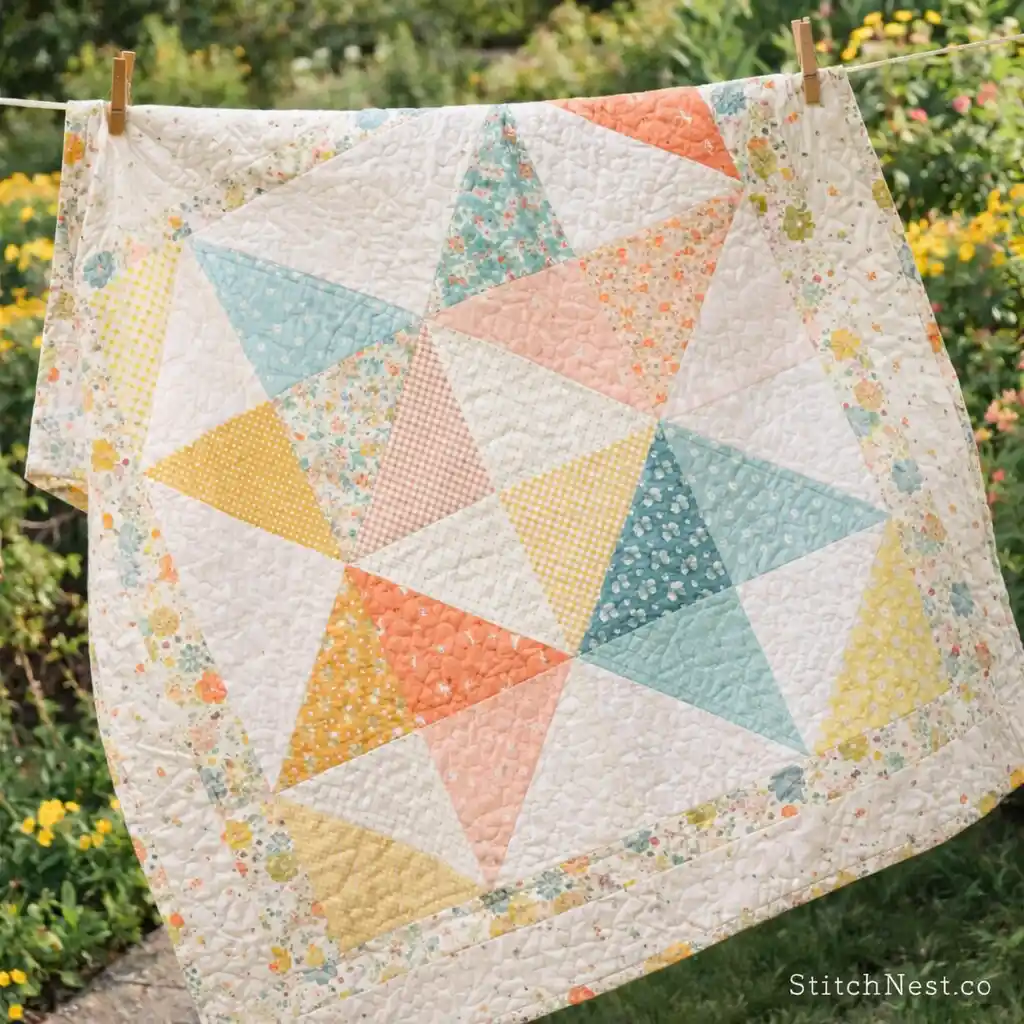
Skill level: Intermediate
Time required: 8 to 14 hours
Star quilts always feel special because the block shapes naturally draw the eye across the quilt top. In baby quilts, stars create a softer and more comforting look when paired with gentle color palettes and lighter background fabrics. Did you know points look much sharper when the seams are pressed carefully before trimming the blocks? Small details like that can completely change how polished the stars appear once assembled. Diary of a Quilter shares a beautiful free pattern that keeps the design elegant without making it intimidating.
9. Sweet Baby Quilt Pattern Free
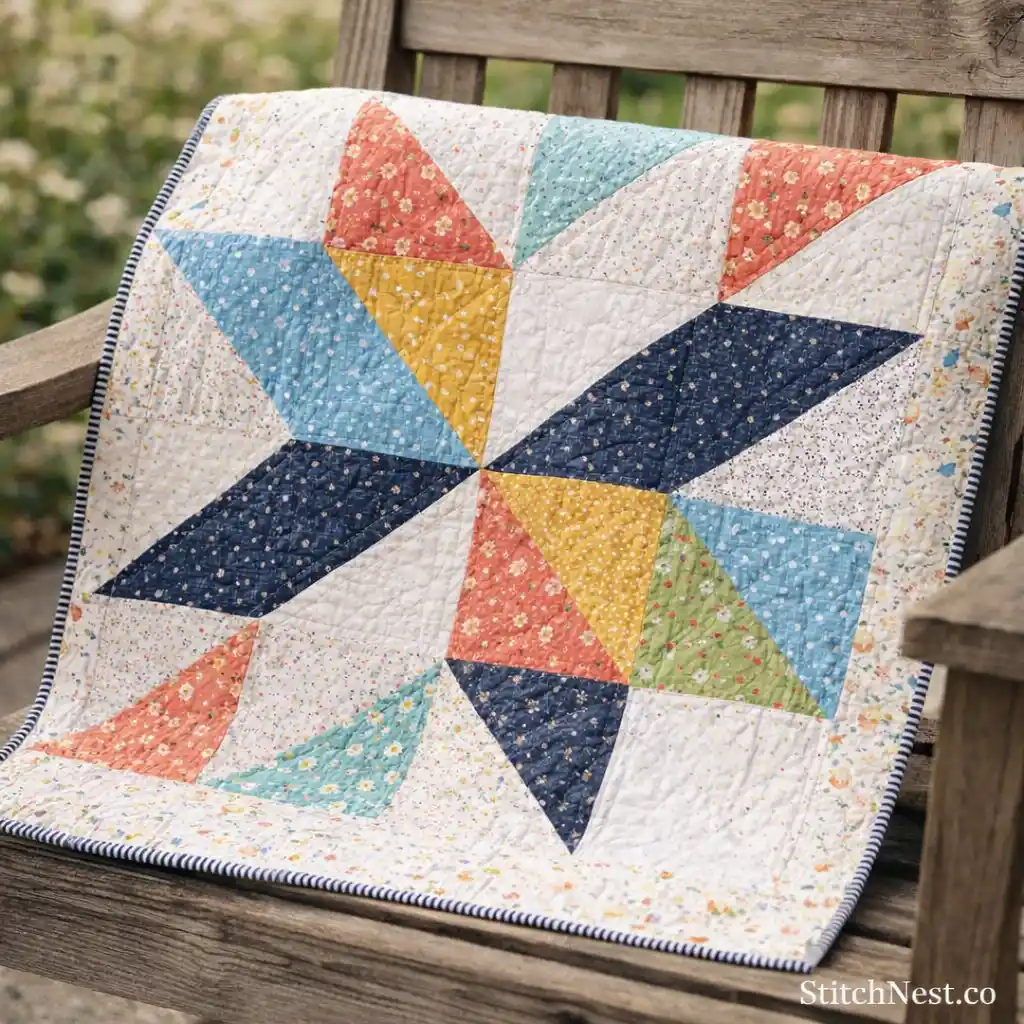
Skill level: Beginner to Intermediate
Time required: 6 to 10 hours
This pattern has a warm and cozy layout that feels ideal for everyday use around the house or nursery. The balanced block arrangement gives the quilt a softer, handmade look instead of feeling too rigid or formal. We usually find that using low-volume prints between brighter fabrics helps baby quilts feel calmer and more balanced visually. I See Stars Quilting has the DIY.
10. Free Baby Quilt Wildwood Pattern
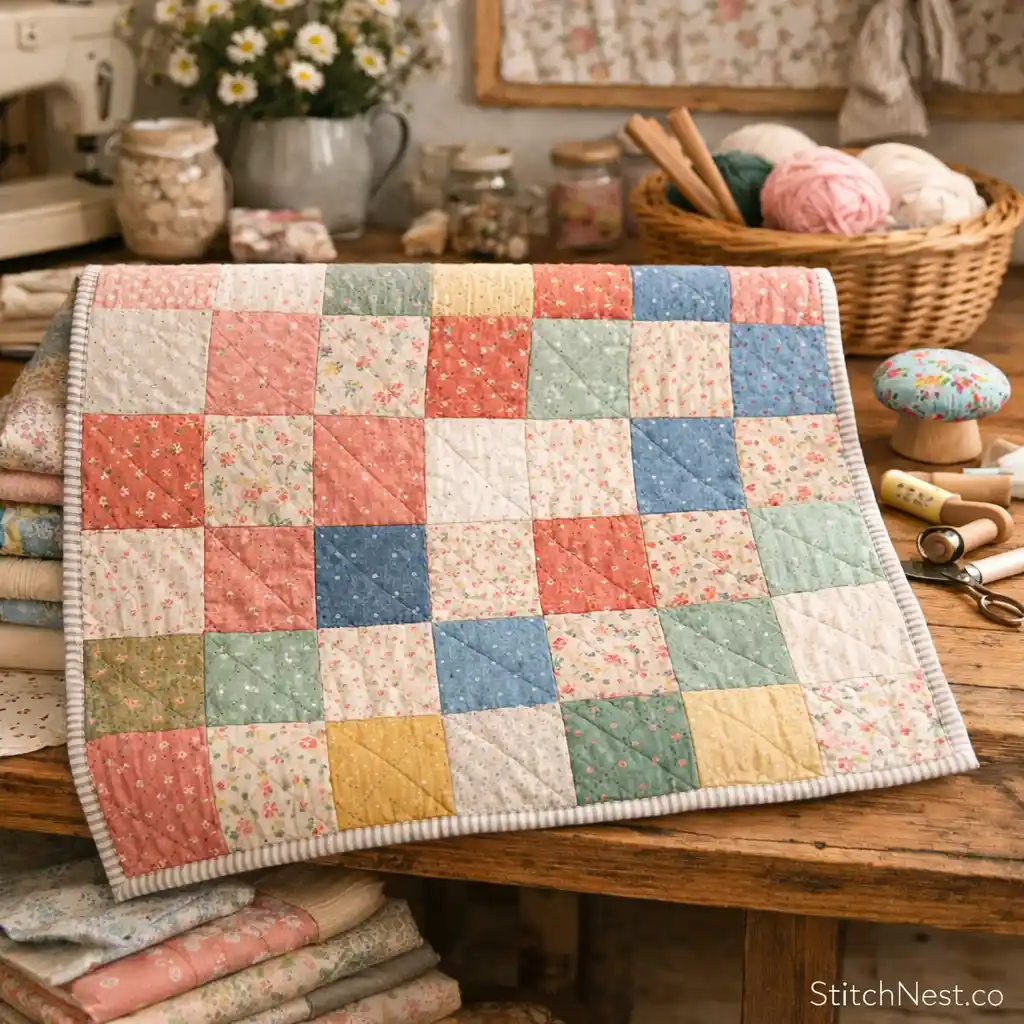
Skill level: Intermediate
Time required: 9 to 15 hours
Wildwood style quilts often have a softer woodland-inspired feel. The layered prints and repeated shapes create beautiful depth once the quilt top begins coming together. One helpful trick with busier prints is stepping back every so often during layout planning because fabrics can blend together differently from a distance. Bonjour Quilts shares a lovely tutorial that combines playful fabric placement with very clean construction.
11. Low Volume Baby Quilt Free Pattern
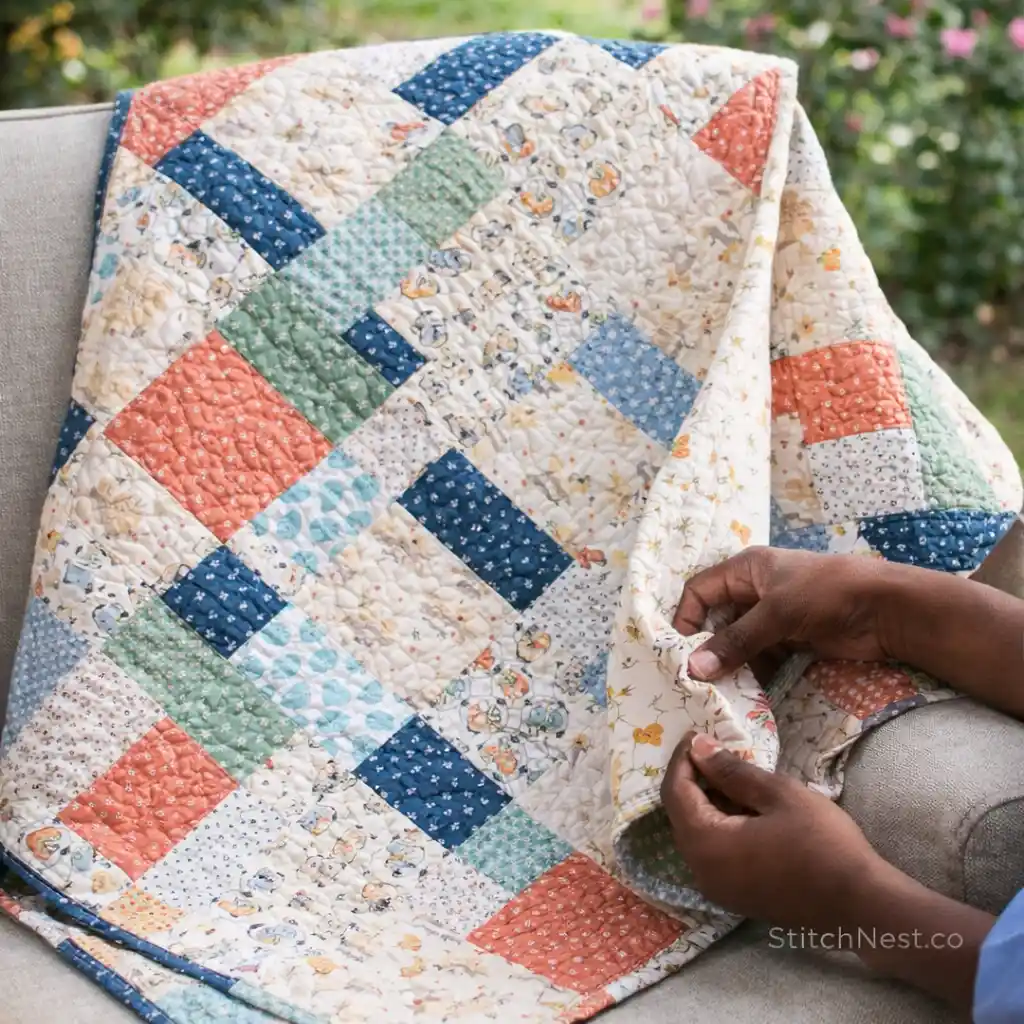
Skill level: Beginner to Intermediate
Time required: 7 to 12 hours
Low-volume quilts have a softer and more peaceful appearance because the fabrics rely on subtle prints and gentle contrast instead of bold color shifts. That lighter style works beautifully for baby quilts since the finished blanket feels calm, airy, and timeless. Here’s something many quilters notice after finishing low-volume projects. Texture becomes much more important when the colors stay soft, so quilting lines and fabric variation stand out beautifully. Quilting in the Rain explains the pattern.
Practical Tips for Better Baby Quilts
Baby quilts usually hold up best when the fabrics feel soft but are still durable enough for frequent washing. We often choose cotton fabric with a tighter weave because it stays smoother after repeated use and helps the quilt keep its shape longer. And hey, have you tried these cat quilts yet?
Pressing seams during every stage also matters more than many beginners expect because cleaner seams make the entire quilt top sit flatter during quilting. If you are sewing a baby quilt as a gift, slightly larger finished sizes often end up being more useful since babies outgrow smaller blankets surprisingly fast. Speaking of smaller quilting ideas, why don’t you try a quilted denim table runner?
Common Mistakes to Avoid
- Skipping seam pressing between rows and blocks
- Choosing batting that feels too thick or stiff for baby quilts
- Ignoring color balance during layout planning
- Rushing quilting lines near corners and seam intersections
Baby quilts are the kind of projects that stay meaningful long after the sewing is finished. Some patterns feel playful and colorful, while others lean soft and timeless, depending on the fabrics and block styles you choose. Here’s our lovely French roses quilting blog that’ll get you excited like a little kid!