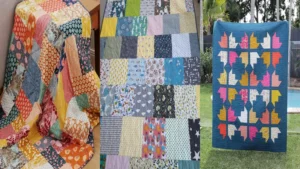
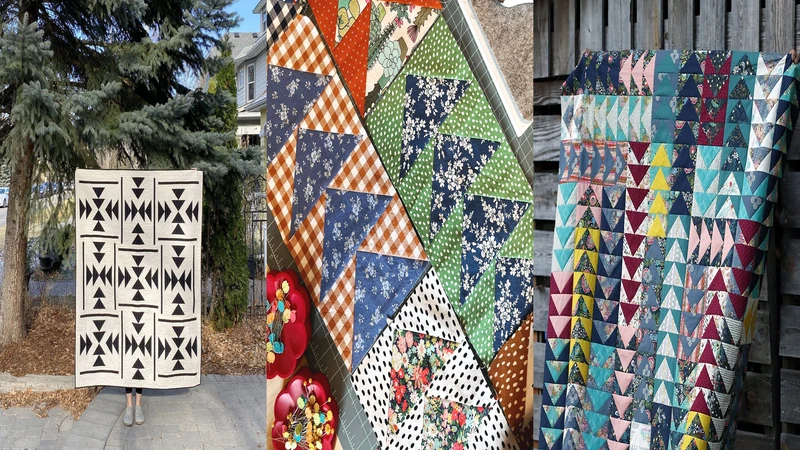
Flying Geese are one of those classic quilt blocks that give you plenty of design options without requiring a complicated construction process. You can sew them into neat rows, stack them into larger blocks, scatter them across a scrappy quilt, or use them as building pieces for stars and other traditional designs. The basic block is simple enough for a beginner, yet there is plenty here for you to keep learning as your piecing skills grow. In this collection, you’ll find free Flying Geese quilt patterns and block tutorials, including traditional piecing, faster four-at-a-time methods, no-waste construction, and full quilt layouts.
Things You’ll Need
- Rotary cutter with a self-healing cutting mat
- High-quality cotton fabric bundles
- Acrylic quilting rulers for precise shapes
- Sewing machine with quilting foot attachment
- Soft batting for a cozy finished feel
Free Flying Geese Quilt Patterns and Blocks
Looking for the pattern or tutorial? You’ll find the source link right below each image. Some featured projects are shared for inspiration, so not every image includes a step-by-step tutorial!
1. Easy Flying Geese Quilt Block Tutorial
Skill level: Beginner
Time to Make: 2 to 3 hours
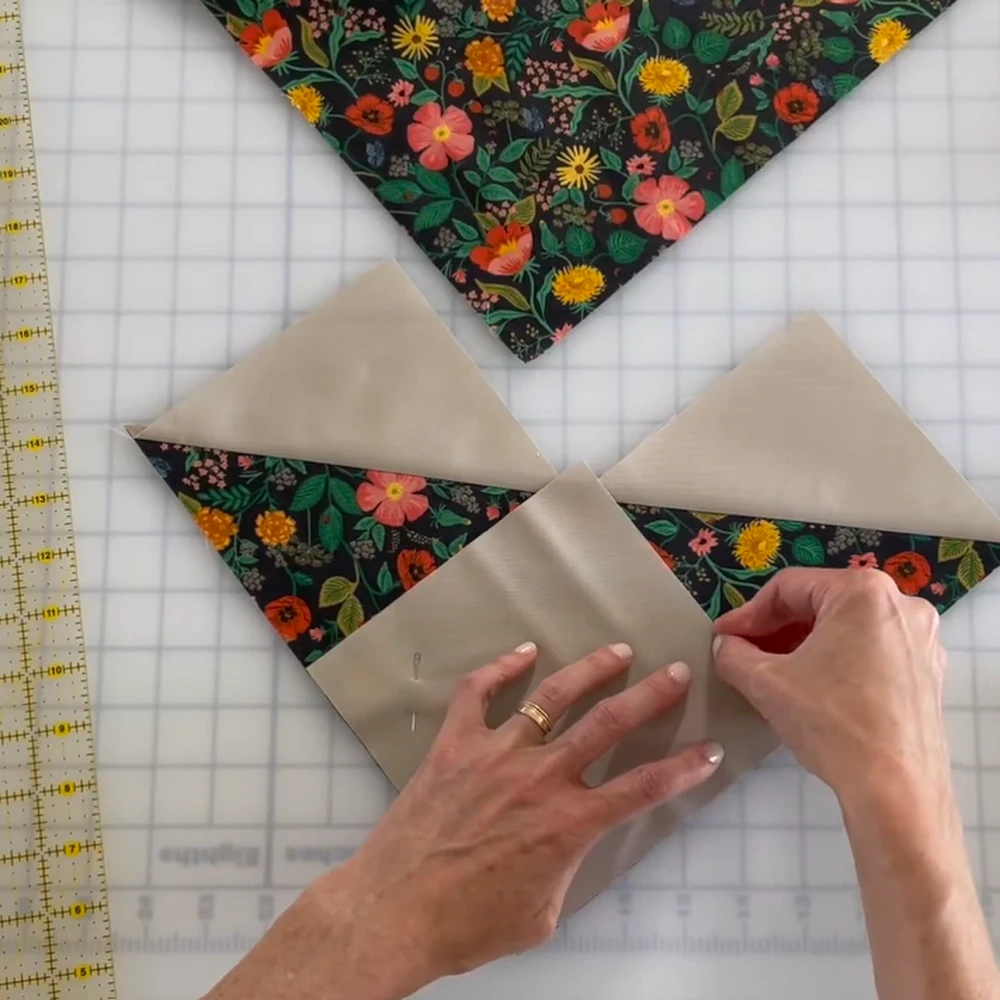
If you are sewing Flying Geese for the first time, this is a friendly place to begin. You’ll learn the basic construction method and see how the same little triangle unit can be used on its own or combined with other blocks. The tutorial also introduces the four-at-a-time method, so you can see how to speed things up once you feel comfortable with the basics.
Start with a small batch rather than cutting enough pieces for an entire quilt right away. That gives you a chance to check your measurements, pressing direction, and points before committing to a larger project. Once you have the rhythm down, you can put those blocks toward a larger design or try other beginner-friendly projects such as these quick quilt in a day patterns.
2. Four At A Time Flying Geese Quilt Block Tutorial
Skill level: Beginner
Time to Make: 2 to 3 hours
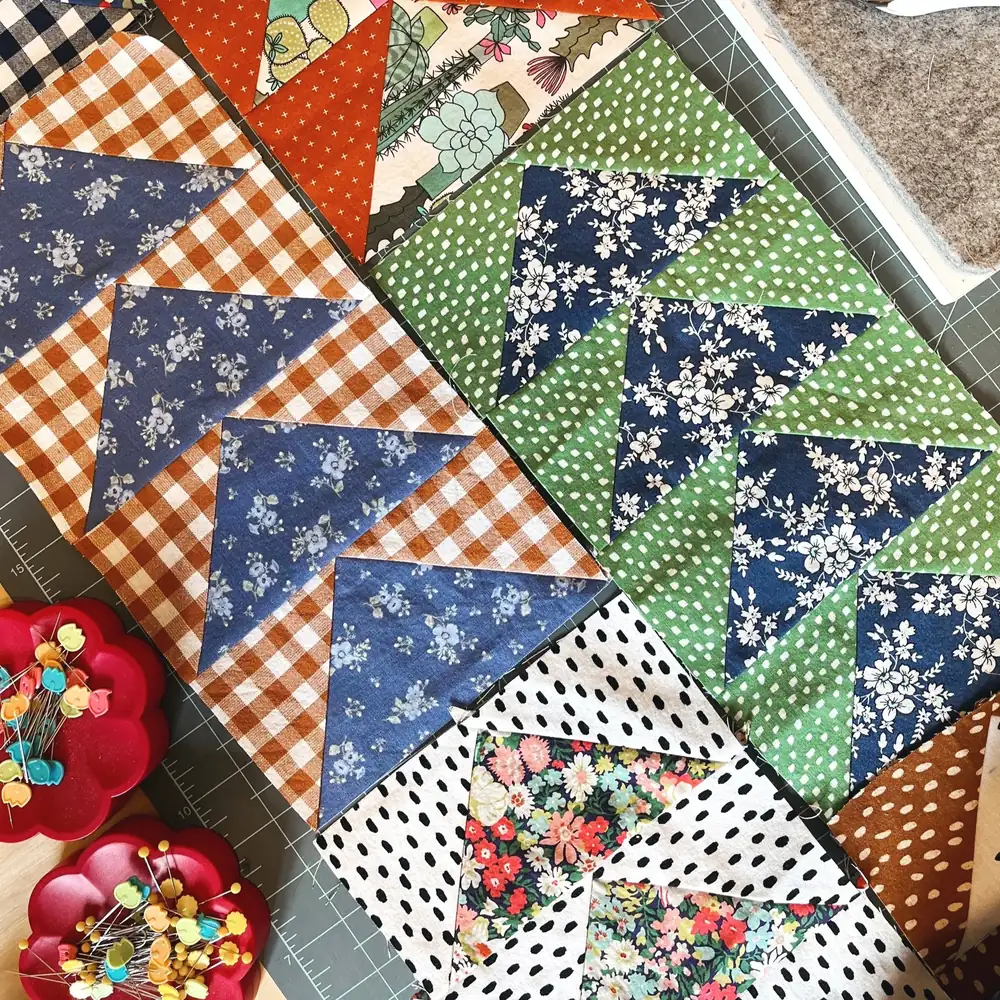
The four-at-a-time method is a great option when you need a whole flock of Flying Geese for one quilt. Instead of constructing each goose individually, you work with a group of pieces and produce four units from the same set of cuts. It can save you a lot of repetitive sewing once your measurements are dialed in.
You’ll also get useful guidance on choosing fabrics for a scrappy arrangement. Keeping a controlled color palette can make a quilt feel intentional even when you are pulling fabrics from several different collections. If you like making the most of your fabric stash, you can find more ideas in these free temperature quilt patterns.
For repeated piecing like this, a sharp rotary cutter can make a noticeable difference in your cutting accuracy. A Fiskars Rotary Cutter is a practical addition to your cutting setup when you are preparing several batches of Flying Geese.
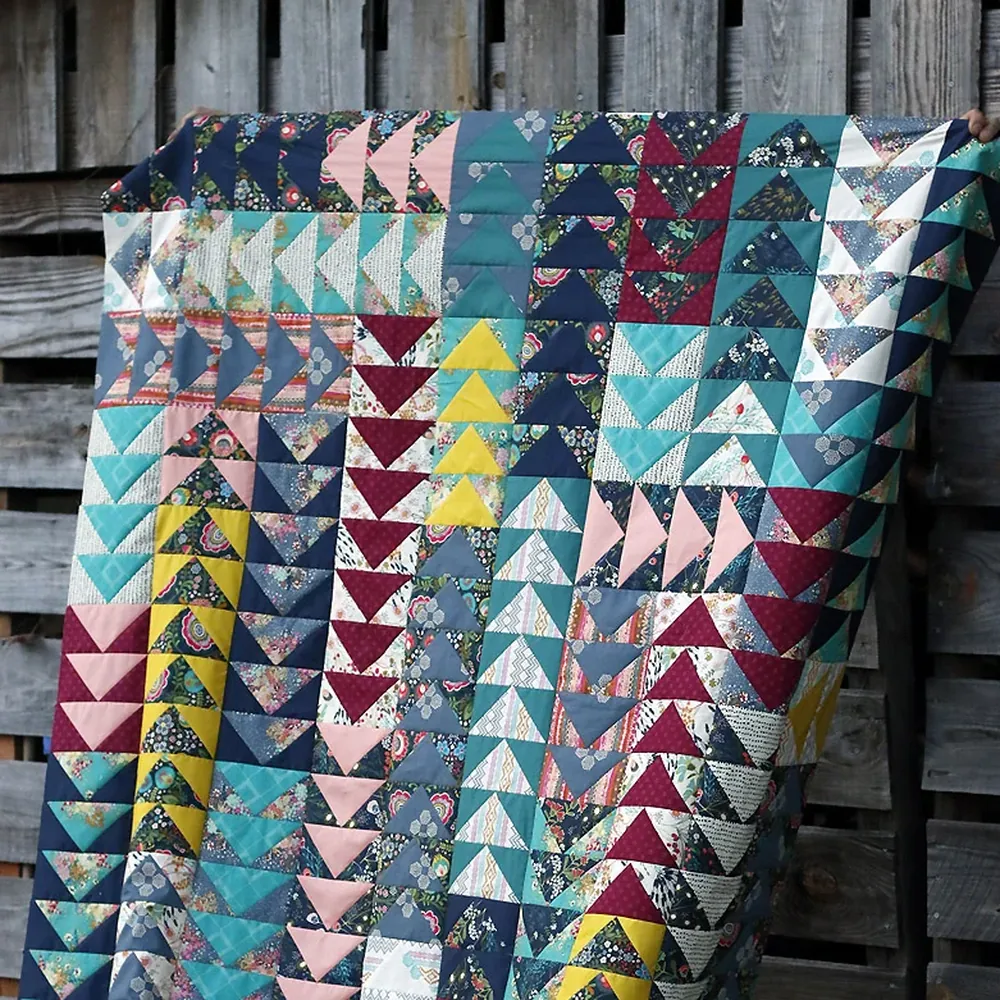
3. Flying Geese Quilt Pattern Free
Skill level: Beginner
Time to Make: 4 to 6 hours
This project takes the basic Flying Geese block and turns it into an entire quilt top with a relaxed, scrappy feel. The designer worked with combinations of fabrics as they went, then arranged the completed geese on a design wall to decide what worked best. That approach is especially useful if you enjoy making decisions as your quilt develops rather than following a rigid fabric placement plan.
You can also play with direction here. Keeping the geese pointed the same way gives you a strong sense of movement, but changing the orientation in selected areas can create a completely different rhythm. For another way to work with repeated geometric units, take a look at these easy three yard quilt patterns.
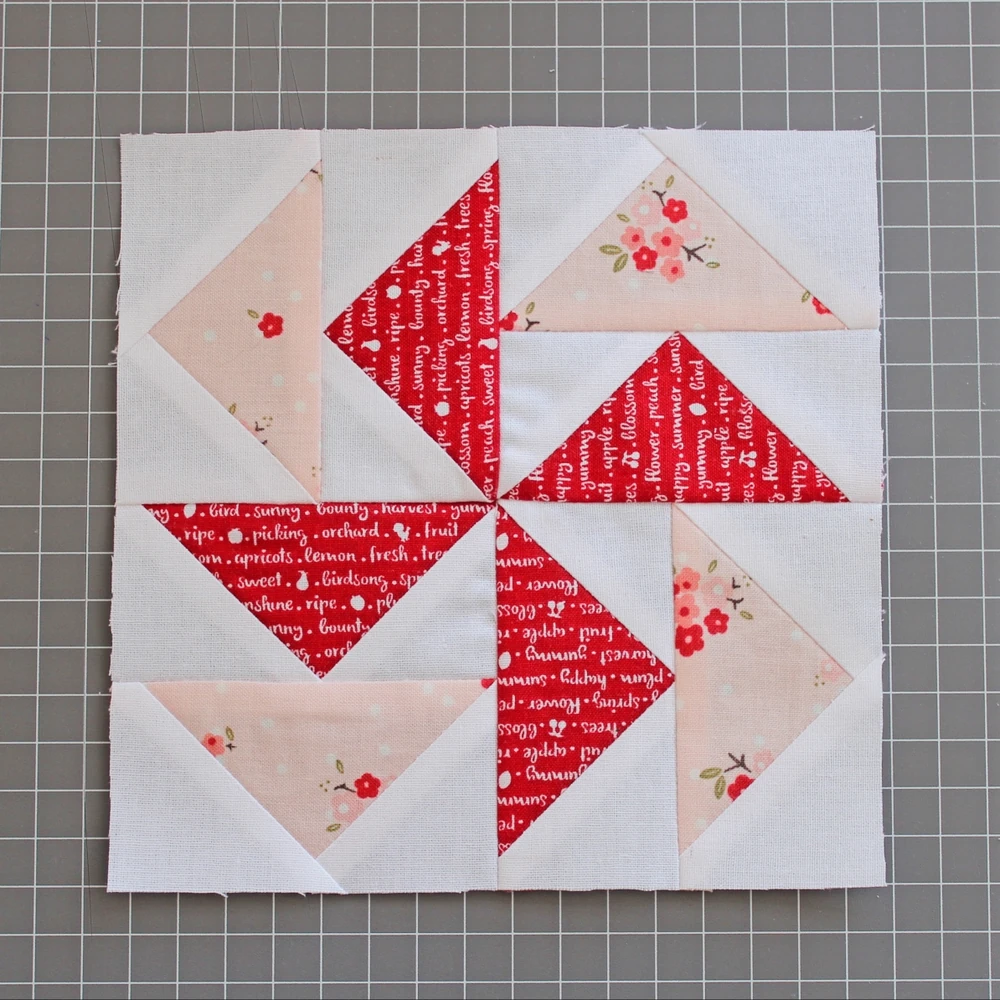
4. Flying Geese Quilt Tutorial and Pattern Free
Skill level: Beginner
Time to Make: 3 to 4 hours
This tutorial gives you a more traditional route into Flying Geese and shows how the block can be arranged in several different ways. You can keep things simple with rows of geese, build larger formations, or use the units as part of a more complex block. It is a useful project if you want to understand the block itself before committing to a full-size quilt.
The tutorial is also part of a larger Flying Geese series, making it handy if you want to see how the block behaves in different settings. If you like classic blocks that can be rearranged into several layouts, you might also enjoy these free Christmas quilt patterns, many of which use familiar geometric shapes in fresh arrangements.
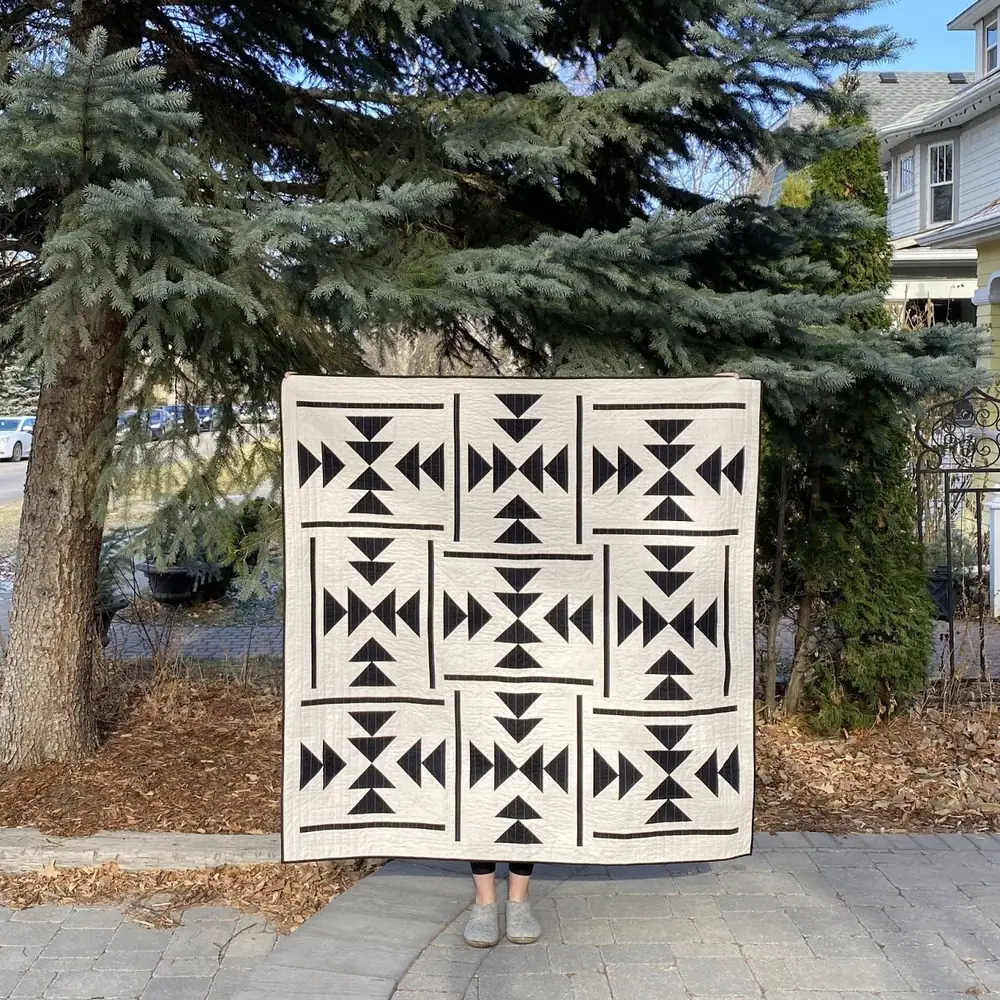
5. How To Sew No Waste Flying Geese Quilt
Skill level: Beginner
Time to Make: 2 to 3 hours
If wasting tiny triangles bothers you, give this method a try. The no waste technique lets you make four Flying Geese from a specific combination of squares without tossing the corner pieces that are left behind with some traditional methods. It is especially handy when you need a large number of matching units.
The key is accuracy at the cutting and sewing stages. Your measurements determine the finished size of all four geese, so take the time to mark and sew carefully rather than trying to make up for an inaccurate cut later. For more scrap conscious quilting ideas, these easy scrap quilting projects are worth keeping nearby.
If you enjoy quilts built from repeating geometric shapes, you may also like these beautiful Chandelier quilt designs for another look at how simple units can create a larger pattern.
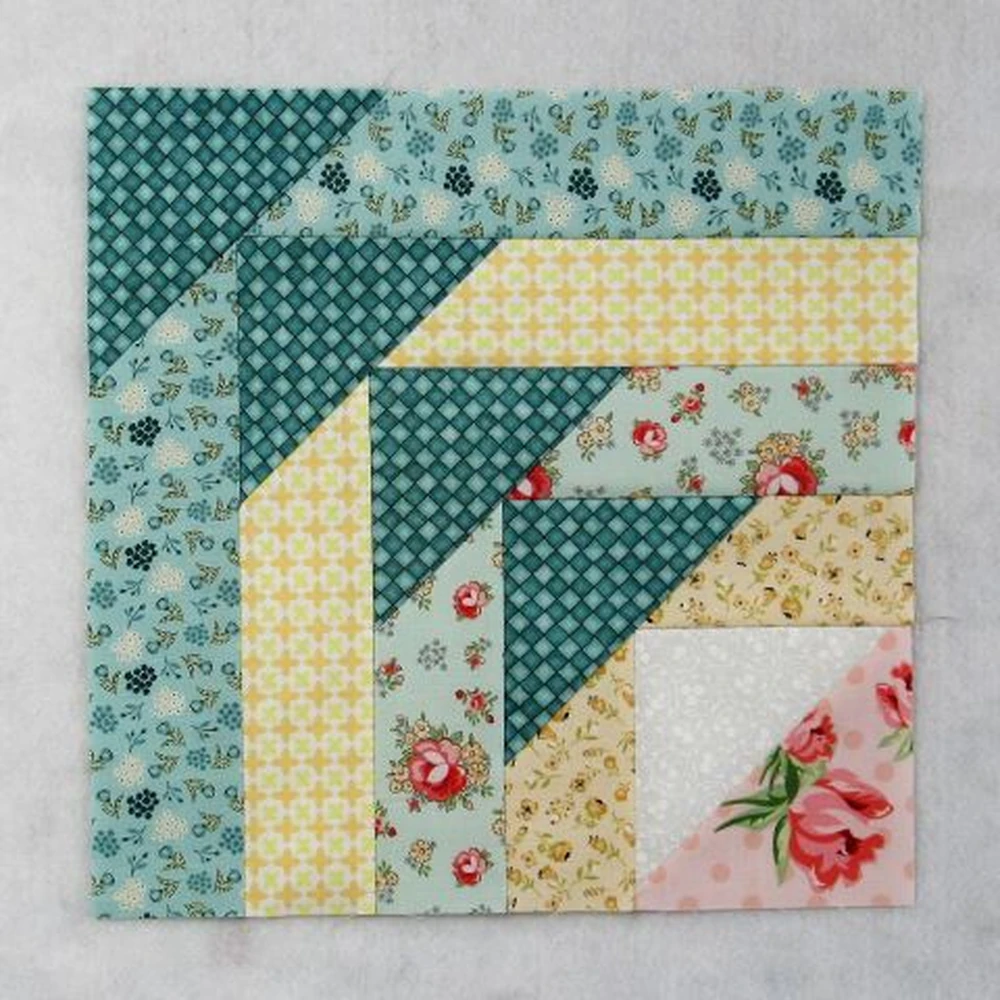
6. Free Tutorial for the Easy Chicago Geese Quilt Block
Skill level: Beginner to Intermediate
Time to Make: 2 to 4 hours
The Chicago Geese block gives the familiar Flying Geese shape a different setting by combining it with half square triangle and strip elements. The result is a 12 inch finished block with plenty of room for playing with color. You can make it with a restrained two- or three-color palette, or add several shades for a more layered look.
This is a good choice when you want to move beyond sewing individual geese and start thinking about how they interact with other units. The tutorial also shows several layout possibilities, including rotated blocks and on-point arrangements. If you like quilts built around strong geometric movement, these Japanese inspired Sashiko quilt patterns offer another direction for your next project.
For a block with this many seams, accurate trimming is worth the extra minute or two. A quilt backing fabric is not needed until later in the project, but having your larger fabric pieces planned ahead can make the transition from block making to quilt assembly much smoother.
7. Easy Flying Geese Quilt Pattern Tutorial
Skill level: Beginner
Time to Make: 5 to 7 hours
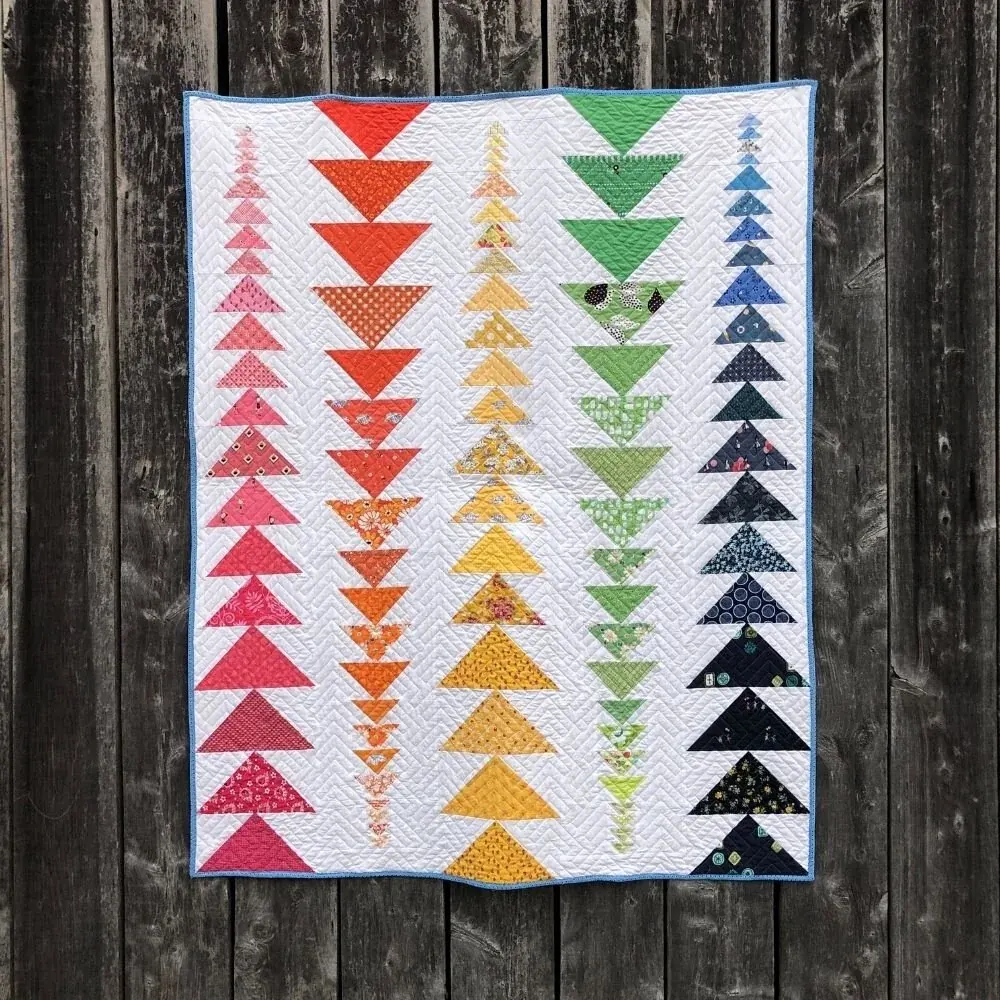
This modern Flying Geese design gives you more freedom with both size and fabric placement. The pattern uses Flying Geese in five sizes and offers different construction options, including a scrappy version and a no-waste approach. That makes it particularly useful if you want to learn more than one way of making the block.
You can also use different fabrics to create a gradual shift in color or value across the quilt. A light-to-dark arrangement can make the geese appear to move through the quilt, whereas a scrappy palette gives you a more relaxed look. If you enjoy this kind of controlled movement, these free patchwork quilted bag patterns can give you another way to use similar piecing ideas on a smaller project.
8. Flying Geese Quilt Sew Along for Beginners
Skill level: Beginner
Time to Make: 6 to 8 hours
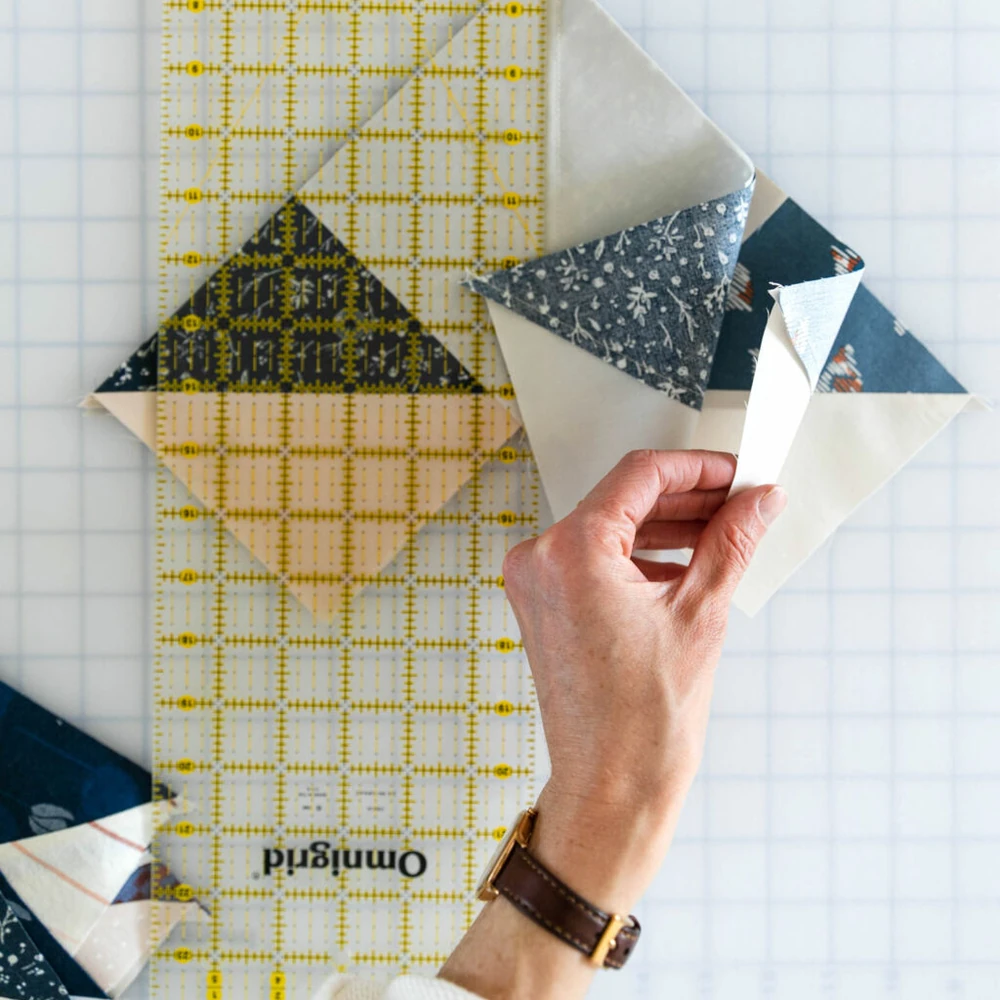
If you prefer having a little structure as you sew, this Flying Geese sew along is a helpful option. The project breaks the work into manageable stages, including fabric selection, cutting, sewing the Flying Geese units, assembling the blocks, and finishing the quilt top. You can follow the original schedule or simply work through the lessons at your own pace.
The Flying Geese section includes guidance for sewing and trimming the units, plus a separate variation for quilters working with Layer Cake squares. That makes this a useful reference even if you are not making the complete Starling quilt. For another seasonal project with a step by step format, you can also check out this quilted Christmas village advent calendar.
If you are making lots of Flying Geese, a good sewing machine can make long piecing sessions much easier on your hands and shoulders. The Janome Memory Craft sewing machine is one option to consider if you want a machine suited to detailed quilting work.
Tips for Getting Cleaner Flying Geese Points
The first few Flying Geese you sew should be treated as practice pieces, not failures if they are slightly off. Sew a small sample, measure it, and check the center point before cutting the rest of your fabric. Once you know how your machine, seam allowance, and pressing technique behave together, you can repeat the process with much more confidence.
Pay close attention to trimming. The point of a Flying Goose can look perfect before trimming and then lose some of its shape if you remove too much fabric. Use the finished measurements in your chosen tutorial as your reference rather than relying only on how the unit looks.
Press with purpose. You do not need to flatten every seam aggressively; gentle, consistent pressing is usually enough to keep the units flat without distorting the bias edges. If you are building your quilting setup, these quilting tools for beginners can help you identify the basics worth having close at hand.
Common Flying Geese Problems and How to Avoid Them
One of the most common problems is ending up with geese that are slightly different sizes. This usually starts with inconsistent cutting or a seam allowance that changes from one unit to the next. Before sewing a large batch, make two or three test units and measure them after trimming.
Another issue is losing the sharp point at the top of the goose. If your point keeps getting chopped off, check your seam placement before changing the entire method. A tiny adjustment can make a big difference, especially with smaller Flying Geese.
Be careful when handling bias edges. Some Flying Geese methods leave you with edges that can stretch more easily than straight grain pieces. Avoid pulling the fabric as you sew or press, and let the feed dogs move the fabric through the machine at their own pace.
Finally, do not judge your fabric combinations only from the cutting table. Lay several finished geese next to each other and step back. A fabric that looked perfect as a fat quarter may disappear against the background once it becomes a small triangle. If you want more ideas for using strong directional movement in your quilting, browse these free Bargello quilt patterns for inspiration.
Start with the tutorial that matches your current skill level, make a few practice units, and let accuracy come before speed. Once your points are behaving, you’ll have a reliable quilt block that can become anything from a small table runner to a full size quilt.