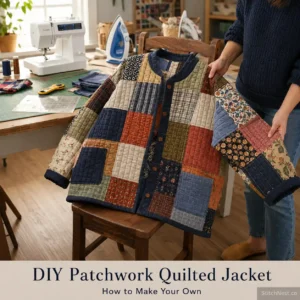
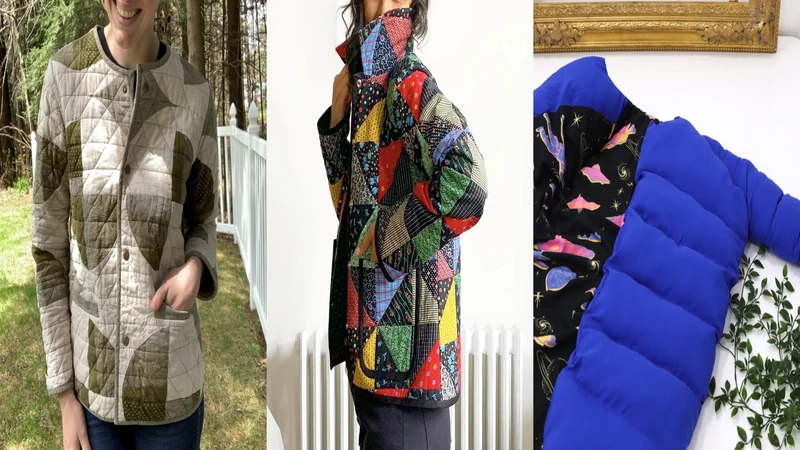
Quilted puff jacket patterns give you a great way to sew something practical for cooler weather without settling for a plain coat. You can work with ready-made quilted fabric, build your own quilted panels, or turn scraps and vintage fabric into a jacket with plenty of character. These patterns also give you room to play with lining, pockets, collars, closures, and quilting designs.
Things You’ll Need
- High-quality cotton fabric bundles
- Acrylic quilting rulers for precise shapes
- Sewing machine with quilting foot attachment
- Soft batting for a cozy finished feel
Quilted Puff Jackets to Sew This Season
Looking for the pattern or tutorial? You’ll find the source link right below each image. Some featured projects are shared for inspiration, so not every image includes a step-by-step tutorial!
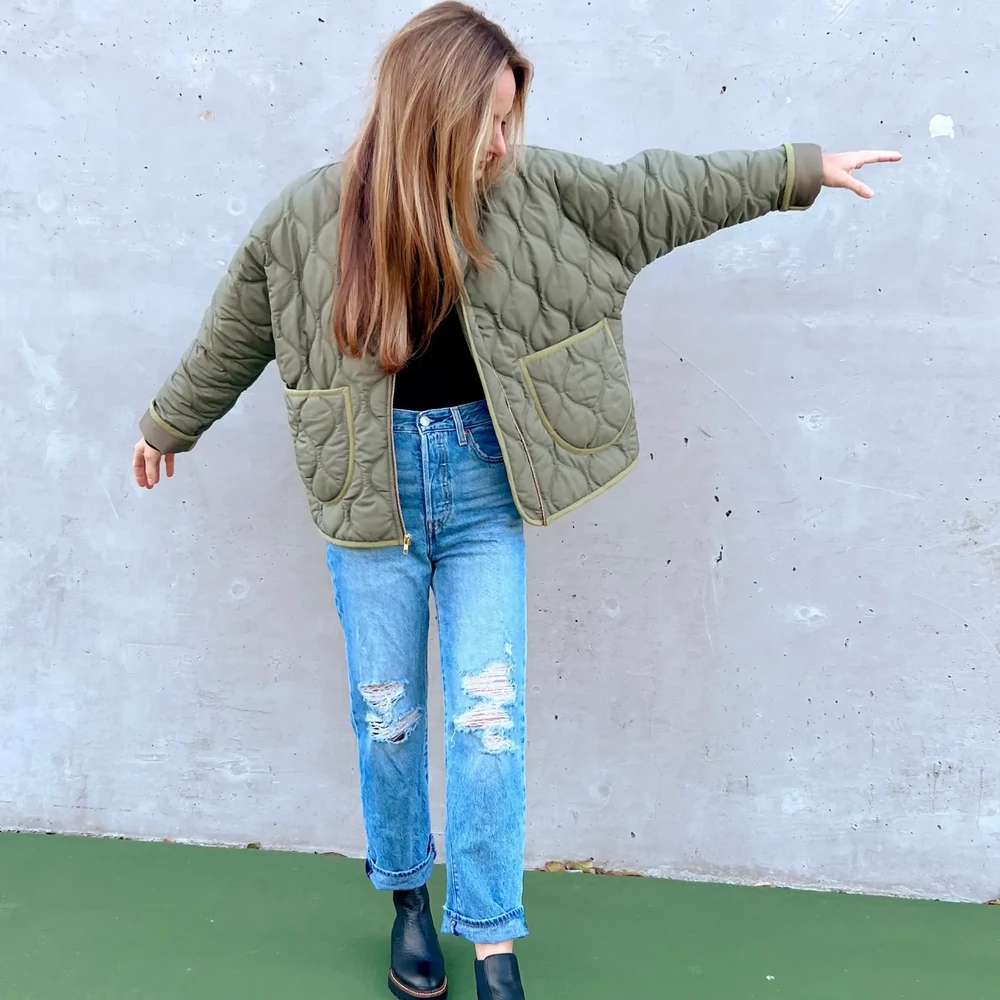
1. Quilted Puffer Jacket Free Tutorial
Skill Level: Intermediate
Time to Make: About 5 to 7 hours
You can make this jacket with pre-quilted fabric, which cuts out much of the quilting work and lets you focus on construction. The Grace Jacket used in this project has a roomy fit, patch pockets, a collar, a zipper, and an elasticated back waistband that gives the finished jacket some shape.
You will want to check the fit before finishing the underarm seams because thicker quilted fabric changes how the jacket sits on your body. Bias tape works well for finishing the bulky seams, and these quilting tools for beginners can help you keep the preparation and finishing stages organized.
2. Quilted Puffer Coat With Free Pattern
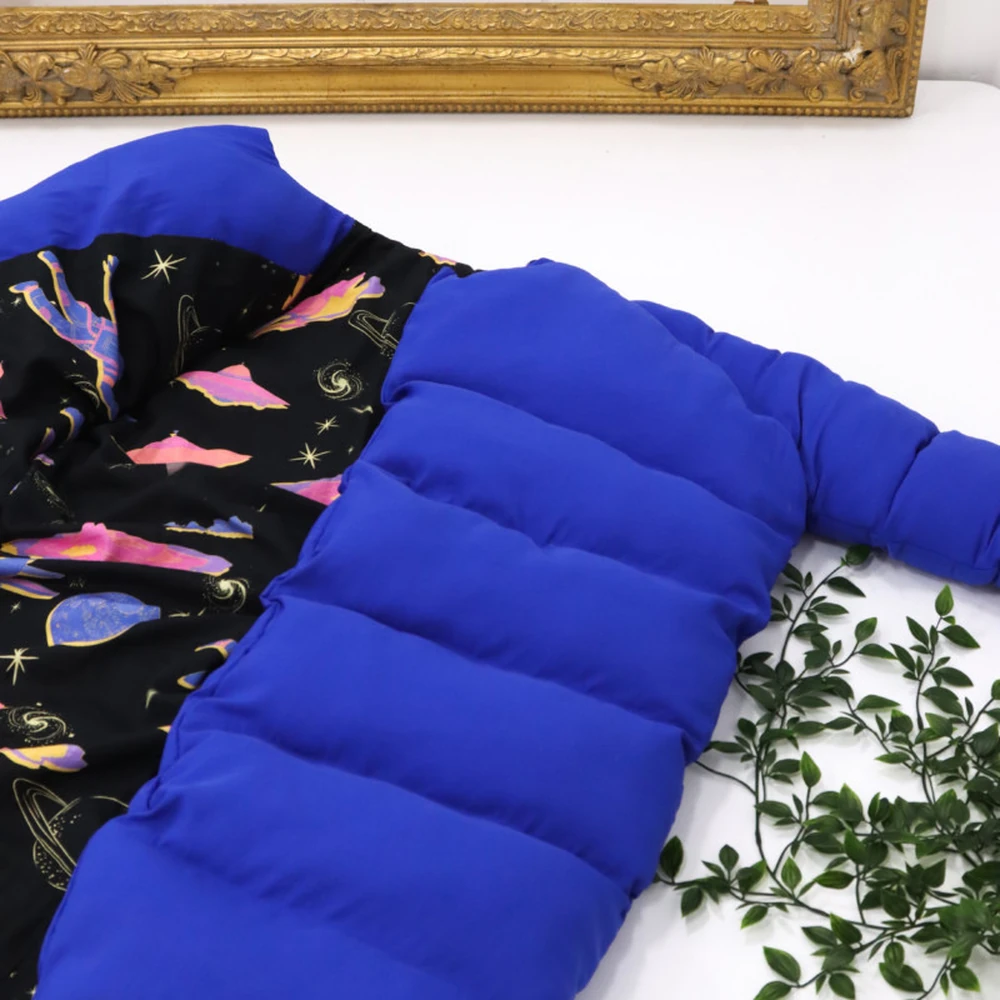
Skill Level: Intermediate
Time to Make: About 8 to 10 hours
You get more of a traditional puffer construction here, with quilted channels created by sewing the outer fabric to a muslin interlining before adding loose poly fill. This approach lets you control the width of each channel instead of relying on ready-made quilted fabric.
You will want to work methodically because each panel needs to be quilted before the coat is assembled. A wool pressing mat is useful when you need crisp seams on thick layers, and these modern block quilt ideas can give you ideas for changing the quilting layout.
3. Quilted Patchwork Puffer Jacket
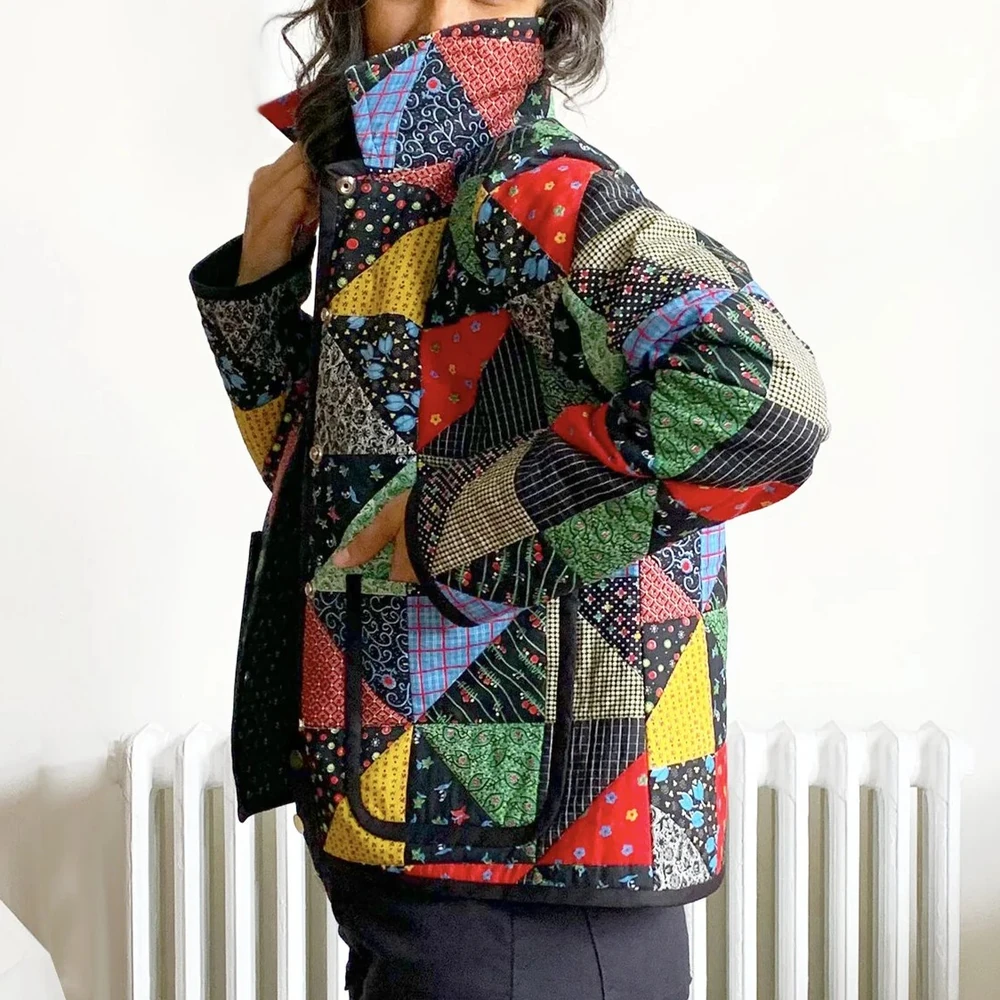
Skill Level: Intermediate
Time to Make: About 8 to 12 hours
You can use this approach when you have vintage quilt fabric, cheater quilt cloth, or yardage that deserves to become something you can wear. Instead of piecing every section from scratch, you can let an existing quilted or printed fabric provide the visual work and concentrate on getting the jacket construction right. You should also try these quilted vests!
You will want to think carefully about the fabric width before cutting your pattern pieces because limited yardage affects how you place the sleeves and body. The project also shows why reducing seam bulk matters, especially around the armholes. These scrap quilting projects are useful if you want to build your own patchwork fabric first.
4. Quilted Puff Jacket for Toddlers
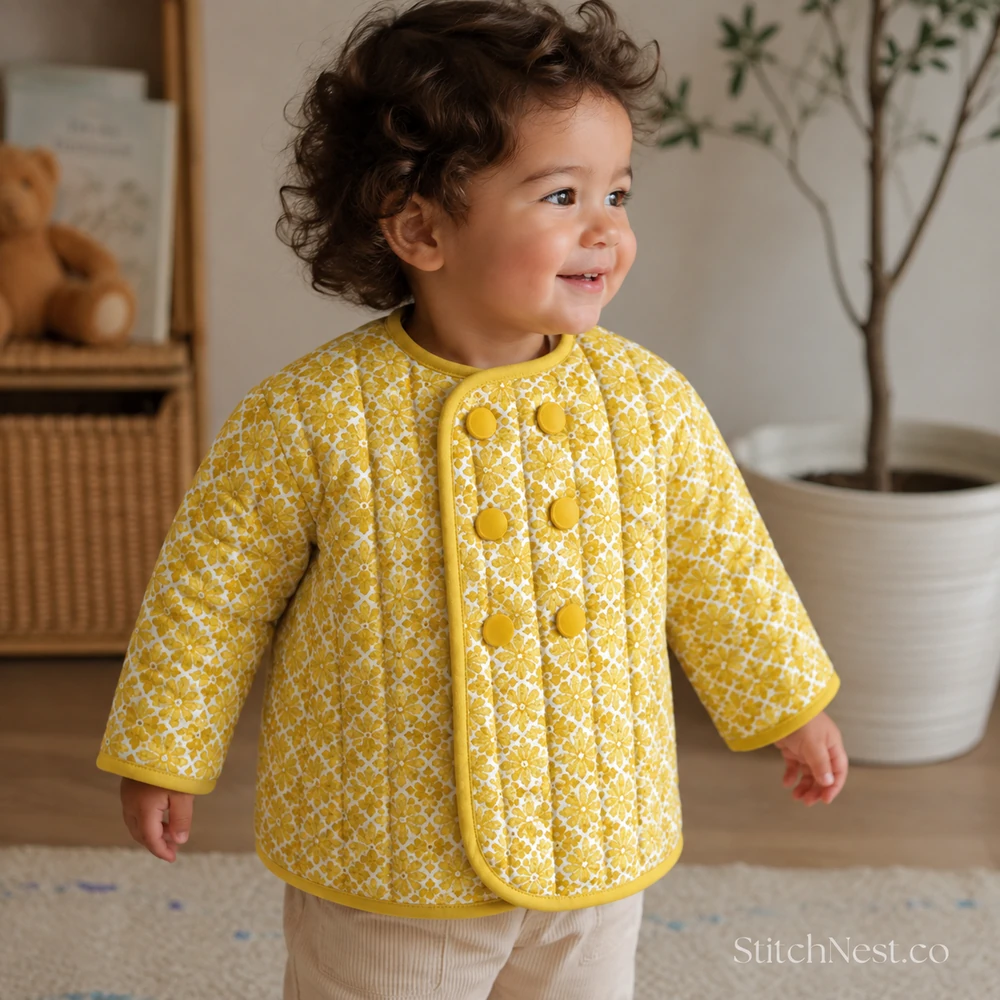
Skill Level: Beginner
Time to Make: About 3 to 4 hours
You can make a smaller quilted jacket for a toddler without taking on the fabric requirements of an adult coat. Smaller pattern pieces also make this a good project for using leftover quilted fabric, especially if you have enough yardage for the body but not a full-size jacket.
You will want to keep the construction comfortable for a child, so soft lining fabric and smooth seam finishes matter. If you have scraps left after cutting the jacket, these mini quilt wall hangings offer a good way to use smaller quilted pieces rather than putting them back in the scrap bin.
5. Reversible Quilted Puffer Jacket
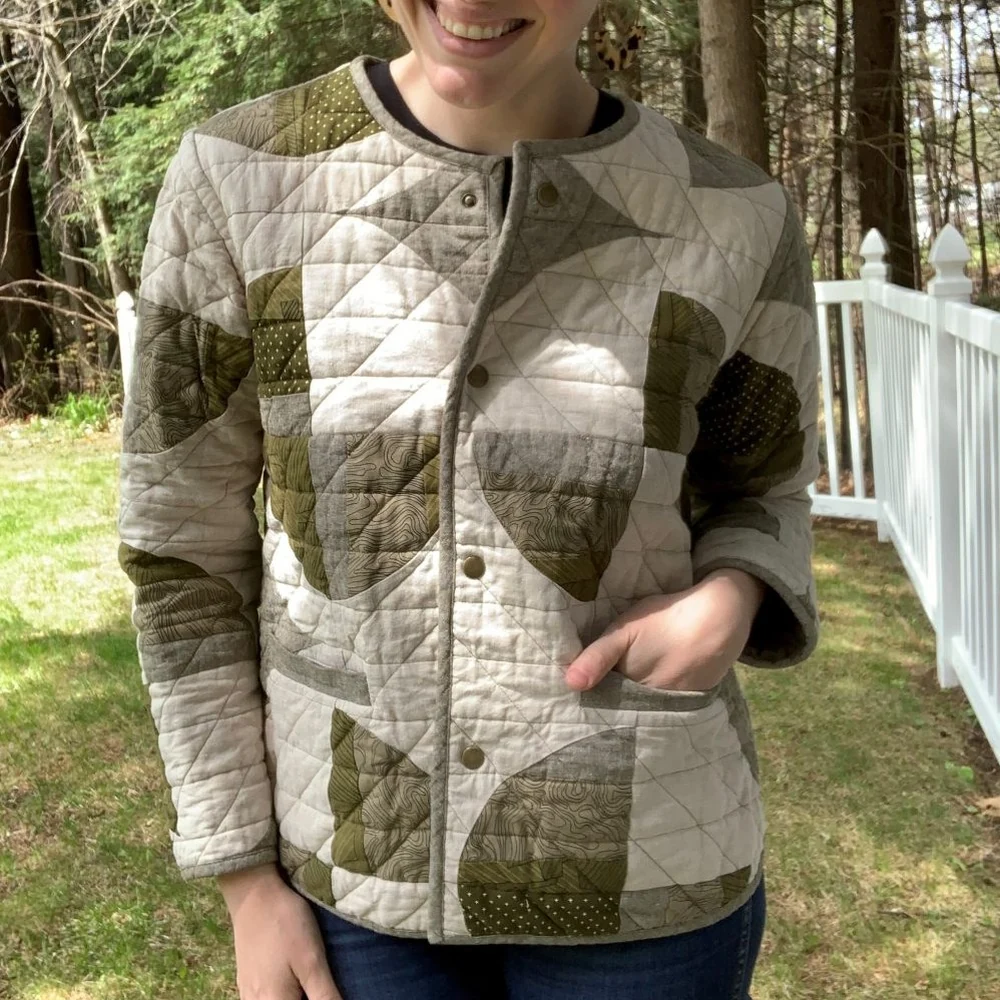
Skill Level: Intermediate
Time to Make: About 6 to 8 hours
You get two looks from one jacket with this reversible construction, which makes the extra planning worthwhile. The key is keeping the layers organized from the start because both sides need to look finished and the seams must sit neatly inside the garment. Don’t forget to check out these quilted housecoats!
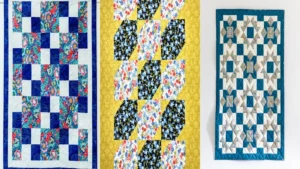
You will want to mark the pieces clearly before sewing so you do not accidentally join the wrong layers. A quilting design stencil can also help you plan a repeatable quilting pattern on your fabric before assembly. For another way to use two-sided quilted construction, these quilted table runners offer useful ideas for working with finished quilted panels.
6. Sammy Puffer Jacket
Skill Level: Intermediate
Time to Make: About 6 to 8 hours
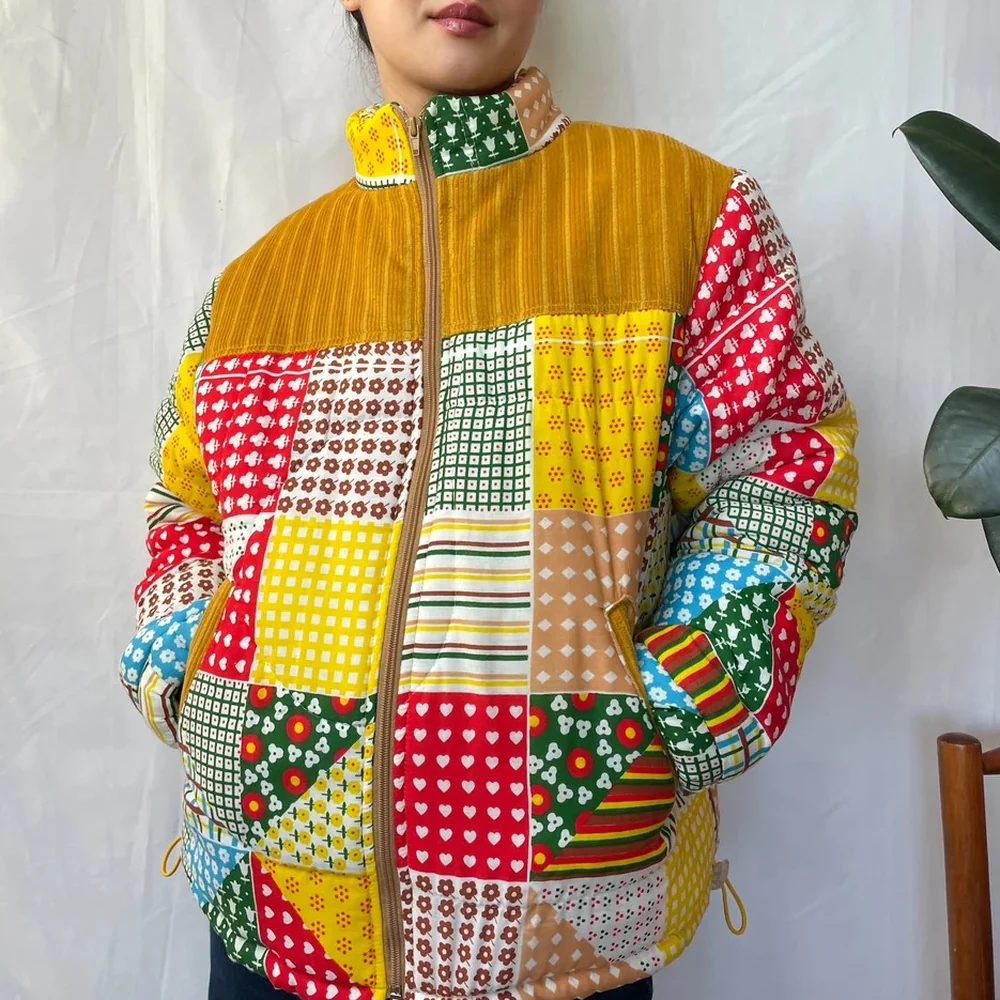
You can use this puffer jacket pattern as a starting point when you want a more structured garment with a contemporary shape. It works well for choosing your own outer fabric, lining, quilting design, and finishing details instead of being limited to one specific fabric combination.
You will get better results if you make a quick test version before cutting expensive outerwear fabric. That lets you check sleeve length, body ease, and the way your chosen batting affects the fit. If you enjoy working with smaller seasonal pieces, these Halloween sewing projects can also give you ideas for using leftover fabrics.
7. DIY Quilted Puffer Jacket
Skill Level: Intermediate
Time to Make: About 6 to 8 hours
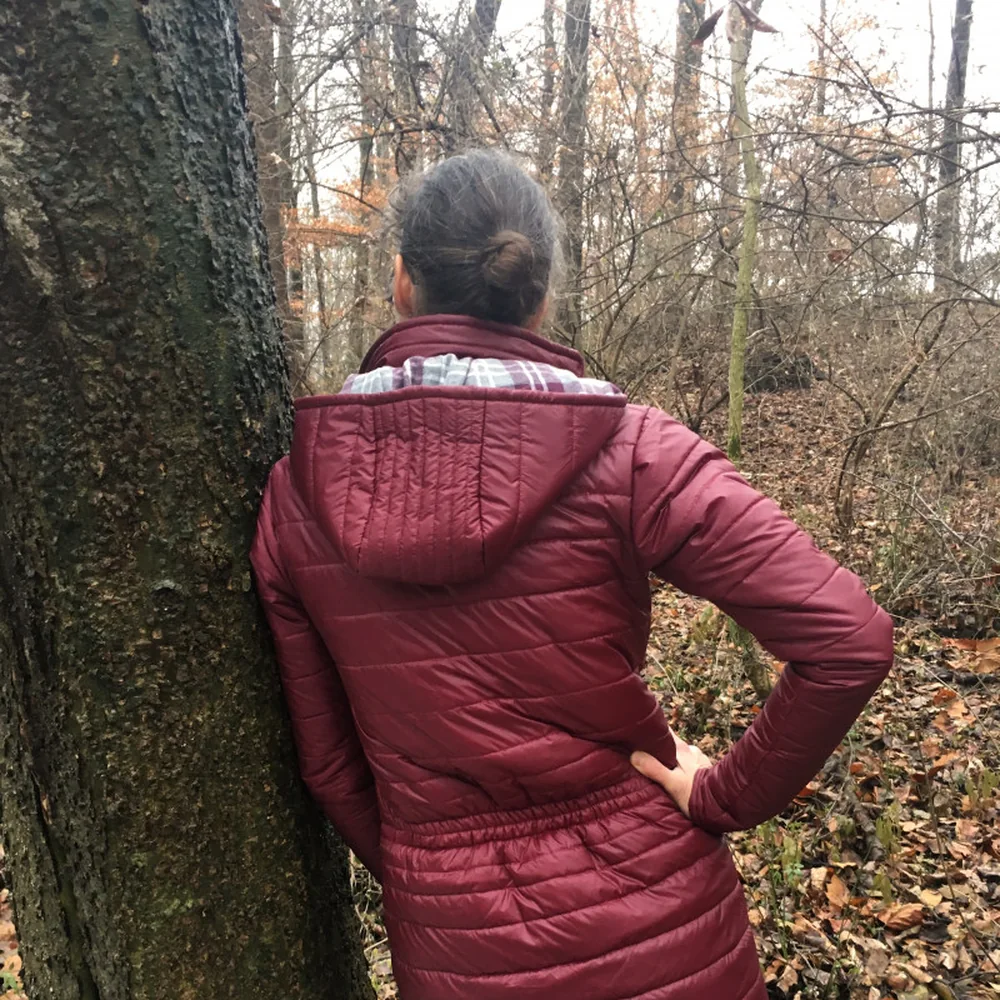
You can use this project when you want to build a puffer jacket from your own fabric choices instead of starting with pre-quilted yardage. That gives you control over the channel width, quilting lines, color combination, and amount of loft in the finished jacket.
You will want to keep the quilting consistent across the panels so the finished garment does not look uneven when worn. An OLFA self healing cutting mat makes repeated cutting easier when you are preparing a large number of pieces. If you have lots of tiny fabric leftovers, these crumb quilting patterns can help you use them before they become another unfinished pile.
Tips for Sewing a Better Puffer Jacket
Start by deciding how much loft you actually want. More filling does not automatically make a better jacket because excessive bulk makes seams harder to sew and can change the fit. Test your outer fabric, lining, batting, and quilting distance together before cutting the full garment. A Cricut Maker can also help if you want to cut repeated fabric shapes accurately for a patchwork version.
Keep your cutting and sewing area organized from the beginning. Puffer jackets involve many large pieces, and keeping fronts, backs, sleeves, facings, and lining pieces clearly separated saves you from having to stop and identify everything later. An Omnigrid quilting ruler is useful for checking long straight measurements and marking consistent quilting lines.
Tighter quilting gives the filling more stability, but it also creates more stitched lines and can make the fabric feel firmer. If you want a softer jacket, give yourself more space between quilting lines and choose a suitable lightweight filling. These flower quilt patterns can give you ideas for decorative quilting motifs if you want something beyond simple channels.
Common Mistakes to Avoid
Do not cut your jacket pieces before testing the quilting. Your fabric can change size after quilting, especially if you are working with batting or loose filling. Quilt a small sample first, measure it before and after stitching, and use that change to judge how much extra fabric you need for the final pieces. Same goes for these quilted hoodies!
Avoid letting bulky seams pile up in the same place. Armholes, collars, cuffs, pockets, and zipper areas already contain several layers, so adding unnecessary seam allowances makes them harder to sew and less comfortable to wear. An AccuQuilt GO Big cutter can be useful for preparing repeated patchwork pieces if you are building your own quilted outer fabric.
Do not skip a fitting check just because the jacket looks roomy. Make a test garment or baste major seams first, then check the fit before you commit to final seam finishes. These French rose quilt ideas are also worth checking if you want to turn a floral quilt design into a future jacket panel.
Once you have your jacket fabric and quilting plan sorted, you can start thinking about the next quilted project for your sewing room. Keep the ideas coming with these patchwork rug ideas for another practical project.