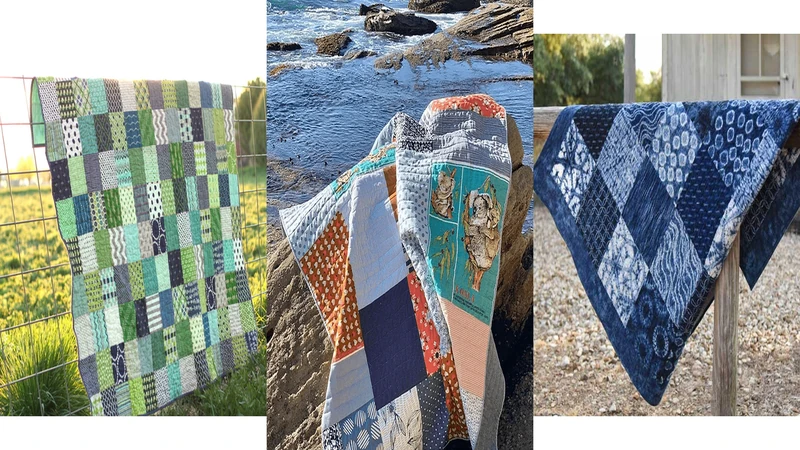
Every patchwork quilt begins with the same small act of bravery, cutting perfectly good fabric into pieces on purpose. It feels a little wrong the first time, and then you sew those pieces back together and something lovely happens. We have lovely patchwork quilt projects for beginners, so pour yourself something warm, and let’s find the one that makes you want to start tonight.
Patchwork Quilt Ideas to Start With
Looking for the pattern or tutorial? You’ll find the source link right below each image. Some featured projects are shared for inspiration, so not every image includes a step-by-step tutorial!
1. How to Make an Easy Patchwork Quilt
Skill Level: Beginner
Time to Make: About 8 hours
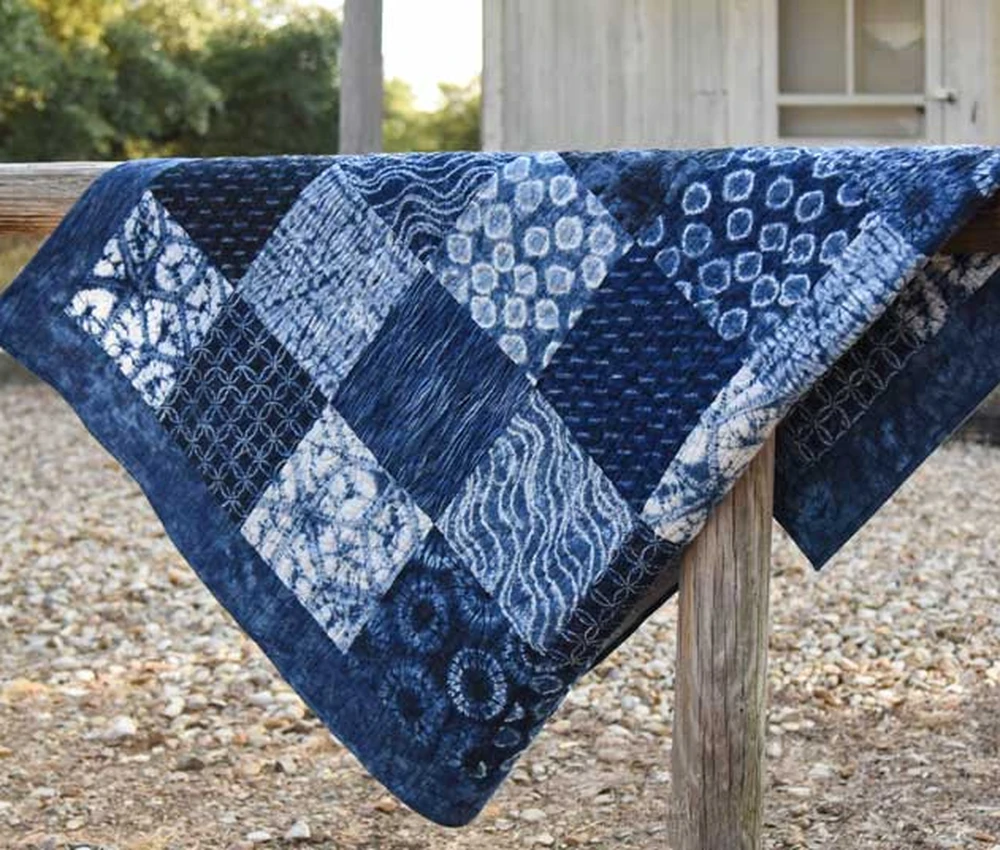
Think of this as the full tour of how a quilt comes together, from cutting squares to sewing rows and finishing the edges. That makes it a wonderful first project, because once you have seen every step, nothing about quilting feels mysterious again.
Here’s what we recommend doing as you sew. Press each seam before you add the next piece, since a flat seam lines up with its neighbor far more easily than one you meant to get to later. Those few seconds at the iron are what separate a neat top from a wobbly one.
2. Simple Patchwork Quilt Pattern
Skill Level: Beginner
Time to Make: About 6 hours
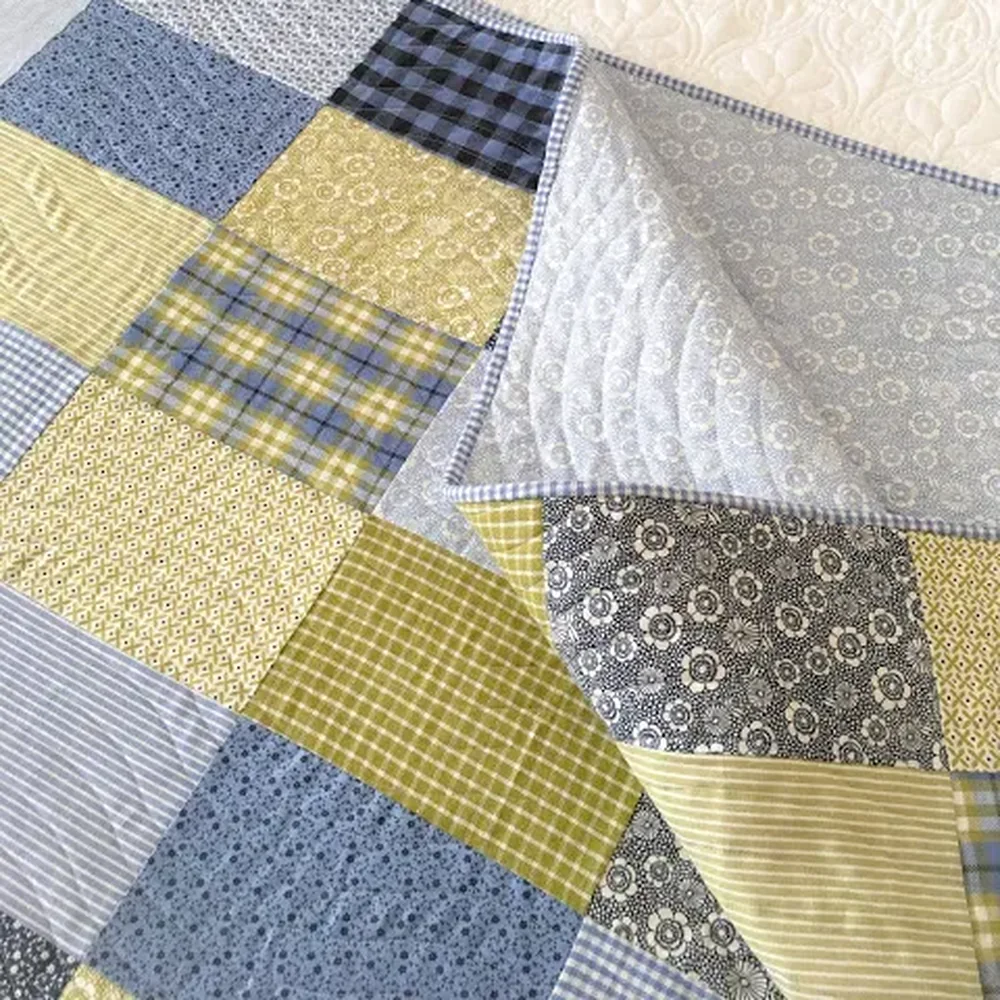
Simple patterns trust your fabric to do the talking, and that leaves you free to concentrate on sewing straight, even seams. Because the design stays plain, it also asks for very little yardage, the same kind of thrifty thinking behind low yardage quilt patterns.
Sew a scant quarter inch, which is just a thread or two narrower than a full quarter inch, and your finished blocks will land at the size the pattern promises. Most beginners wonder why their squares come out a little small, and this tiny adjustment is usually the answer.
3. Patchwork Quilt for Beginners
Skill Level: Beginner
Time to Make: About 10 hours
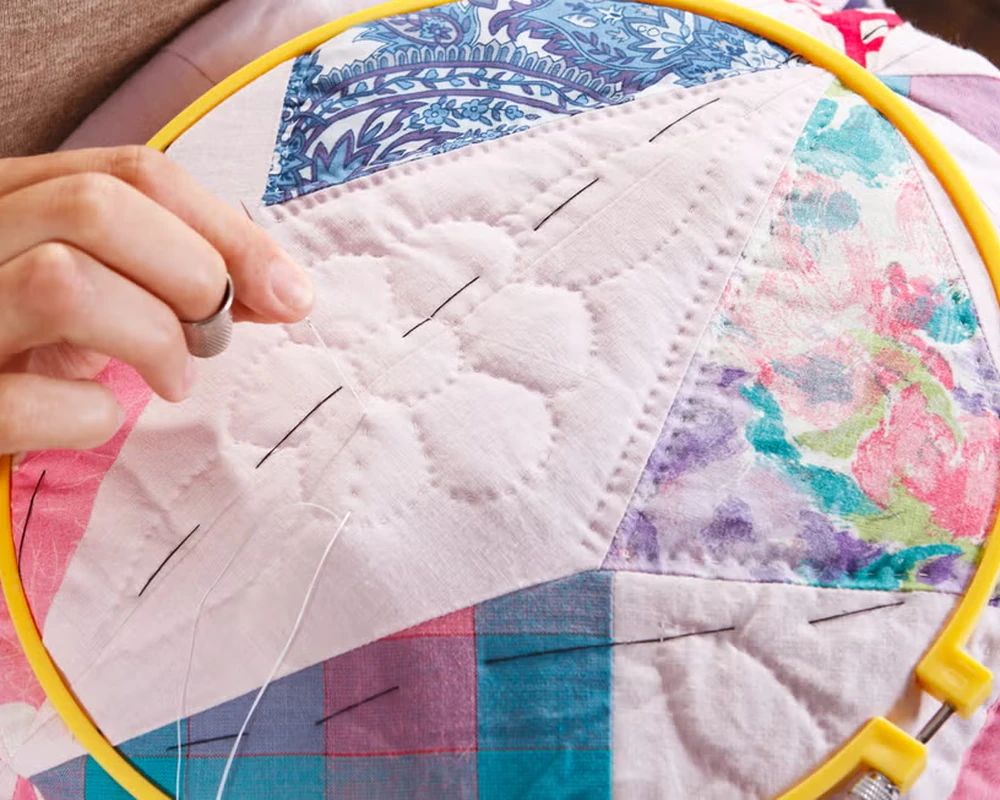
Sometimes a pattern is built purely around getting you to the finish line with a smile, and this one aims for exactly that. Keep your pieces generous and your layout plain, and you will be surprised how quickly a top appears.
If you love the feeling of finishing fast, these quilt in a day patterns share the same speedy spirit. Chain piecing helps too, which simply means feeding pairs of squares through the machine one after another without snipping the thread between them.
4. Green and Blue Patchwork Quilt DIY
Skill Level: Beginner
Time to Make: About 7 hours
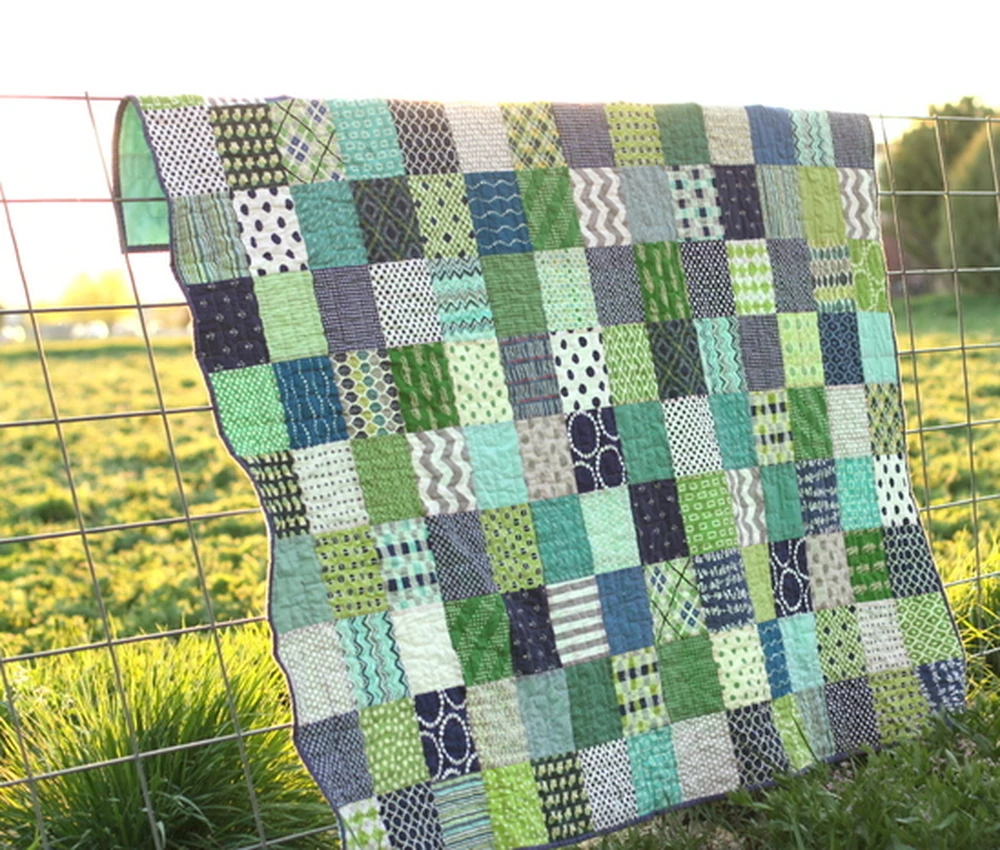
Choosing a color story before you shop is one of the nicest shortcuts in quilting, because it narrows a thousand fabrics down to a handful. Cool shades that sit near each other on the color wheel are especially friendly, since they blend without much effort.
What really makes a limited palette sparkle is variety in lightness, so mix lighter and darker pieces instead of choosing everything at the same depth. To see how far a small palette can travel, two color quilt patterns are a great place to explore.
5. Making Big Patch Quilts
Skill Level: Beginner
Time to Make: About 5 hours
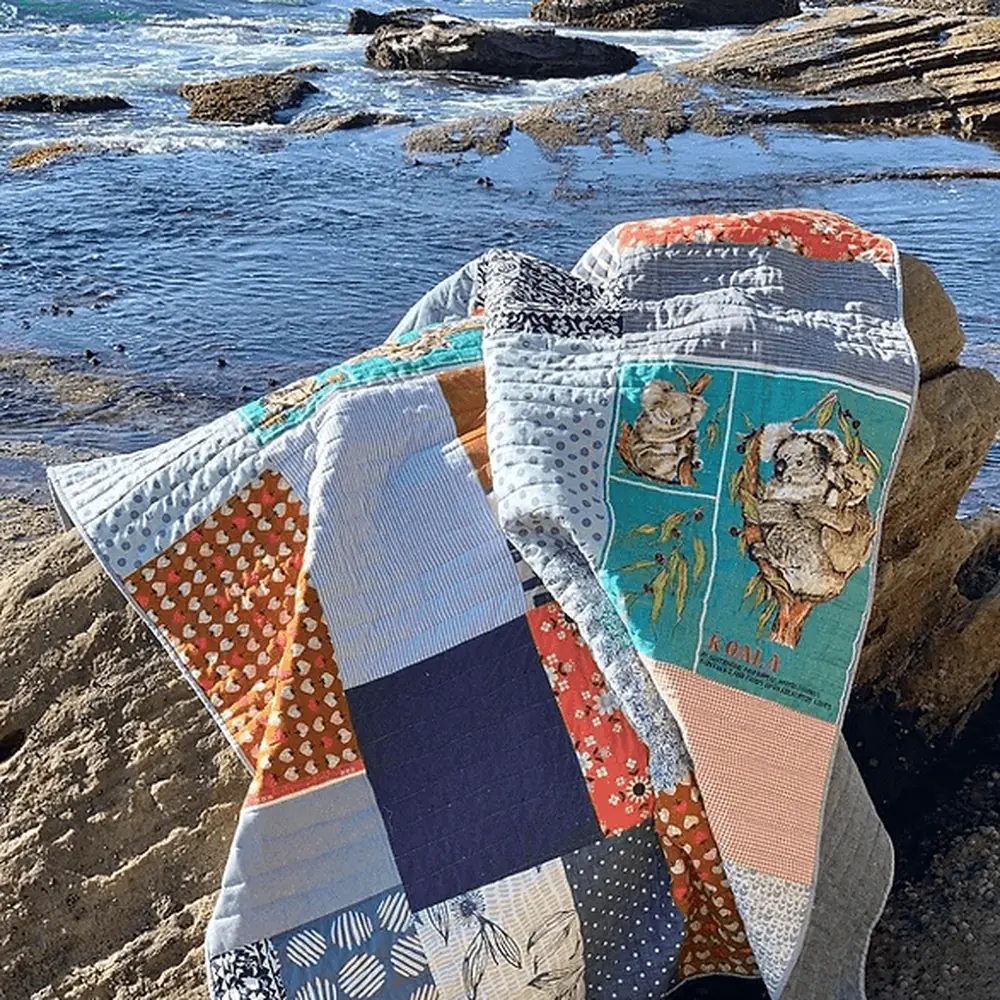
Bigger patches mean fewer seams, and fewer seams mean fewer chances for anything to drift out of line. That is why oversized pieces are such a smart choice when you are brand new. They also pair well with precuts, and a stack of ten inch squares practically sews itself into a top.
Cut your pieces all at once if you can, then stack them by size so you are never hunting through a pile halfway through a seam.
6. Patchwork Hearts Quilt Tutorial
Skill Level: Confident beginner
Time to Make: About 12 hours
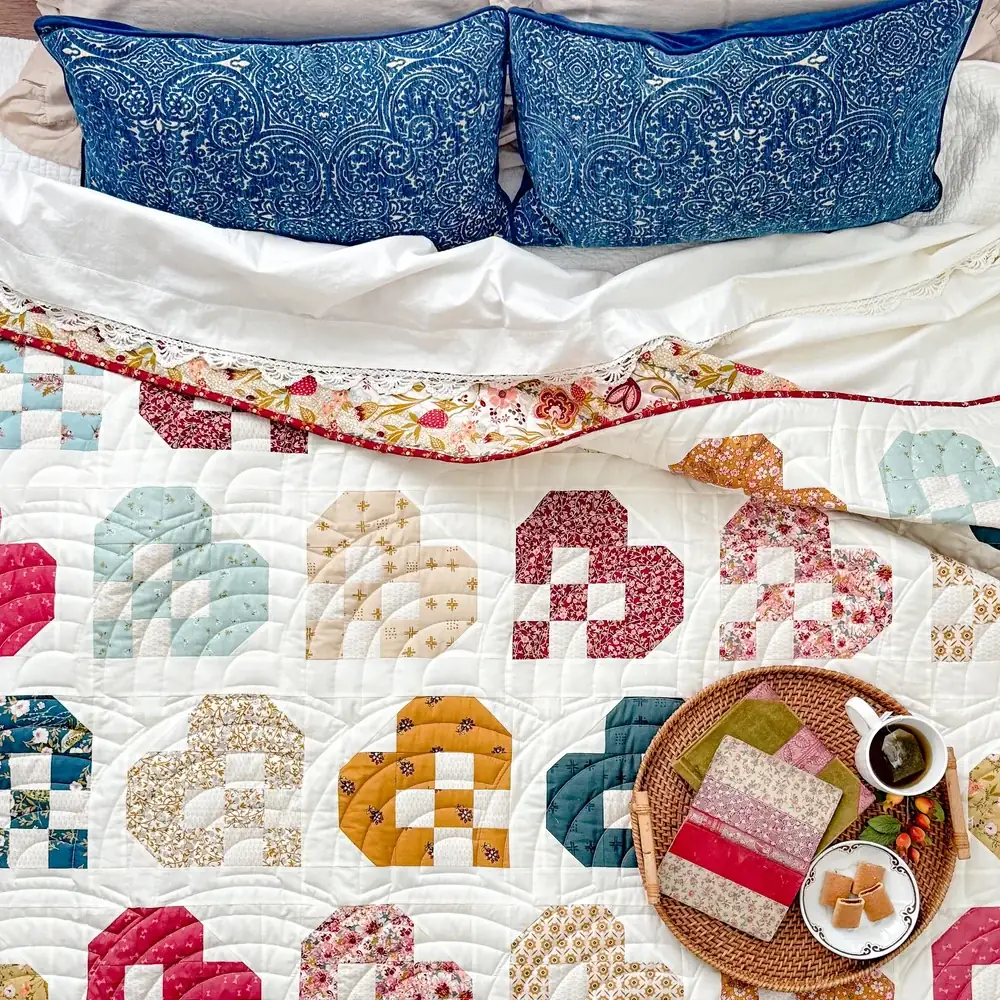
Hearts have a way of making a quilt feel personal, which is why they show up so often in gifts for weddings, anniversaries, and new babies. Shapes with angles or curves ask for a little more patience than plain squares, so cut slowly and measure twice before you slice.
Pin generously and sew without rushing, and each heart comes out neater than the last. If you enjoy sweet, handmade motifs, these heart quilt patterns offer plenty more to fall for.
7. Scrappy Patchwork Quilt Idea
Skill Level: Beginner
Time to Make: About 9 hours
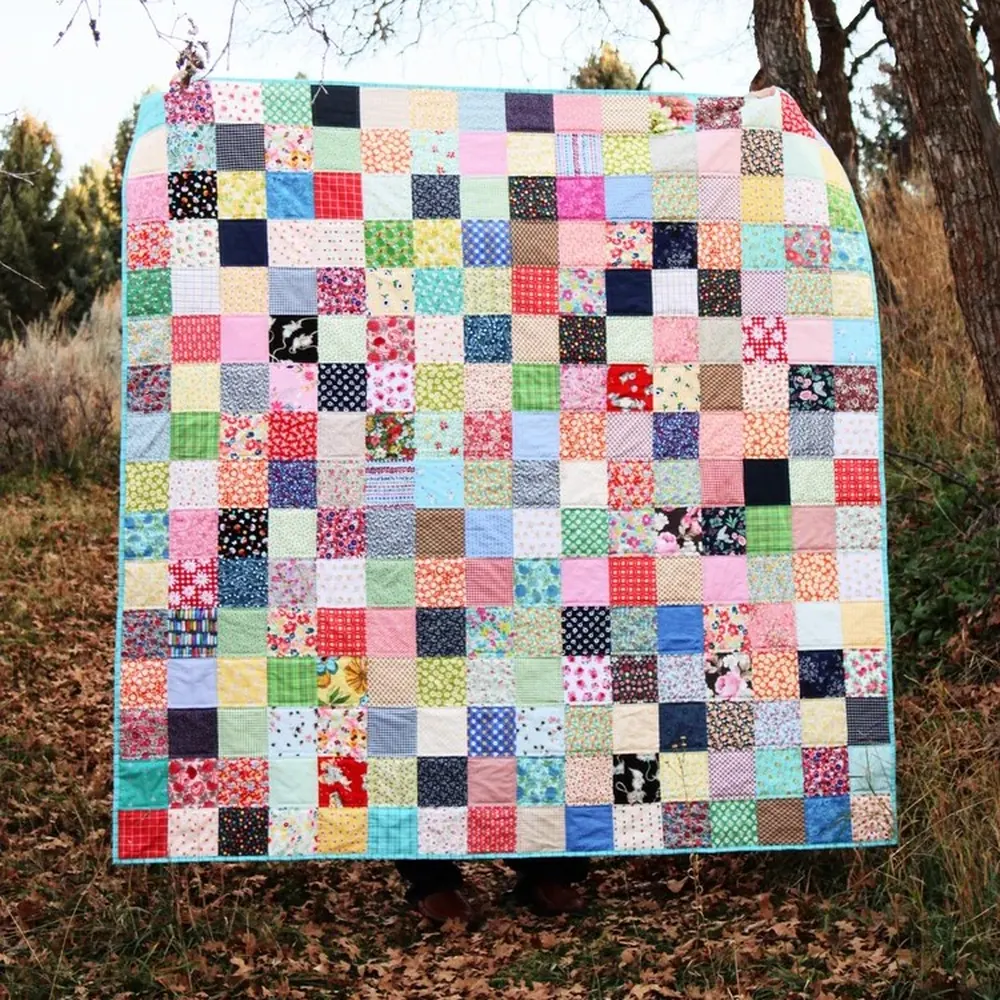
Scrappy quilts are the happiest way to empty a fabric basket, and every leftover piece gets a second life. The secret to making a mix look deliberate is to keep one thing steady, usually a single fabric that returns throughout the quilt.
That repeated anchor is what turns a pile of odds and ends into a design. If your stash is overflowing, these scrap quilting projects are a fun way to keep putting it to use.
8. Patchwork Potpourri Quilt Pattern Download
Skill Level: Confident beginner
Time to Make: About 14 hours
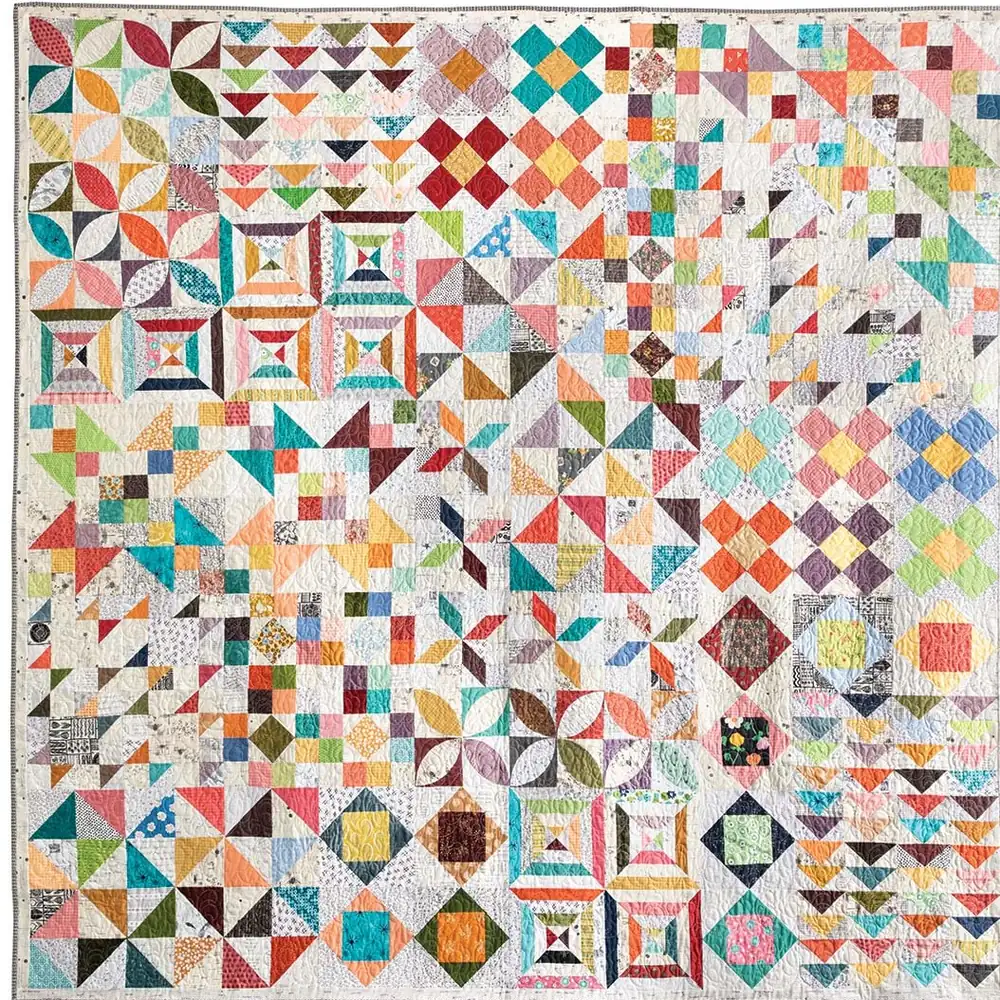
Potpourri is a lovely name for a quilt, since it hints at a mix of different blocks rather than one shape repeated. A downloadable pattern is handy too, because you can print it, jot notes in the margins, and sew it again whenever you like.
Keeping every block the same finished size is what makes a mix of designs fit together smoothly, and a set of twelve inch quilt blocks shows how consistent sizing works in practice. Trim each block to the same measurement before you join them.
Small Habits That Keep Patchwork Calm
Start with a tiny test block before you cut for a whole quilt. It costs you an hour, and it shows you right away whether your seam allowance is on target. A simple grid block like those in nine patch quilt patterns is a perfect candidate for that kind of practice.
Choose fabrics you actually love looking at. You will spend many evenings with them, and enthusiasm is the best motivator a beginner has. If a bundle of precut squares appeals, a stack of charm pack quilt patterns shows how little cutting you need to do.
Keep your leftovers, because tiny pieces are surprisingly useful. Offcuts from a finished quilt can become something wearable or practical, and a patchwork quilted jacket is one of the most satisfying ways to use them.
Finally, wash and dry your fabric the way you plan to care for the finished quilt. It prevents shrinking and puckering later, and it lets any stubborn dyes show themselves before they can stain a lighter piece.
Where First Patchwork Quilts Wobble
Skipping the planning stage is the most common slip. A quick sketch on paper, shaded with a pencil, reveals clumsy color clusters before you have cut anything, and the pen and paper quilt patterns show how designers map a quilt this way.
Fabrics that are almost the same lightness can also leave a quilt looking flat. Snap a photo of your stack and switch it to black and white, and you will see at once whether anything truly stands apart.
Another trap is wrestling a full sized top through your machine. Quilting smaller sections at a time makes the whole thing manageable, and quilt as you go projects explain how to do it without any extra stress.
When you are ready for your next project, wander over to these quilt ideas for every skill level and keep that beginner momentum going.