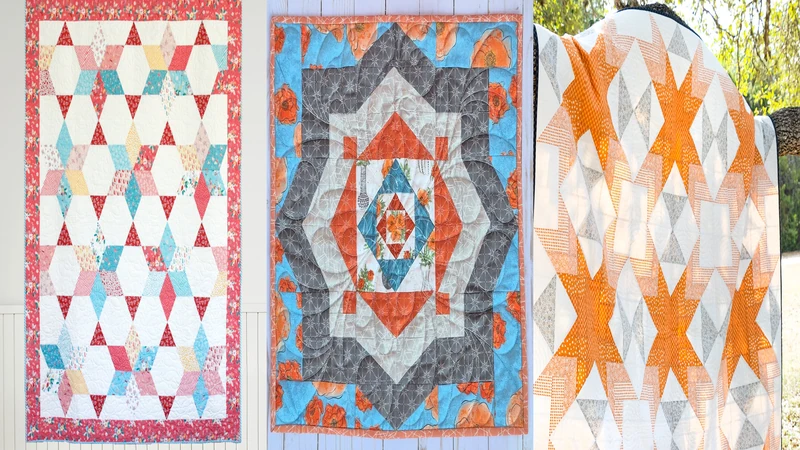
My favorite thing about vintage quilts is the feeling that someone’s hands have already been there before yours. Old quilts were made to be used, mended, and passed down, so the patterns are wonderfully easy, even when the finished result looks like a treasure. Below are vintage quilt patterns, and each one is a friendly place to begin if you are new to quilting. Pour yourself something warm and let’s look at what makes this old-fashioned style so easy to fall for.
Five Vintage Quilts Worth Sewing Today
Looking for the pattern or tutorial? You’ll find the source link right below each image. Some featured projects are shared for inspiration, so not every image includes a step-by-step tutorial!
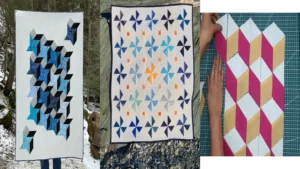
1. Vintage Gratitude Quilt DIY Tutorial
Skill Level: Beginner
Time to Make: A weekend
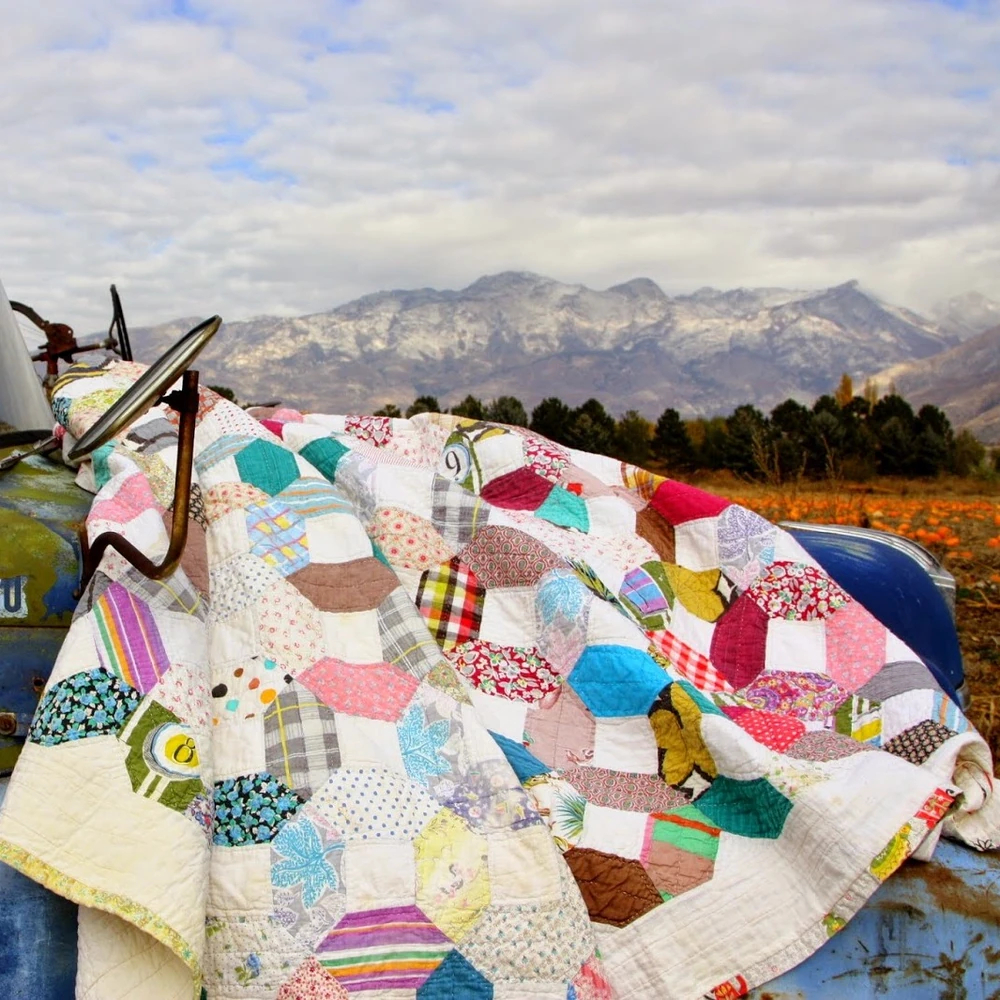
Gratitude is a lovely idea to stitch into a quilt, and a project with that name invites you to slow down and sew with some intention. Vintage quilts usually lean on simple blocks, so the fabric you pick does most of the storytelling. Here’s what we recommend doing before you cut anything.
Lay your fabrics side by side and look for a mix of light and dark choices, because that contrast keeps a gentle, old-fashioned palette from blending into one soft blur.
2. Vintage Quilt with Modern Tranquil Ripples
Skill Level: Beginner
Time to Make: A weekend
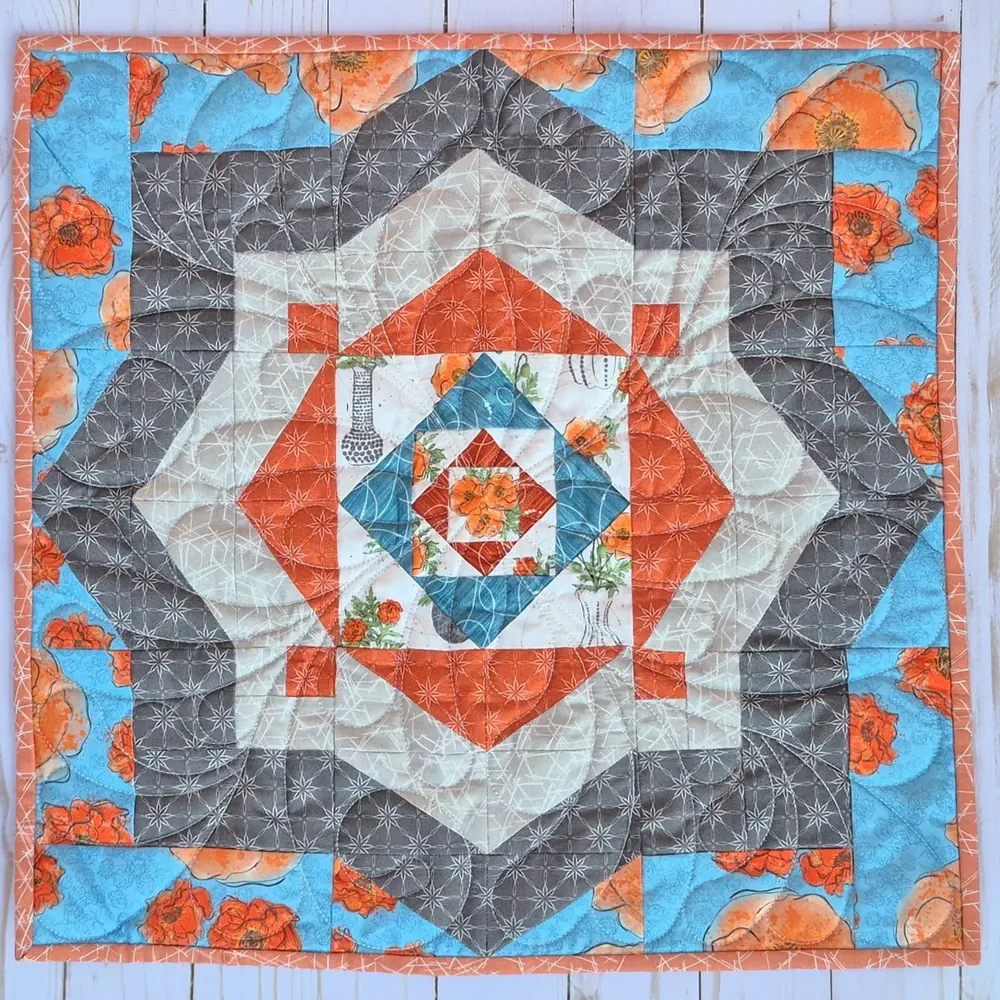
Mixing something old with something new is one of the nicest tricks in quilting, since you get the comfort of a familiar look with a fresh twist on top. A project like this shows you can respect tradition without copying it exactly.
Quilting lines are where the modern touch often shows up, so try gentle, flowing stitching rather than a stiff grid. Test your quilting design on a scrap sandwich first, a small layered piece of fabric and batting, and you will know right away whether you love it.
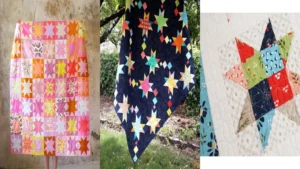
3. Vintage Stars Quilt Along Tutorial
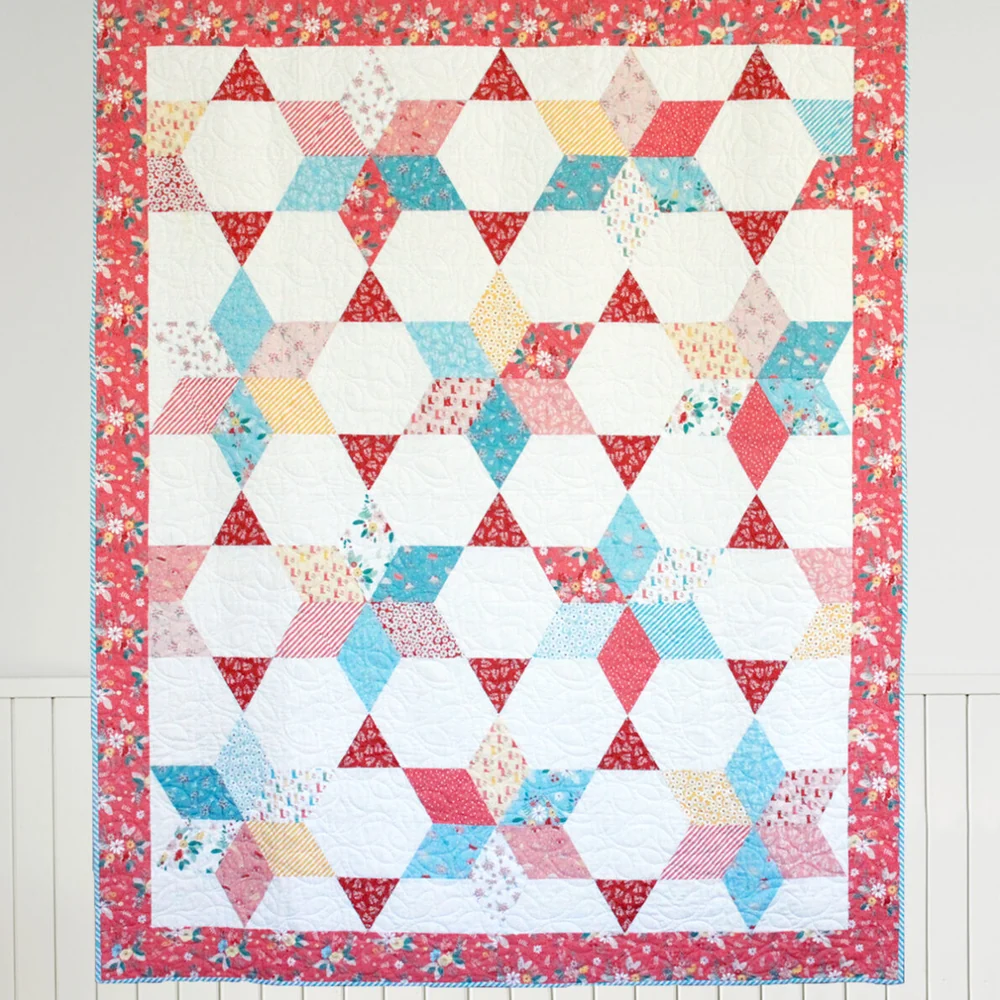
Skill Level: Confident beginner
Time to Make: Several weeks
A quilt along is a bit like sewing with a friend who sends you the next step each week, and that gentle pace suits star blocks beautifully. Stars are made from simple squares and triangles, so trim your pieces to size as you go to keep the points crisp.
If you want to practice the block shape before committing, the collection of twelve inch quilt blocks is a handy place to try one out. Restricting yourself to a small palette is a classic vintage move too, and two color quilt patterns show how much punch a pair of fabrics can pack.
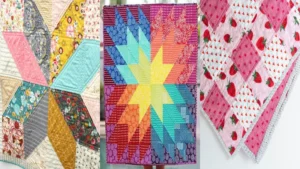
4. Contrary Wife Quilt and Free Quilt Block Tutorial
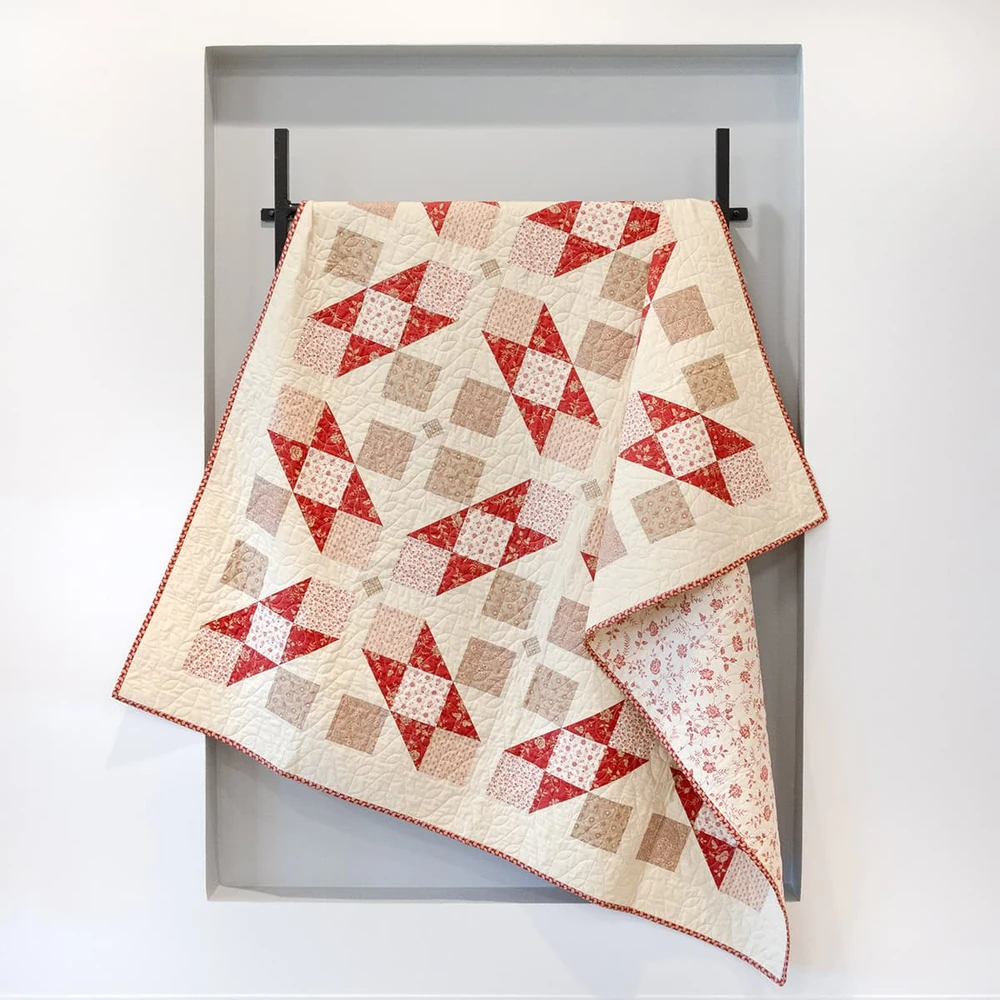
Skill Level: Beginner
Time to Make: A weekend
Traditional blocks often have the most wonderful names, and this one comes with a free block tutorial so you can learn the pattern before making a whole quilt. Practicing on a single block is a smart habit, because it shows you how your seams will meet before you repeat them dozens of times.
Blocks built on a simple grid are a good foundation, and nine patch quilt patterns are a gentle way to build that skill. Press your seams in the same direction in each row, and your block will come together neatly.
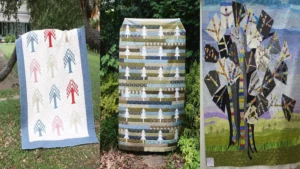
5. Classic Wood Lily Vintage Quilt Pattern
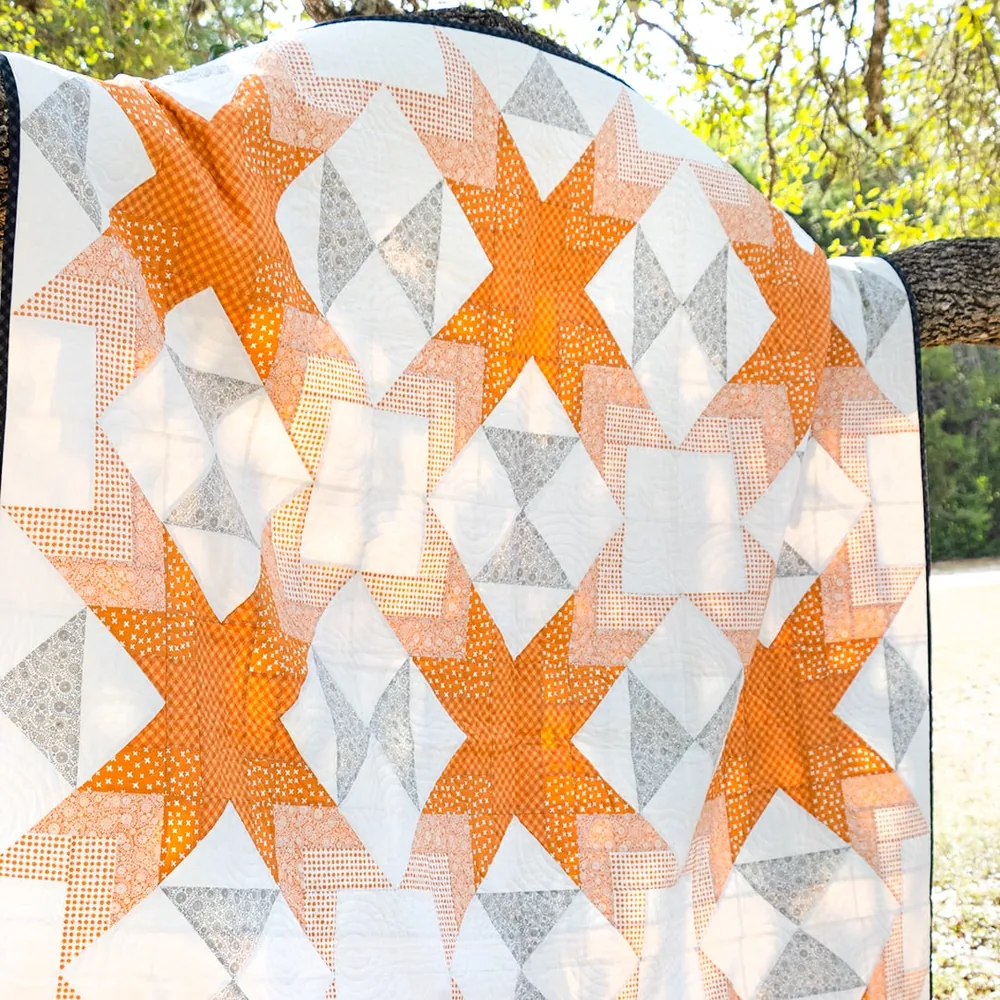
Skill Level: Confident beginner
Time to Make: A weekend
Wood lily is a traditional block with a free tutorial, which makes it a lovely way to try a flower-inspired design without feeling overwhelmed. Take your time with accuracy, since shapes meeting at points reward a slow and careful hand.
Many vintage patterns share a calm, honest look, much like the designs you will find in Amish quilt patterns. Repeating a simple unit is another old quilting habit, and four patch quilt patterns show how far one little block can go.
Little Habits That Give a Quilt That Vintage Feeling
Vintage quilts were often made from whatever fabric was on hand, and you can borrow that spirit without hunting through an attic. Dig into your scrap basket and let mismatched pieces sit happily next to each other, because that gentle variety is exactly where the old-fashioned charm comes from. If you enjoy working with leftover pieces, strip quilt patterns are a lovely way to turn small bits into something whole.
Softness matters just as much as looks. Vintage quilts are famous for feeling worn in and cuddly, and prewashing your fabric before you cut helps your finished quilt start out that way. Washing the whole quilt once it is finished, on a gentle cycle, gives you that slightly crinkled, lived in texture that people adore.
Fabric choice changes how a quilt feels. Soft, brushed cotton gives a snug, homey feeling, and flannel quilt patterns walk you through how to handle it so it behaves.
Edges can carry the vintage mood too. A frayed, fluffy finish is a classic cozy look, and rag quilt patterns are a fun way to get it on purpose.
Where Vintage Quilts Can Go Sideways
Choosing fabrics that are all the same lightness is the most common slip, and it leaves a quilt looking flat. Photograph your stack in black and white on your phone, and you will see at once whether anything stands apart.
Rushing a seasonal project is another easy trap, especially when a holiday is looming. Plenty of quilters have learned that the hard way with spooky sewing, which is why Halloween quilt pattern ideas are best started well before the end of summer.
Sometimes a quilt looks too busy because every block is fighting for attention. Giving your eye places to rest, with plain fabric or simple shapes, helps a pattern stand out, and the bold, simple designs in barn quilt patterns are a nice reminder that big and calm can look wonderful.
If you love how many small pieces can come together into one beautiful design, you will enjoy browsing these hexagon quilt patterns next.