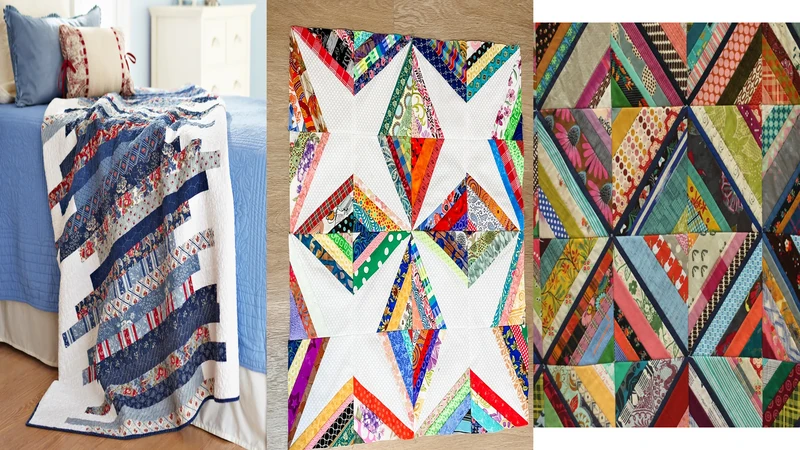
Strip quilts are one of the easiest ways to get comfortable with quilting because you can build a quilt top from long, manageable pieces instead of working with lots of tiny units. They are also a smart choice when you want to make good use of precut strips, jelly rolls, or fabric leftovers from earlier projects. The patterns below cover a range of strip quilting styles, from modern layouts and simple beginner quilts to scrappy string blocks and seasonal designs.
Beginner-Friendly Strip Quilt Patterns
Looking for the pattern or tutorial? You’ll find the source link right below each image. Some featured projects are shared for inspiration, so not every image includes a step-by-step tutorial!
1. Modern Strip Quilt Free Pattern and Tutorial
Skill Level: Beginner
Time to Make: A weekend
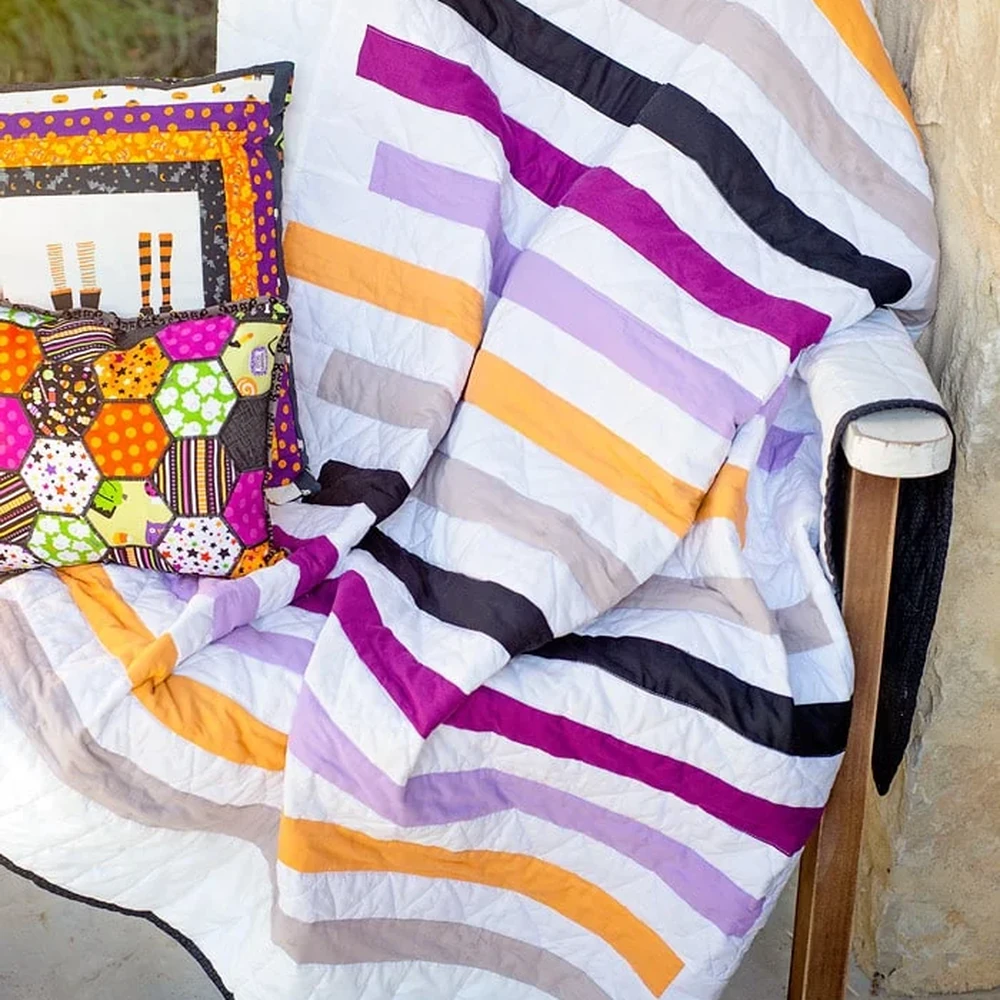
This modern strip quilt is a great place to start if you like clean lines and want a project that keeps the piecing fairly straightforward. The original tutorial uses jelly roll strips alongside background fabric, making it especially convenient if you already have precut strips waiting in your stash.
You can also adjust the strip arrangement to suit the direction and length you prefer. A pair of Fiskars Fabric Scissors is handy for general fabric preparation, although a rotary cutter is the more practical choice for repeated straight cuts.
2. Skinny Strips Quilt Easy Tutorial
Skill Level: Beginner
Time to Make: A weekend
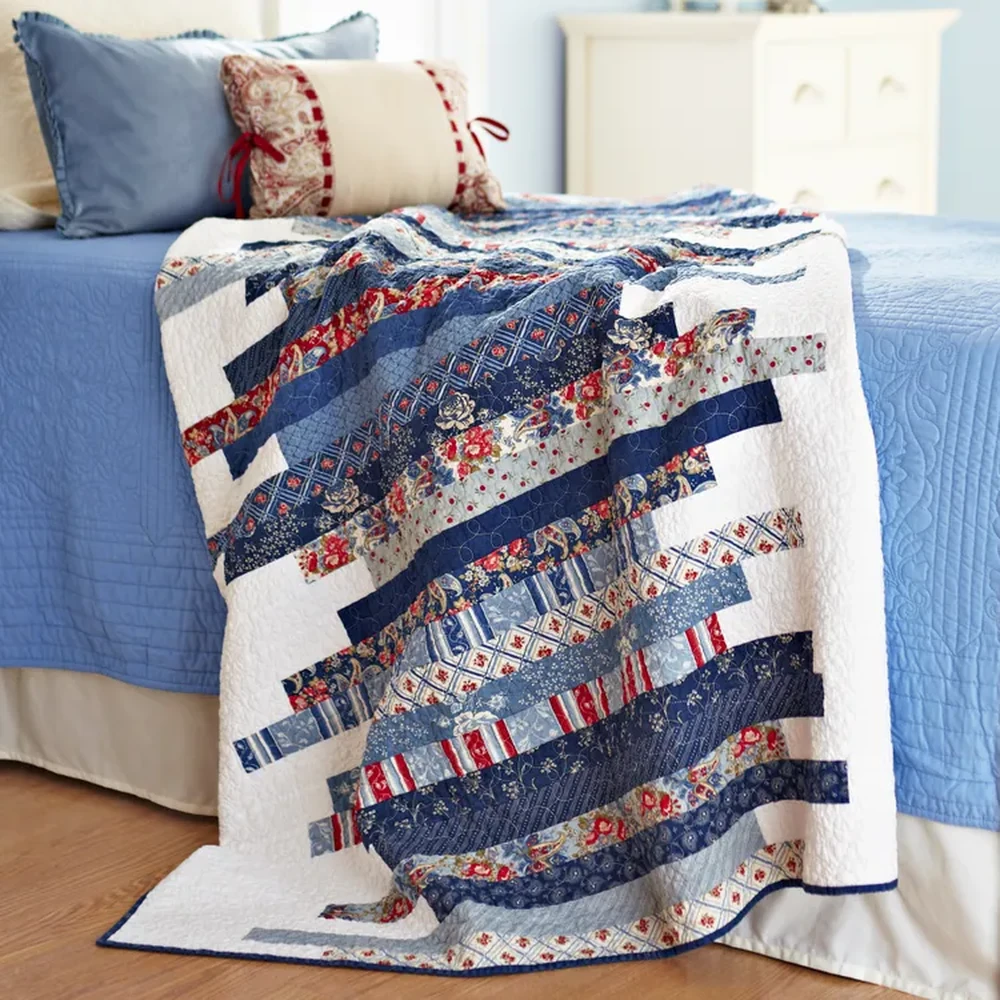
If you have a collection of 2.5-inch pre-cut strips, this project gives you a simple way to turn them into a finished quilt. The tutorial combines print or striped strips with solid fabric and lets you shift the rows to create different arrangements.
The pattern also includes alternate layout possibilities, so you can spend some time arranging the rows before committing to the final design. This is a useful approach if you enjoy playing with fabric placement before sewing everything together.
3. Speedy Serger Strip Quilt for Beginners
Skill Level: Beginner
Time to Make: A weekend
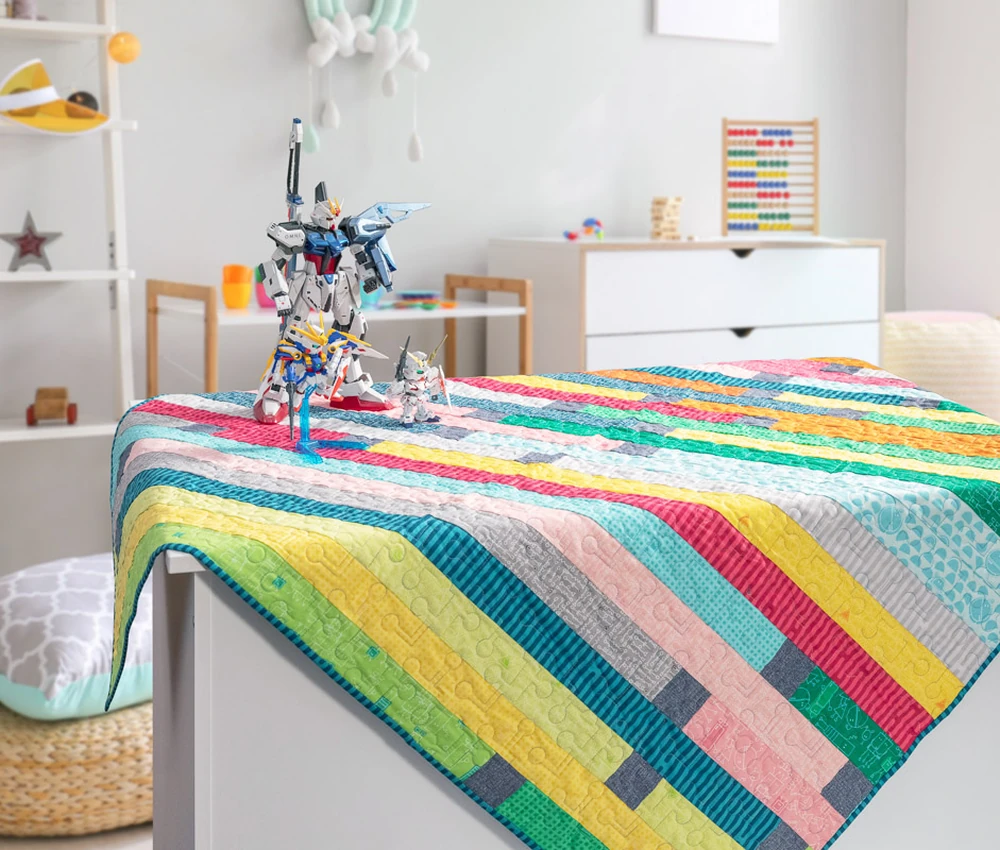
This project is worth considering if you want to bring your serger into your quilting routine. Instead of treating the serger as a machine reserved for garment sewing, you can use the project as an approachable way to work with strips and build confidence with quilt construction.
Keep your fabric pieces organized before you begin so the sewing process stays relaxed and easy to follow. If you are working at your machine for longer stretches, an LED sewing lamp can make it easier to see seams and fabric edges clearly.
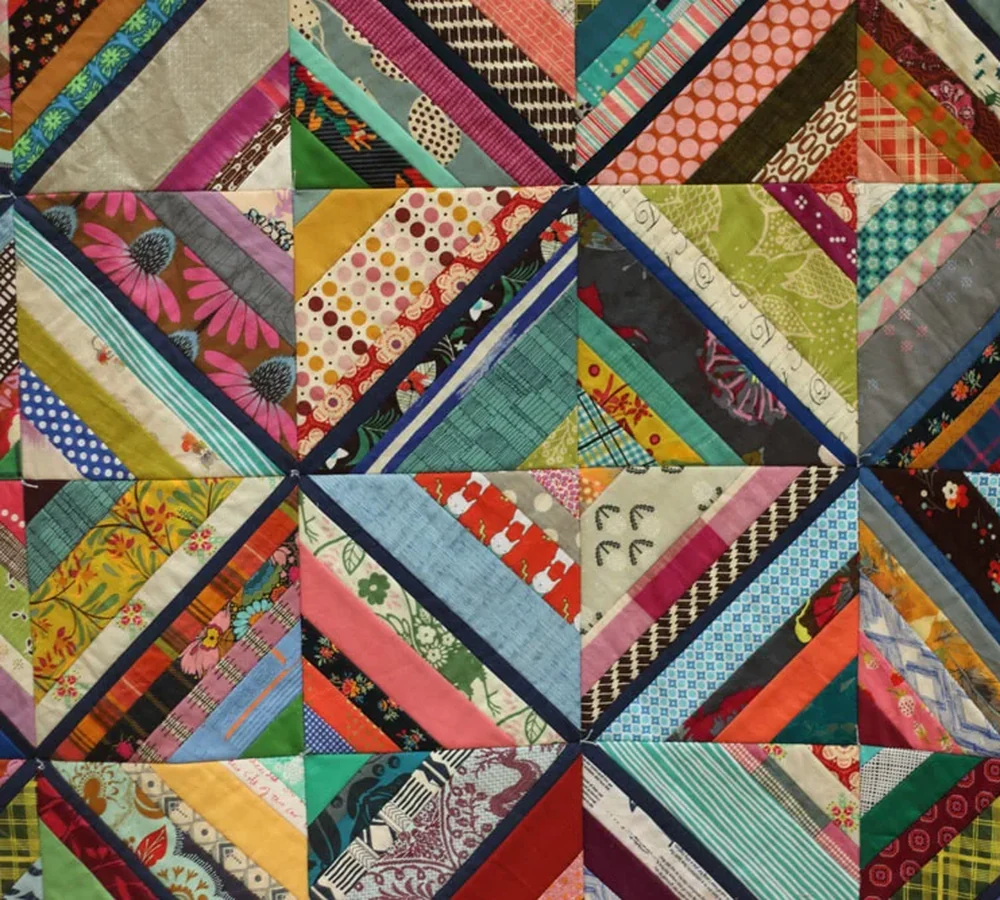
4. Moody Strings Quilt DIY Inspiration
Skill Level: Beginner to Intermediate
Time to Make: A weekend
A strings quilt gives you plenty of freedom to work with smaller pieces of fabric instead of relying on one perfectly coordinated collection. This moody take on string quilting is a useful source of inspiration if you prefer a more relaxed, fabric-driven approach.
Before sewing, sort your scraps into a few broad color groups and see how they work together. You do not need every fabric to match perfectly. If you enjoy using leftovers creatively, these easy crumb quilt patterns offer another good way to turn small fabric pieces into something useful.
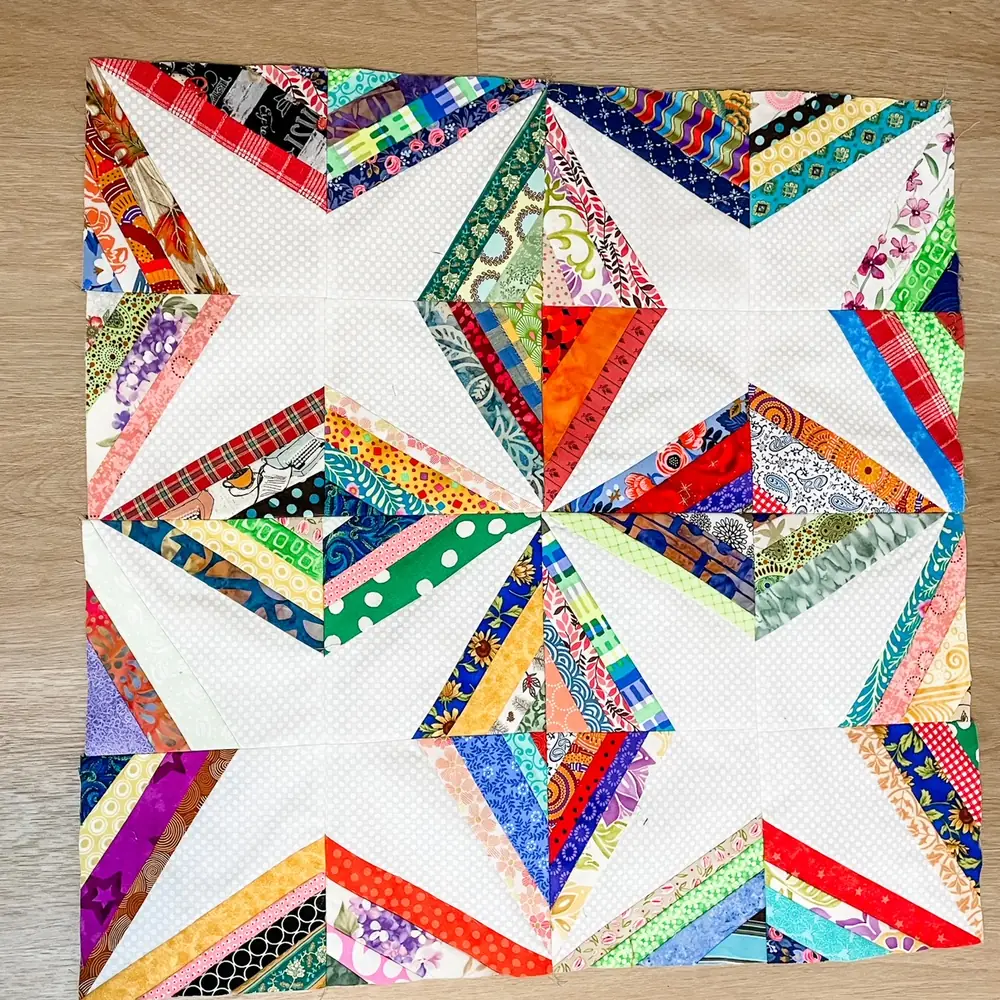
5. Scrappy Star String Quilt Block
Skill Level: Beginner
Time to Make: A weekend
This scrappy star block is a nice project for using up strips and smaller fabric pieces that have accumulated in your sewing room. The source describes the block as approachable for a wide range of quilting experience, making it a useful choice if you are learning string piecing.
You can make individual blocks for smaller projects or build several into a larger quilt. The block is also flexible enough to let you experiment with your fabric arrangement, so your scrap collection can guide the final look. A magnetic pin cushion can help keep pins contained as you work through multiple small strips.
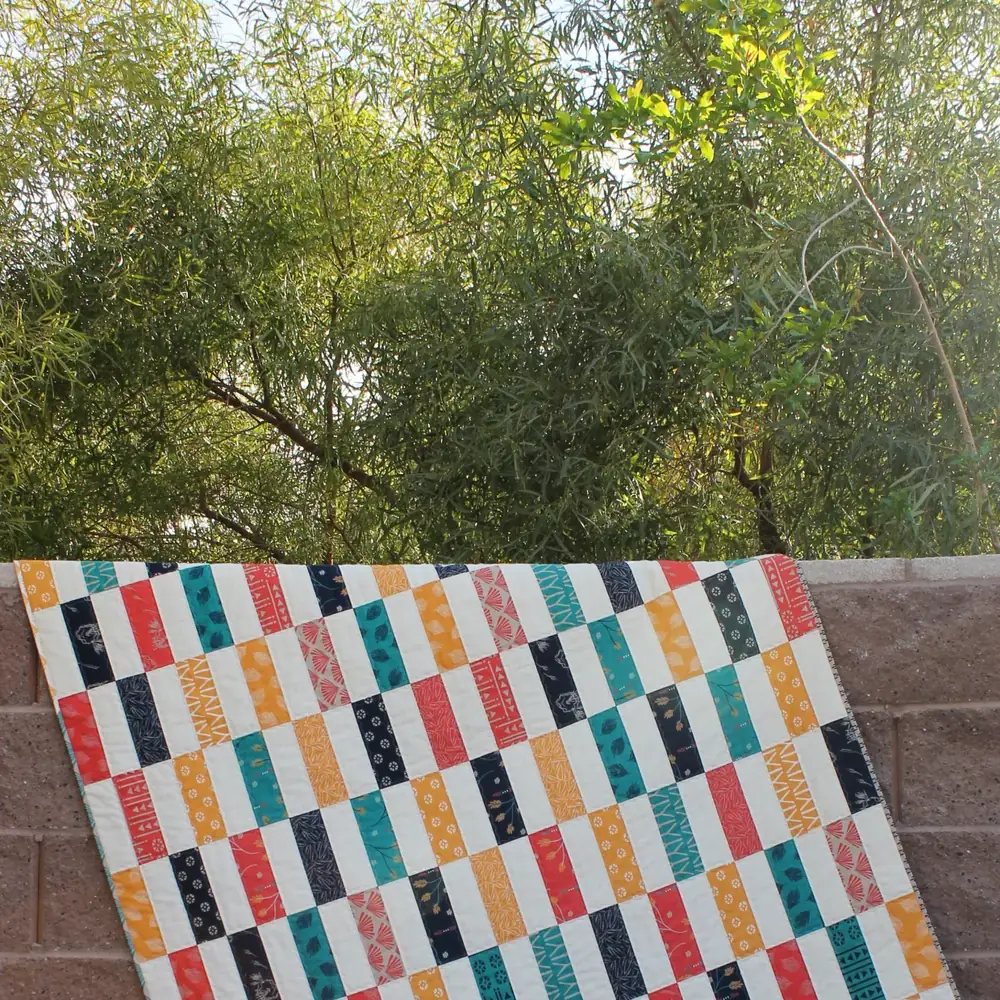
6. Simple Strips Quilt Along Tutorial
Skill Level: Beginner
Time to Make: A weekend
If you prefer learning through a project that is divided into manageable stages, this strip quilt tutorial is a useful option. The original quilt along takes you through the process from materials and cutting through assembly and finishing, so you can approach each stage separately.
That structure can be especially helpful when you are making your first larger quilt and do not want to tackle every step at once. You can also use the project to build a better understanding of how strip piecing, basting, quilting, and binding fit together.
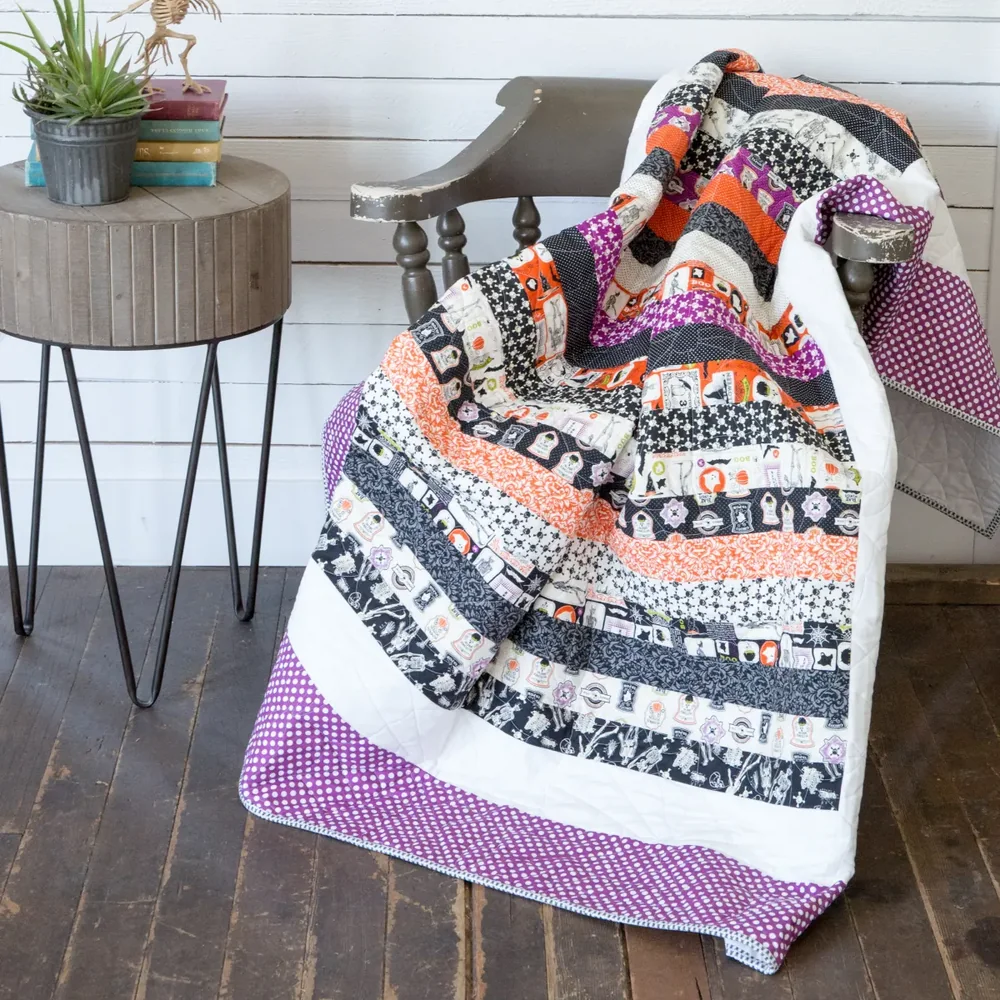
7. Halloween Strip Quilt Tutorial
Skill Level: Beginner
Time to Make: A weekend
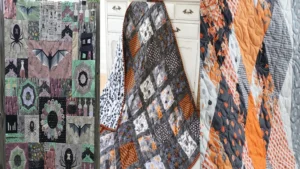
This Halloween strip quilt is a practical seasonal project if you want a themed quilt without spending weeks on complicated blocks. The tutorial uses precut 2.5 inch strips to create the center of the quilt, followed by borders and a straightforward finishing process.
The seasonal fabric does much of the decorating work, so you can keep the construction simple. If you are planning more Halloween sewing, these spooky Halloween mat patterns can help you add another handmade project to your seasonal décor.
8. Free Karma Strip Quilt Pattern
Skill Level: Beginner to Intermediate
Time to Make: A weekend
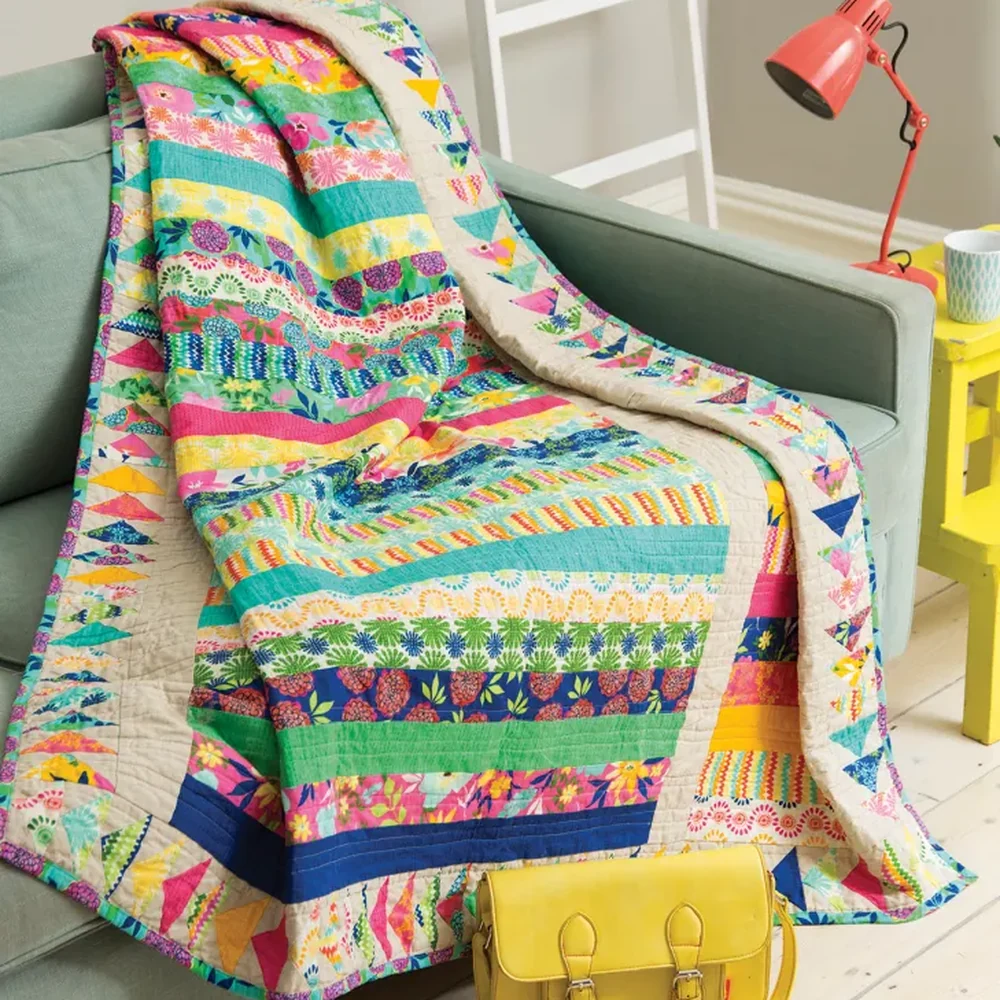
This Karma strip quilt combines precut strips with other quilt units, giving you a little more variety than a basic row-by-row strip quilt. The original pattern uses 2.5 inch strips and includes a mixture of strip piecing and additional fabric pieces.
It is a good choice if you have worked through a few simple strip quilts and want to introduce another level of piecing into your routine. Before starting, check your batting requirements carefully and choose a weight that suits the finished quilt. This beginner’s guide to quilt batting can help you make that decision.
9. Jelly Roll Strip Quilt Pattern for Beginners
Skill Level: Beginner
Time to Make: A weekend
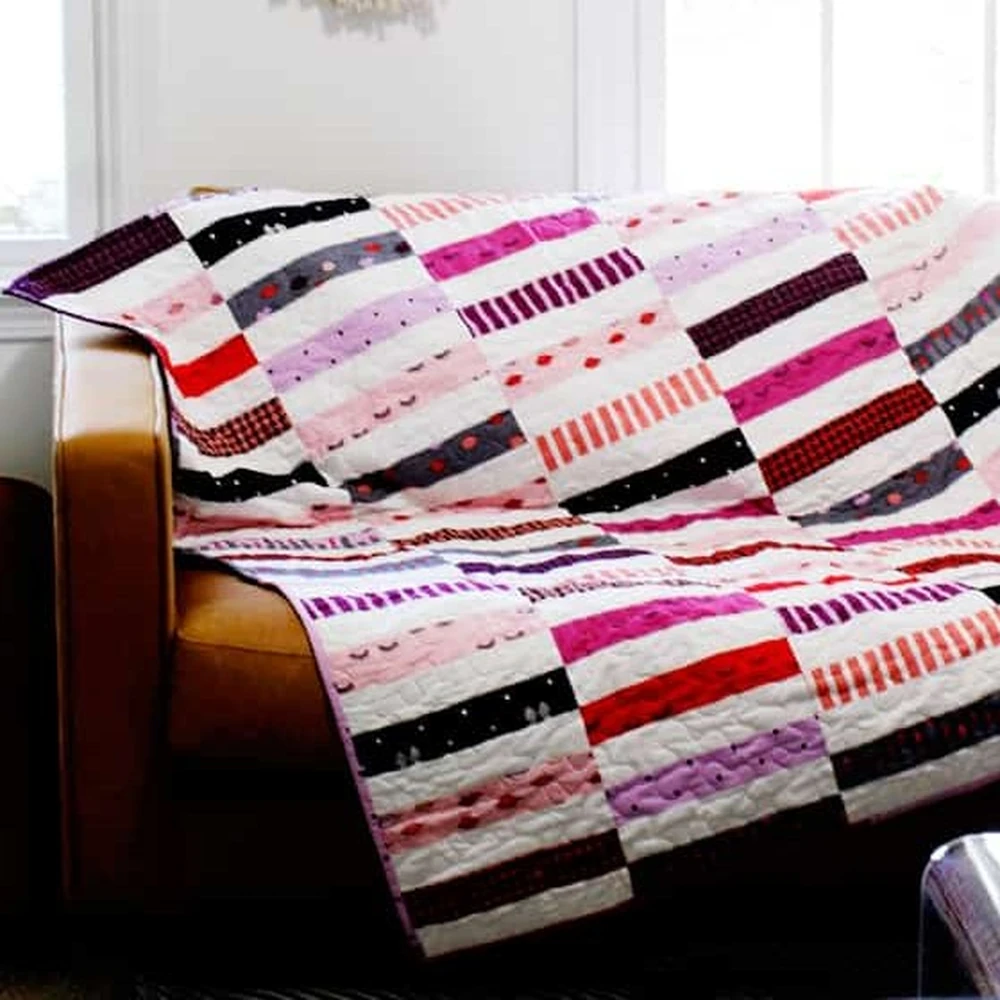
A jelly roll makes this type of quilt particularly convenient because the strips are already cut to a standard width. This pattern uses a jelly roll with a coordinating solid and breaks the quilt into manageable strip-based sections before bringing everything together.
The block-based approach can also make a larger project feel less intimidating because you can work through smaller sections before assembling the full quilt. If you have more jelly rolls waiting in your stash, take a look at these free jelly roll quilt patterns for more ways to use them.
10. Scrappy String Quilt Block Tutorial
Skill Level: Beginner
Time to Make: A weekend
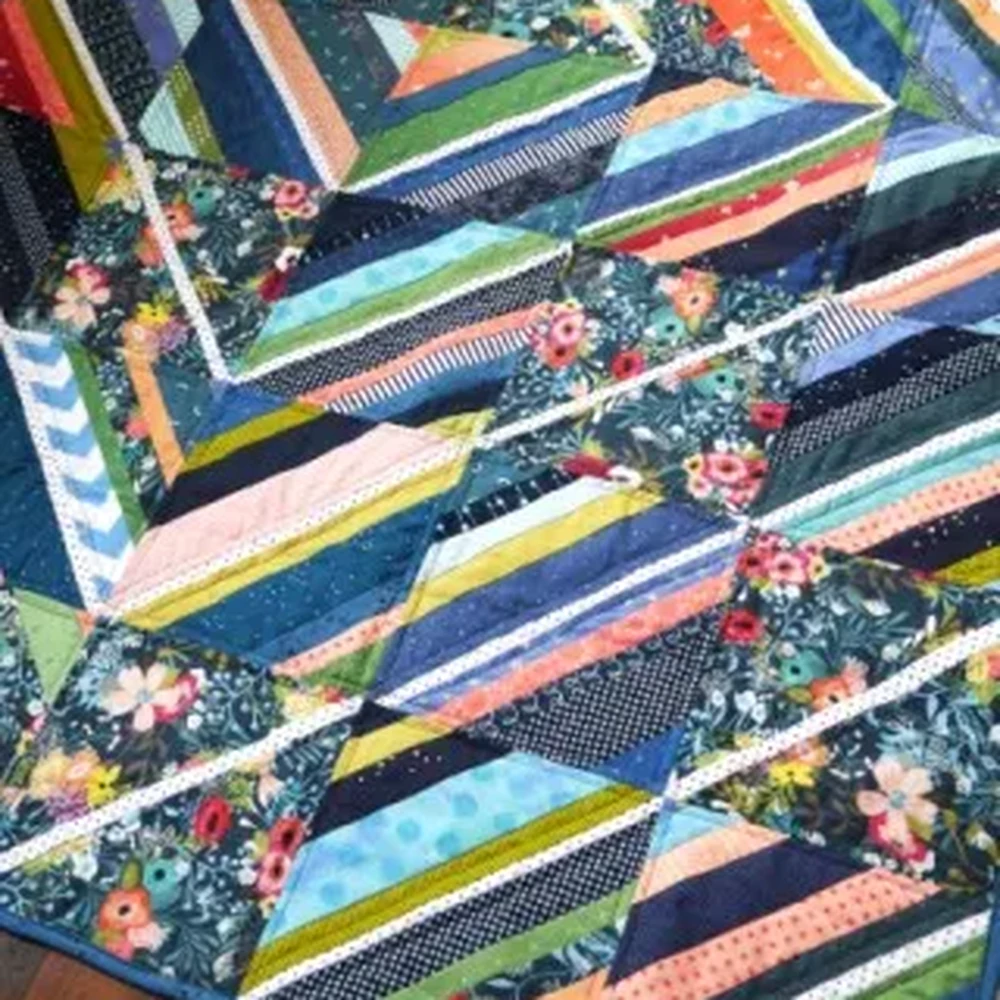
This string quilt block tutorial is especially useful when your fabric stash contains strips of different widths, lengths, and colors. The original project uses a foundation with fabric strips added progressively, making it a practical way to turn an assortment of scraps into coordinated blocks.
You can work from a carefully chosen color family or simply let your scrap basket dictate the combinations. The finished blocks can also be arranged in different directions, giving you room to change the final layout. For another fabric-saving approach, these cat quilt pattern ideas can inspire a completely different way to use your stash.
Practical Tips for Strip Quilting
Cut your strips carefully and check their width before you begin sewing large quantities. Small differences can add up across a quilt, especially when you are joining many long strips together. A consistent cutting setup makes the assembly stage much easier.
Keep your strip sets organized as you work. Stack completed sections in the order you need them rather than sewing everything first and trying to reconstruct the arrangement later. If you are using a sewing machine regularly for quilting, the Brother CS7000X Sewing Machine is one option to consider for a versatile home sewing setup.
Pressing deserves attention too. Strip piecing creates long seams, and careful pressing can help the rows sit flatter and make later assembly easier. Keep your iron close to your machine so pressing does not become an afterthought.
If you are making a strip quilt from scraps, do not cut every piece immediately. Lay your fabrics out first and decide which pieces need to stay together for color or contrast. This can save you from cutting a large quantity of fabric only to discover that the arrangement does not work.
Common Strip Quilt Mistakes to Avoid
Do not assume that every strip needs to be cut exactly the same length if the tutorial calls for different lengths or trimming later. Follow the cutting sequence from the individual pattern rather than applying measurements from another strip quilt.
Do not skip pressing between major stages. Long strips can develop ripples or slight distortion if the seams are left unpressed, and those problems can become harder to manage once the quilt top grows.
Remember to check your backing and batting requirements before you reach the finishing stage. Having the quilt top completed but not enough backing fabric on hand is an easy problem to avoid. If you need suitable backing yardage, quilt backing fabric is worth planning for early.
Strip quilts are a practical way to learn quilting because the basic idea is easy to understand, yet the finished results can look very different depending on fabric, color placement, strip width, and layout. You can start with precut strips, use leftover fabric, or combine both approaches.
Choose a simple pattern for your first project and focus on getting comfortable with cutting, sewing, pressing, and arranging your strips. Once that process feels familiar, string quilts, jelly roll designs, seasonal quilts, and more involved strip arrangements give you plenty of directions to take your next project.