
Crochet African flower hat patterns have a way of standing out instantly because the motifs create texture, shape, and color variation all at the same time. And when those motifs are turned into hats, the result feels bold and handmade without looking overly complicated. That balance is exactly why African flower hats stay so popular with crocheters. You get a project that feels creative and visually detailed while still relying on very repetitive and relaxing construction once the motifs begin coming together.
Things You’ll Need
- Fine cotton yarn or embroidery thread for delicate details
- Lightweight crochet hooks in smaller sizes
- Stitch markers and small scissors
Crochet African Flower Hat Patterns
1. Crochet African Flower Hat PDF Pattern
Skill level: Beginner to Intermediate
Time required: 4 to 6 hours
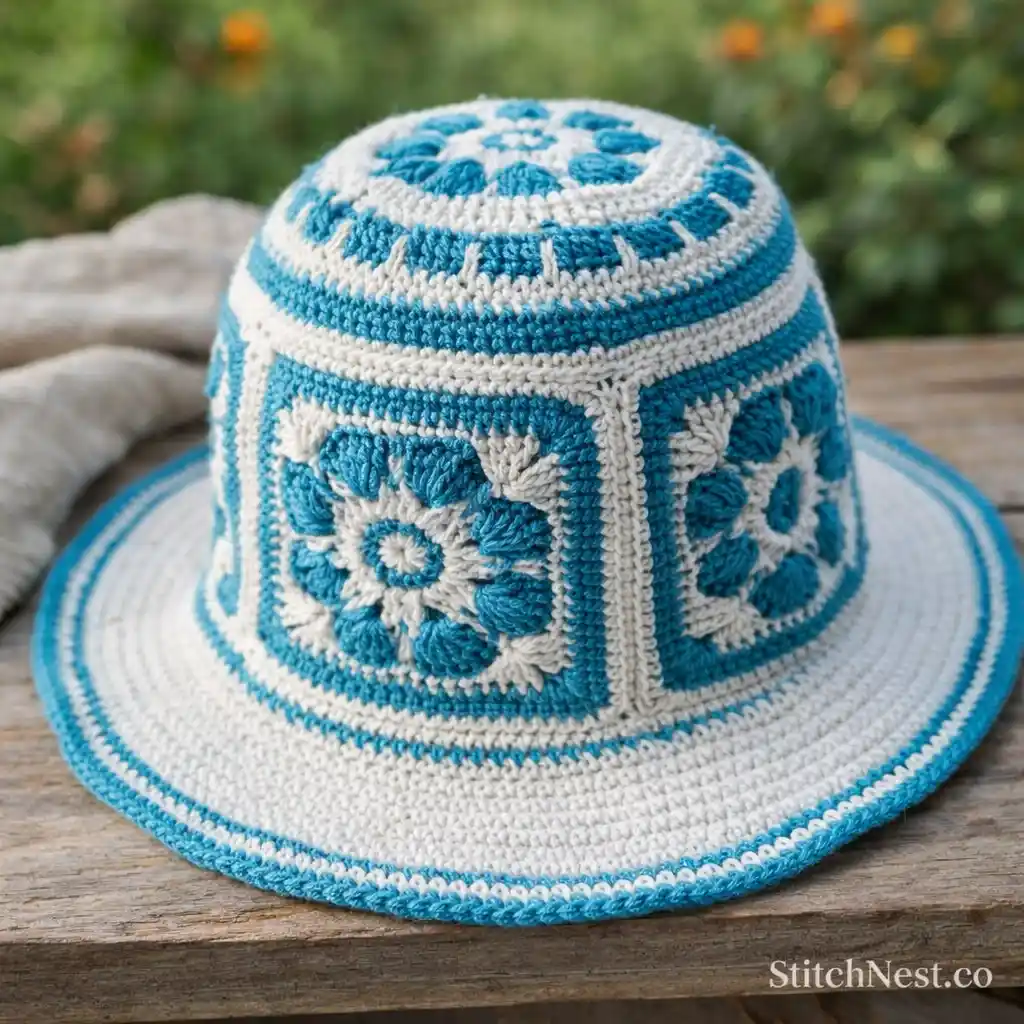
This African flower hat pattern keeps the motif structure clean and balanced, which makes it easier to focus on color placement and shaping without feeling overwhelmed by complicated construction. The floral motifs naturally create texture, so even simple yarn combinations end up looking detailed once joined together.
We often notice that keeping one consistent background color throughout the motifs helps the entire hat feel more cohesive. The Etsy PDF pattern linked here is especially helpful if you prefer step by step written instructions with a polished finished layout.
2. Crochet African Flower Beanie Hat
Skill level: Intermediate
Time required: 5 to 7 hours
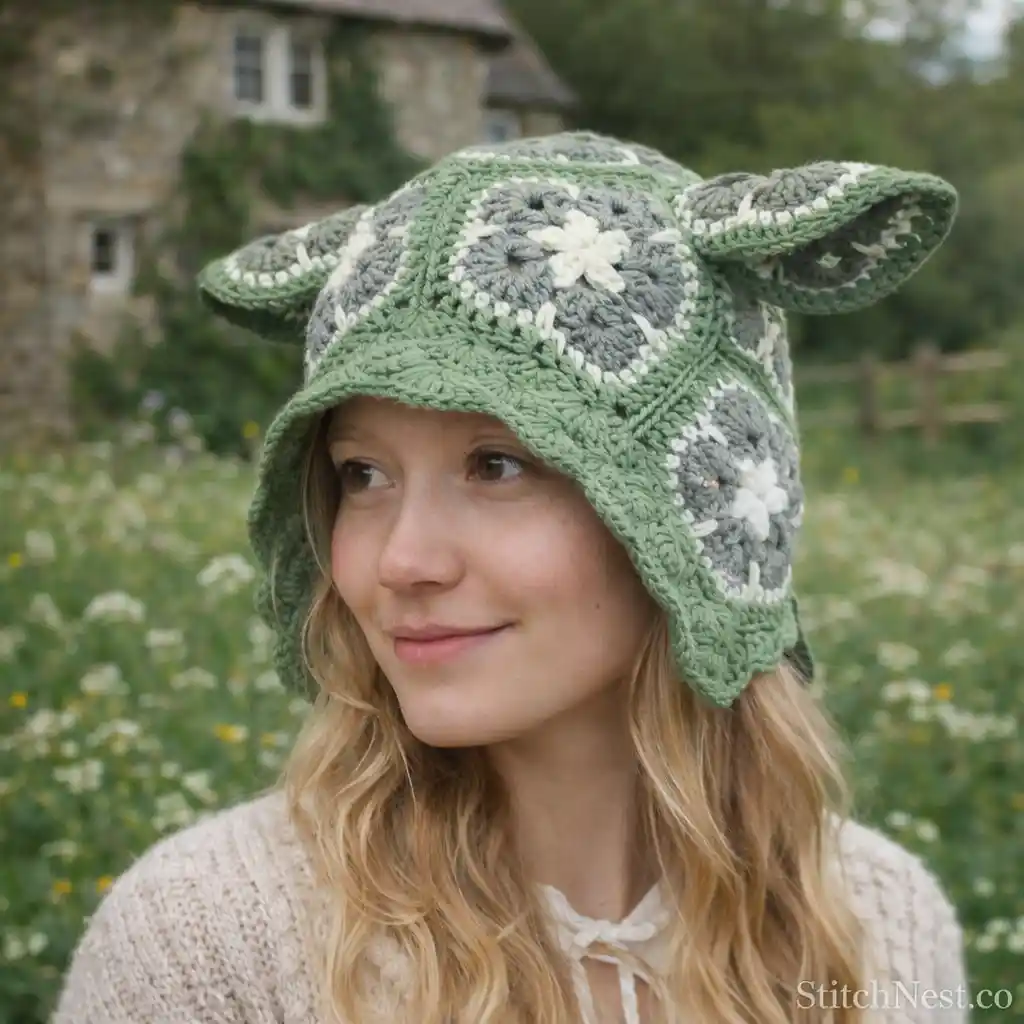
A beanie style African flower hat feels softer and more wearable for everyday use because the fitted shape balances out the bold motif texture nicely. Since the motifs already add visual movement, simpler edging usually creates a cleaner overall result than heavily textured borders.
One thing that helps during assembly is laying out all the motifs beforehand so the colors feel evenly distributed around the hat. The YouTube tutorial explains the joining process clearly.
3. African Flower Granny Square Bucket Hat Tutorial
Skill level: Beginner to Intermediate
Time required: 4 to 6 hours
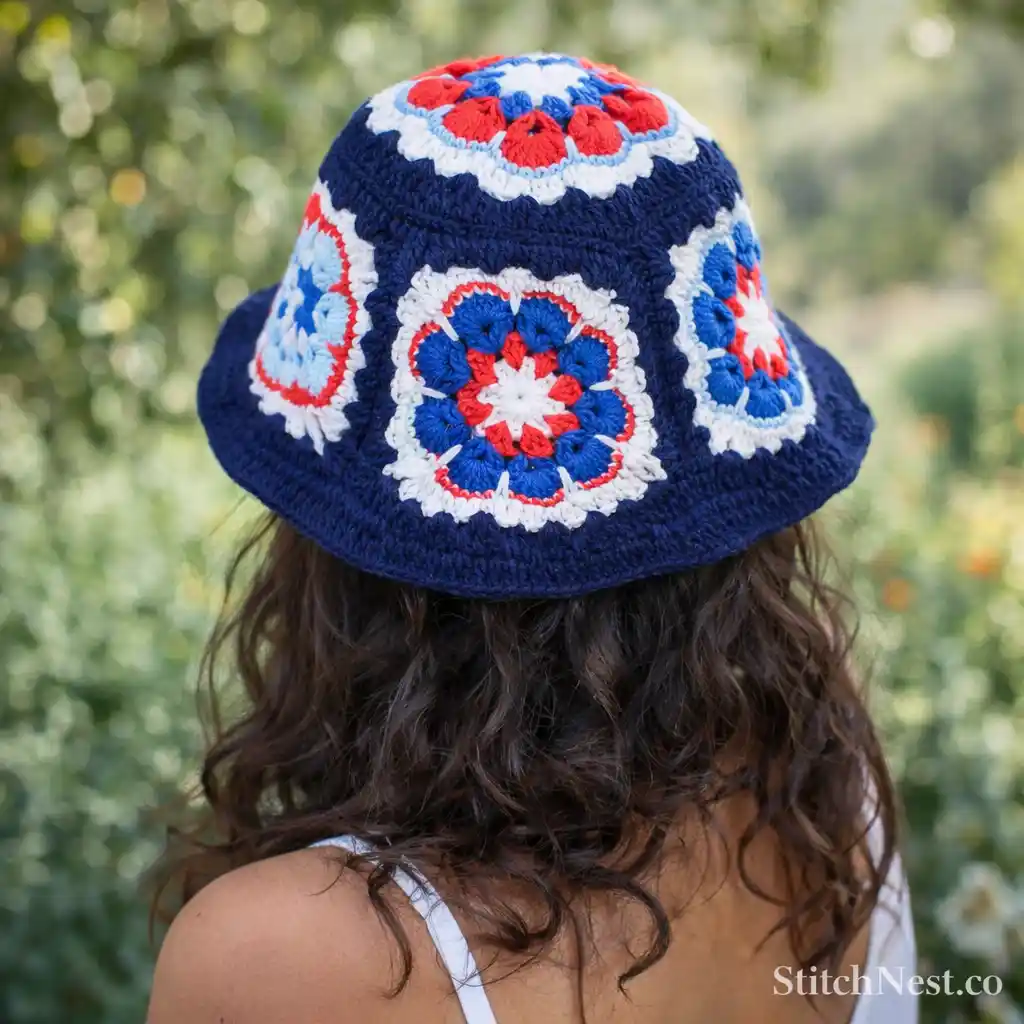
Bucket hats work beautifully with African flower motifs because the wider shape gives the floral sections more room to stand out naturally. The brim structure matters a lot here, so slightly firmer stitches usually help the hat hold its shape better over time. Instead of mixing too many bright shades together, balanced color repetition often creates a much more polished final look. Here’s the DIY pattern!
4. African Flower Hat Pattern
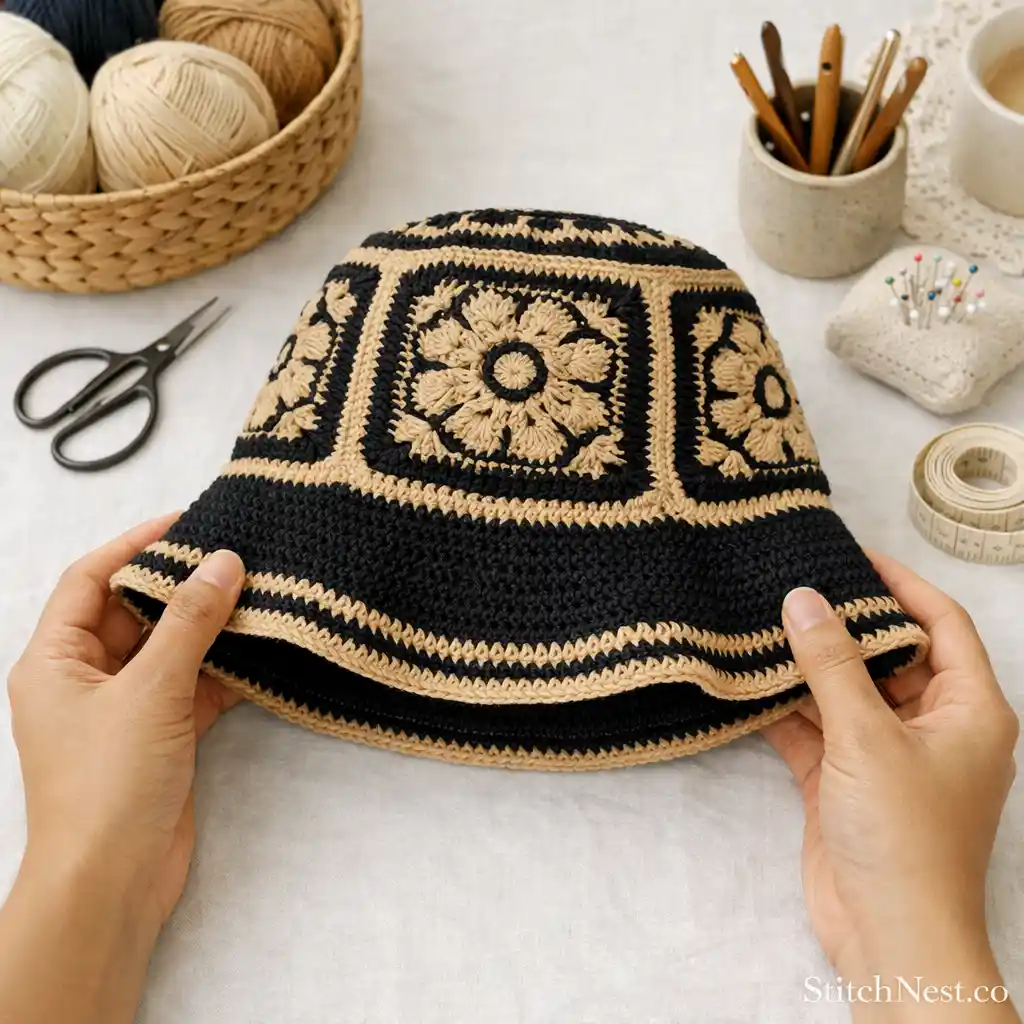
Skill level: Intermediate
Time required: 5 to 8 hours
This style focuses more on traditional African flower motif construction, which gives the finished hat a rich textured appearance without needing overly complicated stitches. Once the first few motifs are complete, the project becomes very rhythmic and relaxing to work through.
We usually find that weaving in ends as you go makes the final assembly process feel far less overwhelming later on. The LoveCrafts pattern keeps the shaping structured and leaves plenty of room for personal color choices. And if you’re in the mood to crochet something you can wear every day, take a look at these soft girl crochet outfit patterns.
5. African Flower Slouch Idea Easy Free

Skill level: Beginner to Intermediate
Time required: 4 to 6 hours
Slouch hats naturally pair well with African flower motifs because the relaxed shape allows the pattern texture to drape more softly around the head. The extra fabric creates movement, which makes the motifs feel even more dimensional once worn. The Ravelry pattern is a great example of how relaxed shaping can still look clean and intentional.
6. Crochet African Flower Pattern for Hat
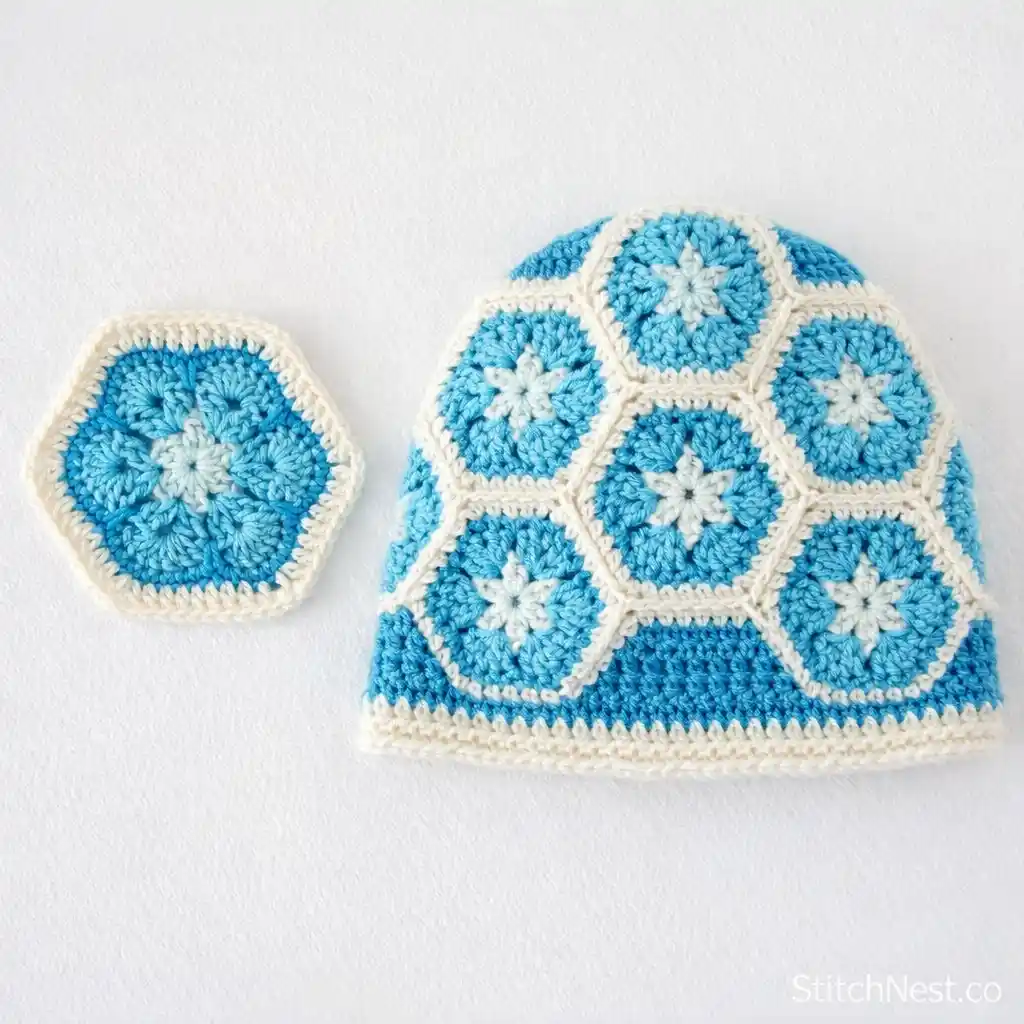
Skill level: Beginner
Time required: 3 to 5 hours
The flower sections are repetitive in the best way, so you naturally settle into the rhythm after the first few rounds. We often notice that lighter motif centers help the floral shape stand out much more clearly against darker outer colors. Crochet 365 Knit Too explains the motif structure in a very approachable way that makes the pattern beginner-friendly without oversimplifying it.
7. African Flower Motif Hat Pattern Free

Skill level: Intermediate
Time required: 5 to 7 hours
Motif based hats always feel a little more creative because the construction builds piece by piece instead of row by row like standard crochet hats. That modular approach also makes it easier to experiment with color combinations without committing to the entire design immediately.
Before joining everything together permanently, laying the motifs out flat usually helps spot uneven spacing or color clustering early on. The Ravelry pattern shared here keeps the assembly practical while still letting the motifs remain the main visual feature.
Common Mistakes When Making Crochet African Flower Hats
- Pulling motif stitches too tightly, causing the flowers to curl or lose shape
- Ignoring motif placement before joining, leading to uneven color balance
- Waiting until the end to weave in yarn tails, which makes assembly much harder later on
- Using very soft yarn for structured styles like bucket hats, causes the brim to sag over time
Practical Tips to Make African Flower Hats Look More Polished
African flower hats usually look best when the color palette feels balanced instead of overly busy. We often find that repeating one or two shades consistently across all the motifs helps the design feel much more intentional once assembled. Firm but relaxed tension also matters because overly tight motifs can distort the flower shapes while loose stitches make the joins look uneven.
Blocking the motifs lightly before assembly can improve the final hat shape dramatically, especially around bucket hat brims and slouch sections. Smaller finishing details like neat joins, clean edging, and evenly spaced motifs are usually what make these hats look thoughtfully handmade instead of rushed.
Well, time to make these hats and experiment with what you like. Maybe try these crochet summer bag patterns to go with your African flower hat; we have some African-style ones too!