The four patch quilt block might be the single most useful thing you will ever learn to sew, four squares, one seam cross, and somehow that tiny bit of math unlocks half the quilts you will ever want to make afterward. We gathered ten patterns below, from the most basic version to a few clever twists that turn those same four squares into something you would never guess started so simply. If you have been putting off your very first quilt, this is genuinely a lovely place to begin.
Things You’ll Need
- Acrylic quilting rulers for precise shapes
- Rotary cutter with a self-healing cutting mat
- Sewing machine with quilting foot attachment
- Soft batting for a cozy finished feel
- High-quality cotton fabric bundles
Ten Four Patch Quilts Worth Sewing
Looking for the pattern or tutorial? You’ll find the source link right below each image. Some featured projects are shared for inspiration, so not every image includes a step-by-step tutorial!
1. Four Patch Quilt Block Tutorial
Skill Level: Beginner
Time to Make: A few hours
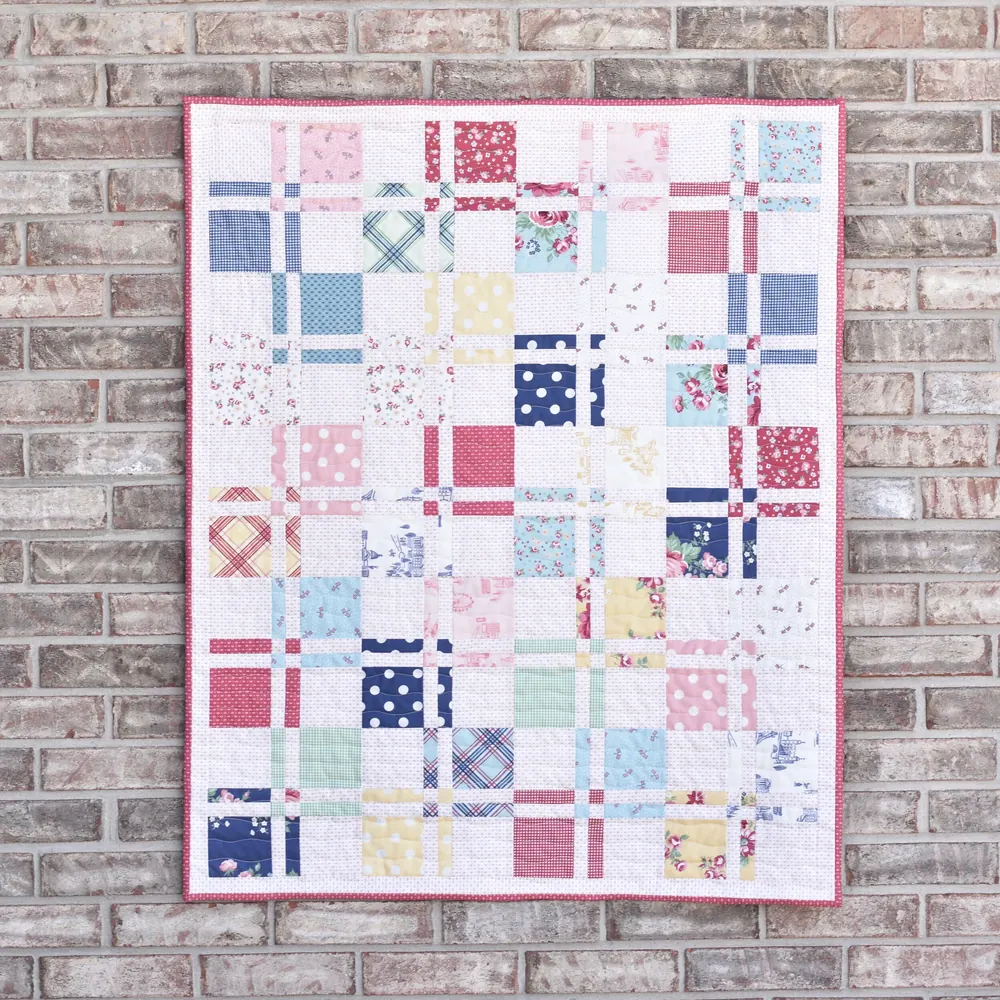
This is the block itself, stripped down to its simplest form, four equal squares sewn into a two by two grid. It sounds almost too easy to bother writing a tutorial about, but understanding how the seams nest together here is the foundation for nearly every other pieced block you will ever sew.
Press your center seam toward the darker fabric so it disappears instead of casting a shadow through a lighter square, and you have already learned a trick that will serve you for years.
2. Quilt Four Patches and Nine Patches
Skill Level: Beginner
Time to Make: A weekend
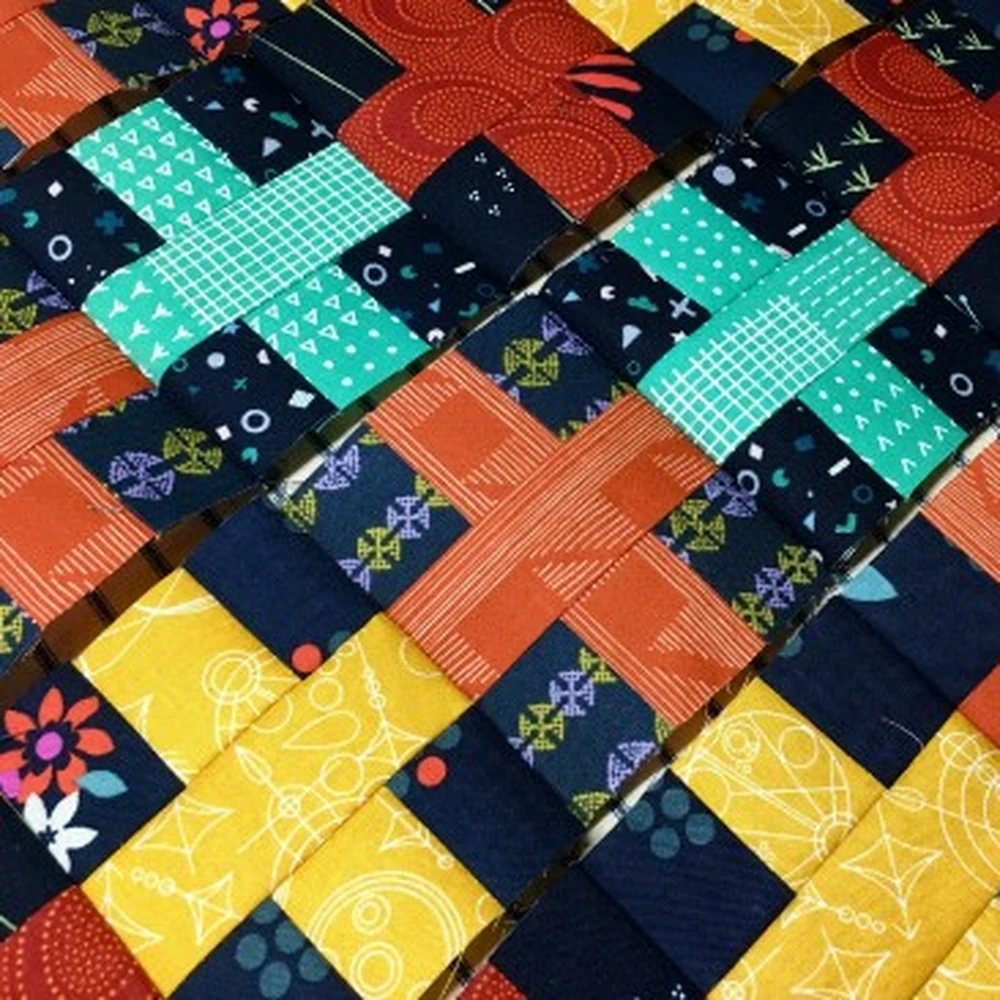
There is a lot of value in learning two closely related blocks side by side, since seeing how a four patch and a nine patch differ actually makes both of them click faster than studying either one alone. The nine patch adds one extra row and column, and once you notice that, scaling a grid block up or down stops feeling mysterious.
You know, a reliable portable sewing machine is honestly all you need for a project like this, no fancy features required.
3. Quick Four Patch Quilt Free Tutorial
Skill Level: Beginner
Time to Make: One afternoon
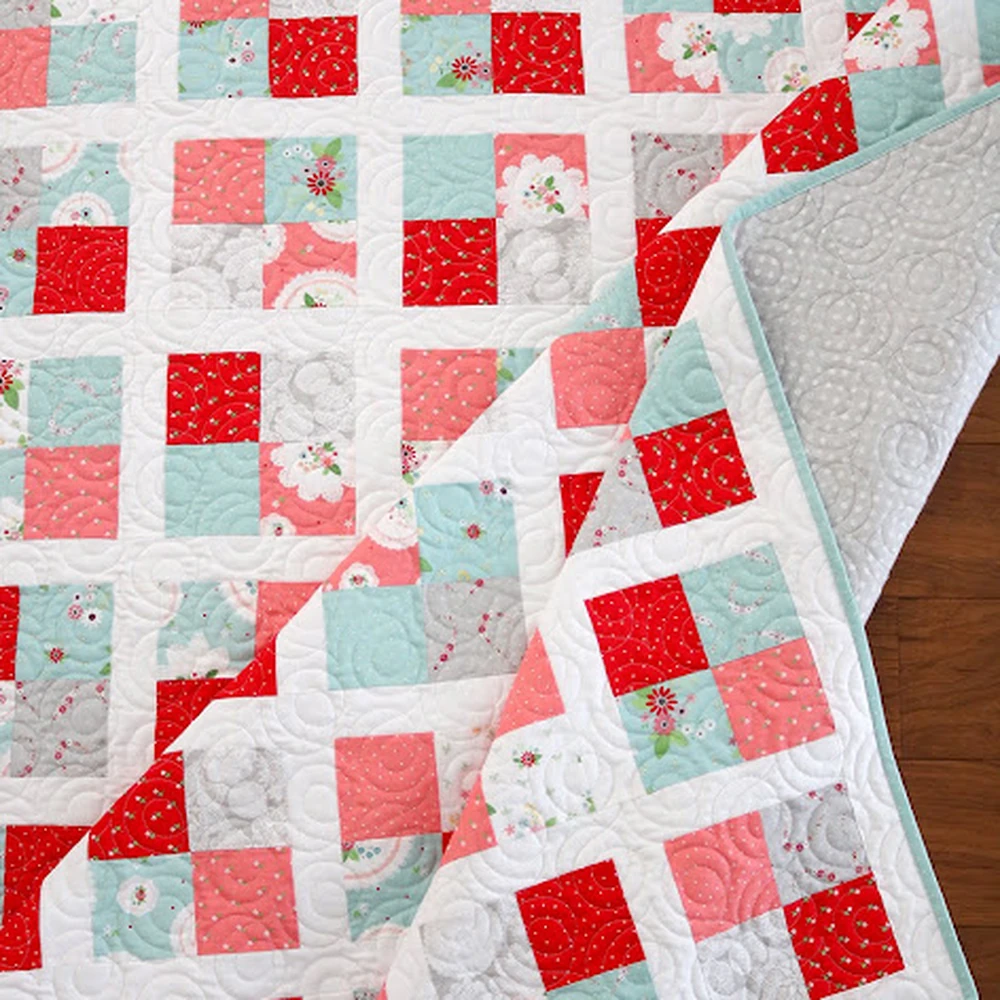
Some projects are built purely for speed, and this is one of them, using bigger squares so you cover real ground without sewing dozens of tiny seams. It is a lovely confidence builder too, since a top this size can genuinely come together in one sitting.
If you enjoy discovering just how forgiving a simple block can be, hidden wells quilt blocks deserve a look next for more of that same pleasant surprise.
4. 4 Patch Charm Quilt Pattern
Skill Level: Beginner
Time to Make: A weekend
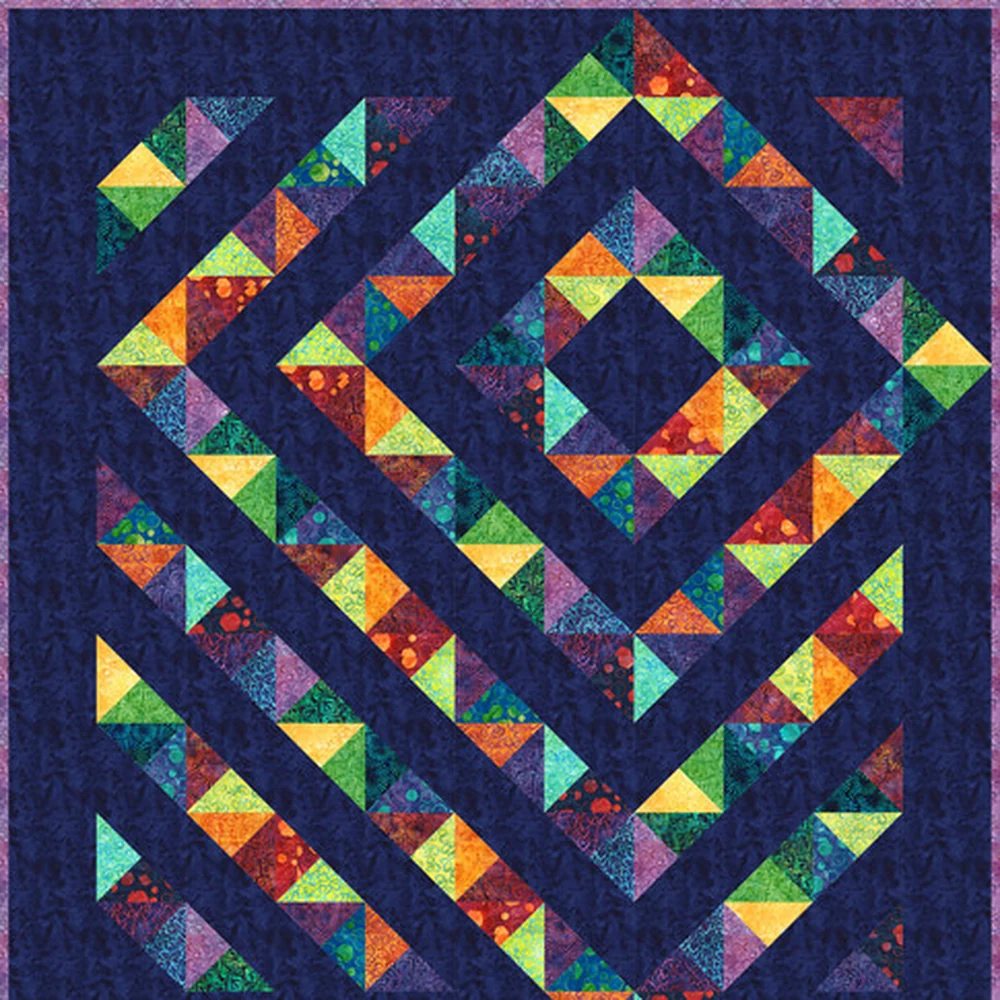
Starting from a charm pack, that little bundle of precut squares, takes almost all the decision-making out of a four patch quilt, since your color palette has already been chosen for you. It is such a relaxing way to sew, honestly, no fabric shopping, no swatching, just pairing squares and stitching.
A finished top this size makes a lovely companion piece to hang alongside mini quilt wall hangings if you want your sewing room to feel a little more like a gallery.
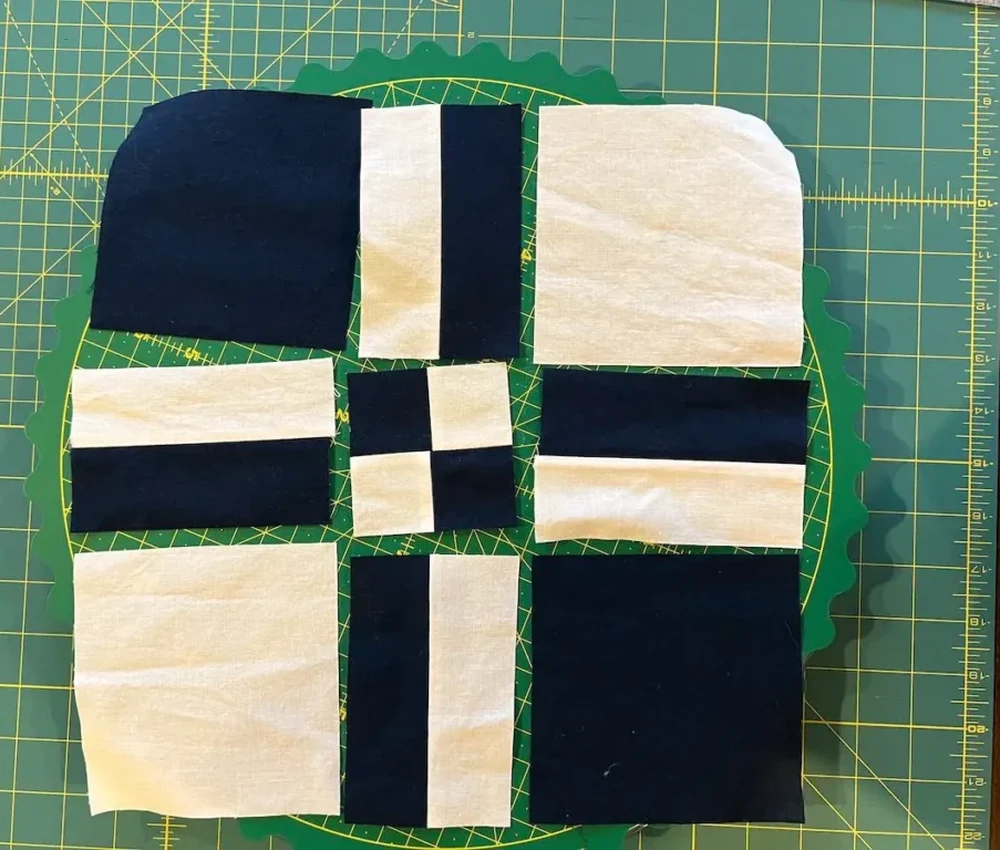
5. Disappearing Four Patch Quilt Block
Skill Level: Confident beginner
Time to Make: A weekend
Here is where things get genuinely fun. You sew a plain four patch, then cut it apart and rearrange the pieces, and suddenly a simple grid turns into something with real movement and complexity. Marking your cut lines clearly before you slice into a finished block saves you from the one mistake you truly cannot undo.
That same thrill of transforming something ordinary into something unexpected runs straight through bargello quilt patterns too, if this kind of reveal is your favorite part of quilting.
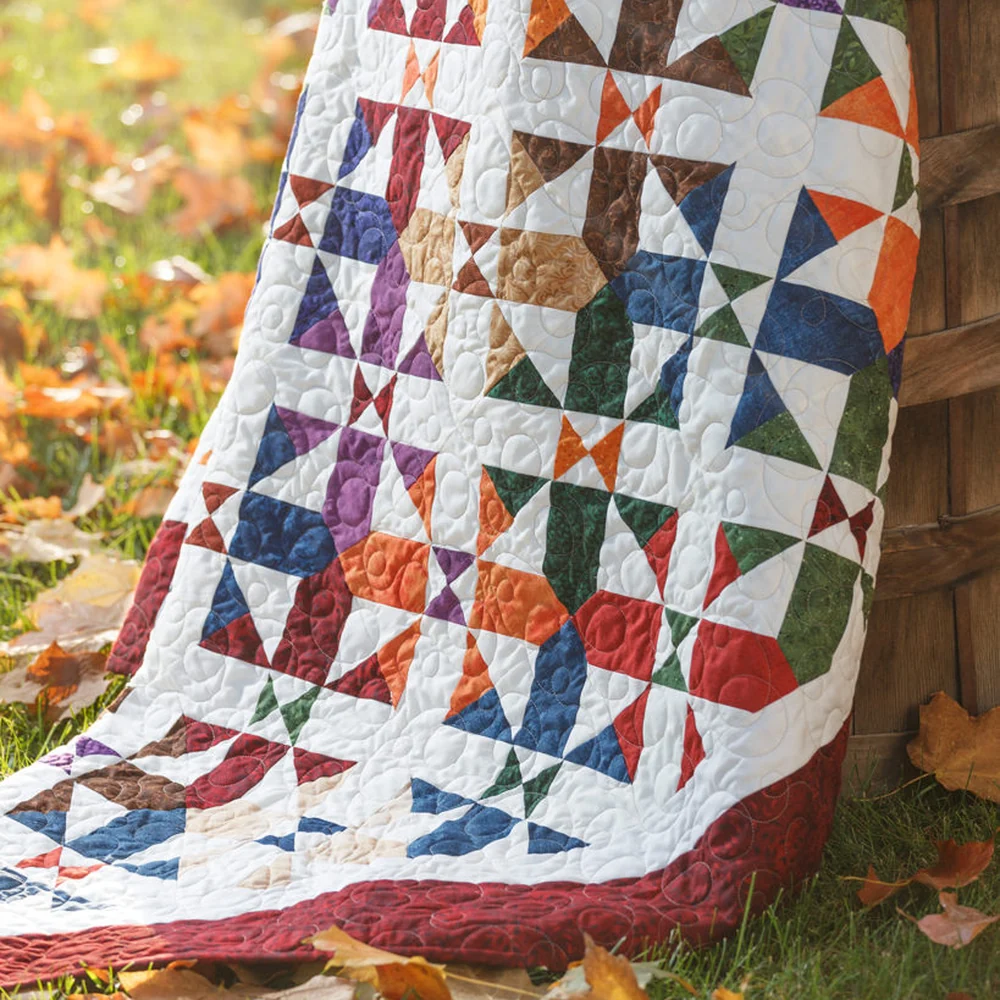
6. East Four Patch Weave Quilt Pattern
Skill Level: Intermediate
Time to Make: A weekend
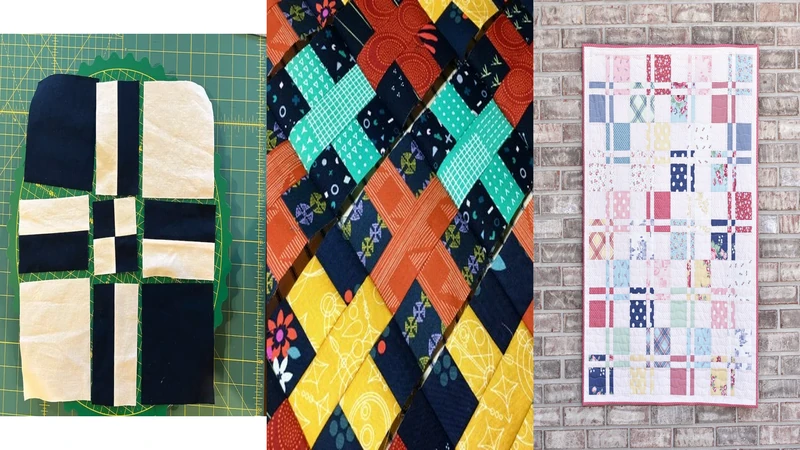
Alternating your four patch blocks in a specific rhythm creates a woven, basket-like illusion across the whole top, even though every piece underneath is still just a simple square. Getting that woven effect to read clearly depends almost entirely on keeping your value contrast consistent, light staying light and dark staying dark throughout.
Quilters who enjoy that kind of classic, structured look often gravitate toward Ohio Star quilt patterns next, since both lean on precise, repeating geometry.
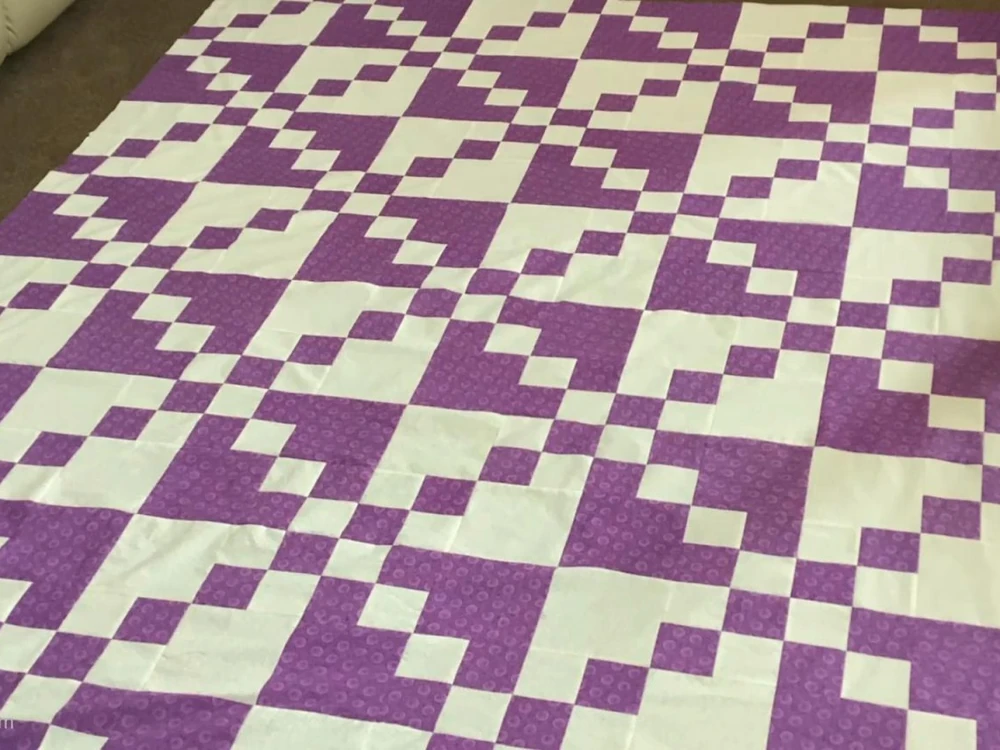
7. Double Four Patch Quilt Easy
Skill Level: Confident beginner
Time to Make: A weekend
This version nests a smaller four patch inside a larger one, which sounds complicated written out but is really just the same block made twice at two different scales.
Sewing the small version first and treating it as one giant square in the bigger block keeps the whole process from ever feeling overwhelming. A finished top this graphic looks wonderful trimmed down into something smaller too, the same precise piecing that makes quilted table runner patterns is such a satisfying way to use leftover blocks.
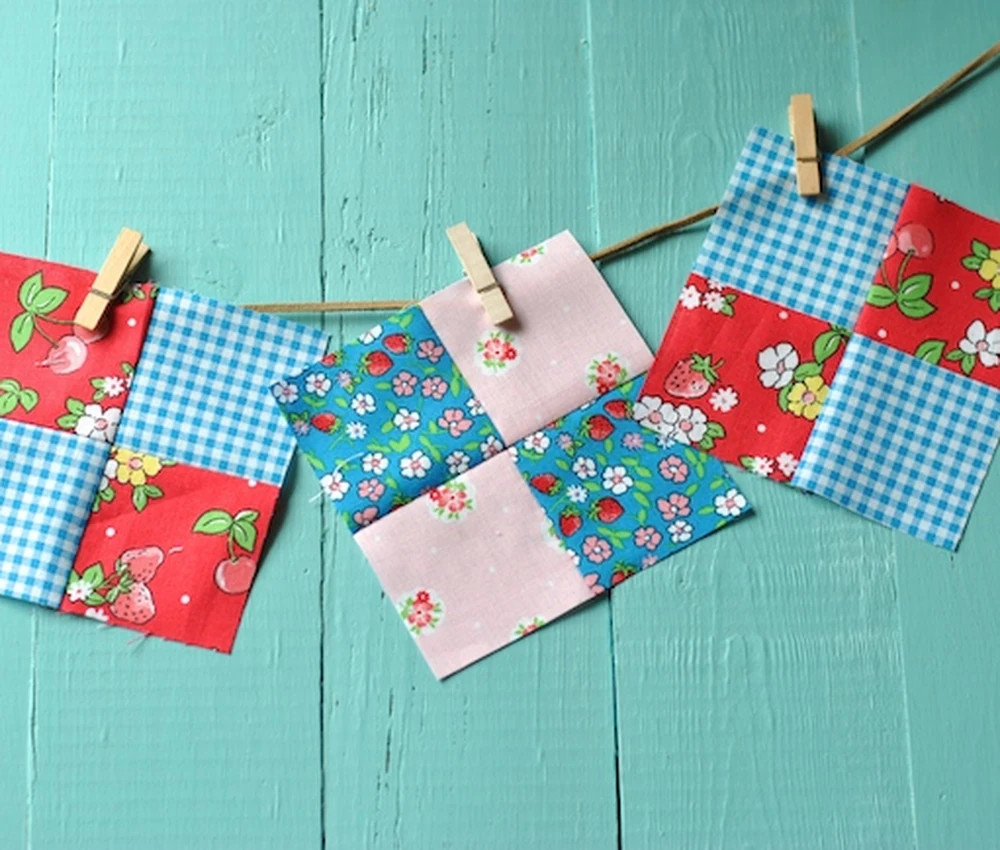
8. Sew a Four Patch Block from Two Precut Squares
Skill Level: Beginner
Time to Make: A few hours
This method skips a step most tutorials assume you need, cutting your own squares, by starting from two precuts already sliced in half diagonally. It genuinely feels like a shortcut once you try it, since half the cutting work simply disappears.
Any little offcuts left over from trimming are worth saving too, since scraps this size turn beautifully into something like quilted lunch bag patterns instead of sitting in a bin.
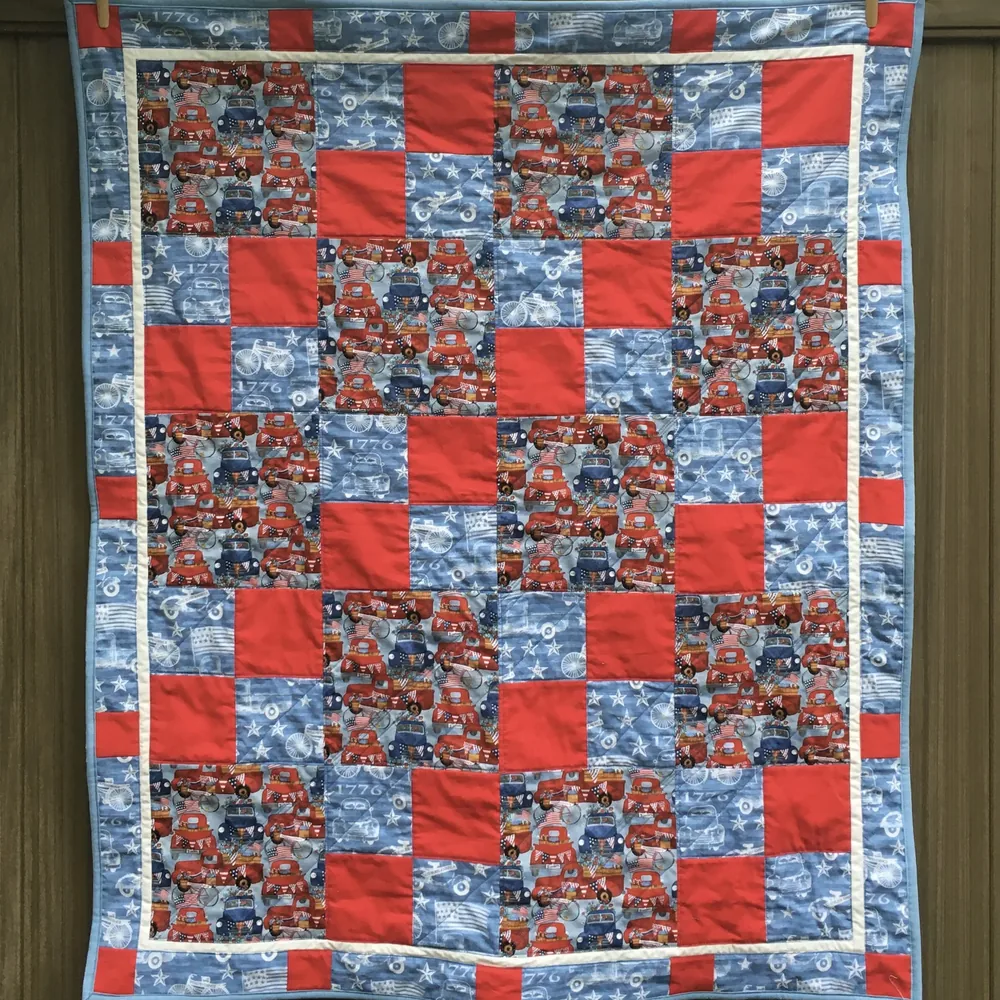
9. Four Patch Quilt 4th of July Inspired
Skill Level: Beginner
Time to Make: A weekend
Swapping in a patriotic palette turns this same humble block into something perfect for a summer backyard gathering, and honestly, bold red, white, and blue fabric makes even the simplest four patch feel intentional and festive.
That same appreciation for a graphic, everyday useful project carries over nicely into something like quilted laptop sleeve patterns too, where a few leftover squares protect something you actually use daily.
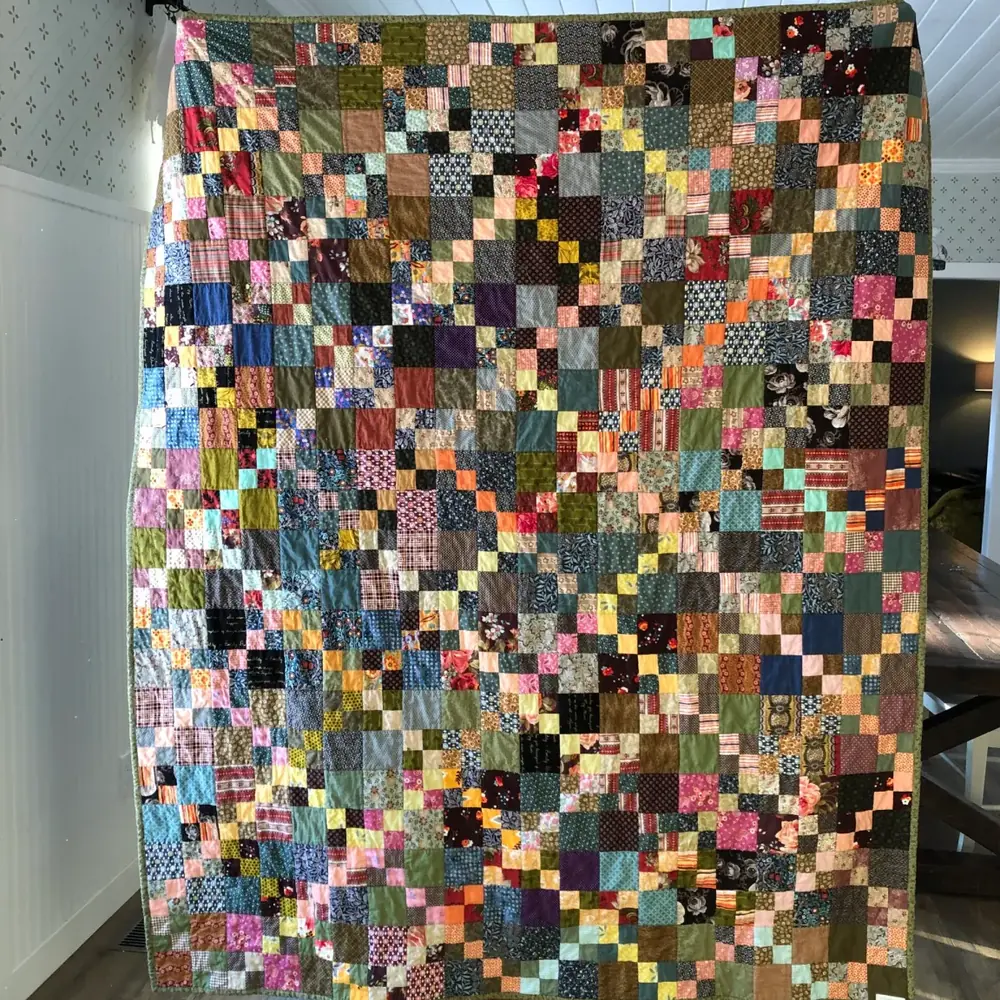
10. Double Four Patch Quilt Pattern
Skill Level: Confident beginner
Time to Make: A weekend
If the nested version above appealed to you, this is another lovely take on that same layered idea, proving there is genuinely more than one way to build a four patch within a four patch. Keeping your seam allowance scrupulously consistent matters more here than in the simple version, since any drift gets multiplied once you are nesting one block inside another.
If geometric piecing like this is not quite your style, french roses quilt patterns offer a softer, floral way to work through your stash instead.
A Few Things Worth Knowing Before You Start
Pressing your seams in opposite directions from row to row, so they nest together snugly when you join everything, is the single habit that makes four patch corners meet up cleanly instead of fighting each other under the needle.
A good overhead light changes more about your accuracy than most quilters expect, and an LED sewing lamp clipped right over your workspace makes it far easier to see exactly where your seam allowance sits.
If floral, romantic designs appeal to you between batches of straight-line piecing, French roses quilt pattern ideas are a lovely palette cleanser, and leaning into a seasonal color story, the kind covered in these festive fall sewing ideas, is a fun way to keep a simple block feeling fresh throughout the year.
Keeping your spools organized on a thread rack saves real time once you start color matching across several different four patch projects, and a reliable spool of silk finish cotton thread keeps those many repeated seams looking tidy and consistent.
Common Four Patch Mistakes to Avoid
Rushing a batch of blocks together for a gift deadline is the classic trap, and it is not unique to any one occasion. People make this mistake constantly trying to finish something sweet and seasonal in time, the same last-minute scramble covered in these quilted puppies patterns if a pet lover’s birthday has ever snuck up on you.
Skipping a bit of basting spray before sewing slippery or oddly cut pieces together is another easy one to overlook, and a light mist of temporary fabric adhesive genuinely prevents a lot of mid-seam shifting. Pressing your intersections with a seam roller instead of an iron also flattens bulky four-patch centers without the risk of stretching your fabric out of shape, and a pair of quilting gloves gives you a better grip for guiding all those seams through the machine evenly.
If you are falling for simple shapes with a lot of heart behind them, you will love browsing these heart quilt patterns next.