Few blocks teach real piecing accuracy faster than a pinwheel, which is probably why so many quilters end up making one before almost anything else. These free pinwheel quilt patterns for beginners take that same spinning block and stretch it into a dozen different looks, from soft baby quilts to bold graphic throws. You get quick math, forgiving fabric requirements, and a technique that only gets more satisfying the more you practice it. Pick a project below and let those points start spinning.
Things You’ll Need
- Rotary cutter with a self-healing cutting mat
- High-quality cotton fabric bundles
- Acrylic quilting rulers for precise shapes
- Sewing machine with quilting foot attachment
- Soft batting for a cozy finished feel
Pinwheel Quilts You Can Start This Weekend
Looking for the pattern or tutorial? You’ll find the source link right below each image. Some featured projects are shared for inspiration, so not every image includes a step-by-step tutorial!
1. Disappearing Pinwheel Quilt
Skill Level: Confident beginner
Time to Make: A weekend
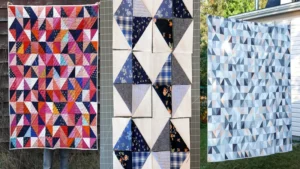
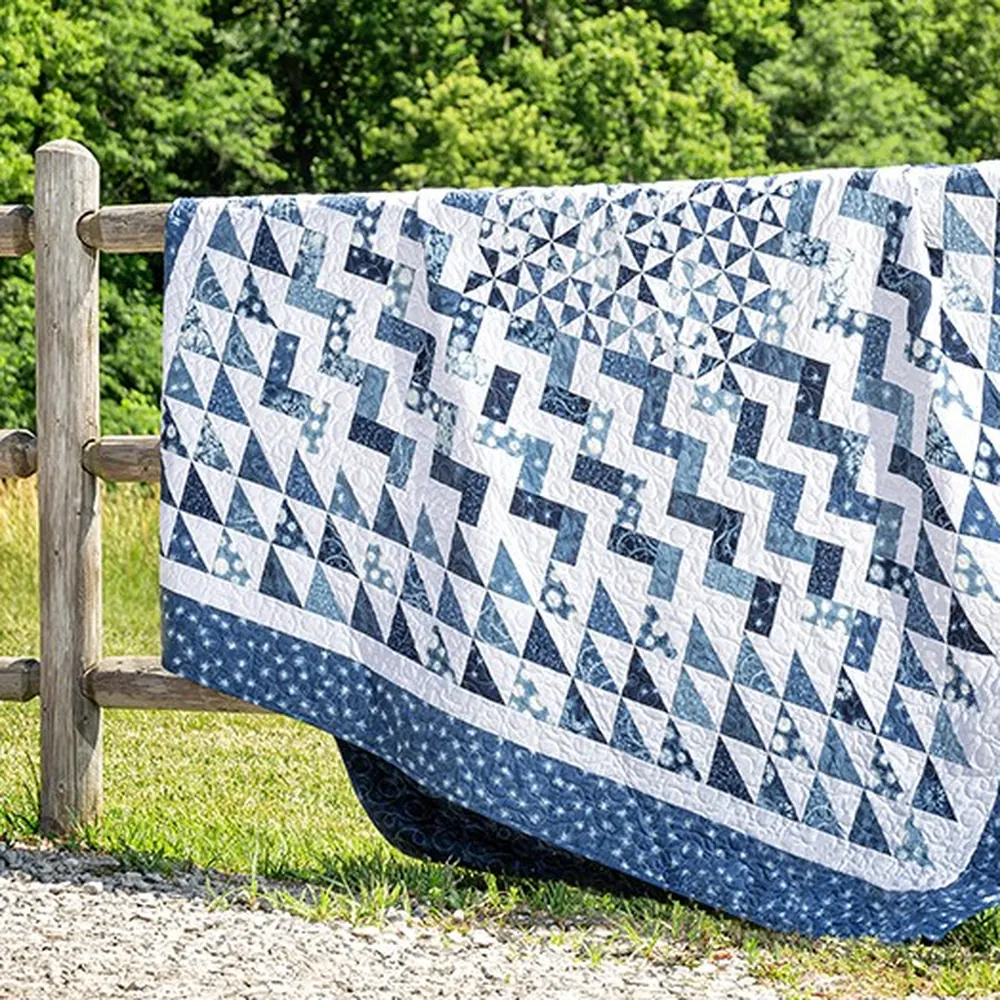
Cutting a finished pinwheel block apart and resewing the pieces sounds like it should ruin all your hard work, but it actually opens up a whole new shape hiding inside the original block.
You can do this with almost any pinwheel once you get comfortable with the base block, and it never looks like the same project twice depending on how you rotate the cut sections.
Here’s what we recommend doing before you slice into anything: lay the block out and picture the new arrangement first, since cutting on the wrong line is the one mistake that cannot be undone.
2. Classic Pinwheel Quilt Block
Skill Level: Beginner
Time to Make: A few hours
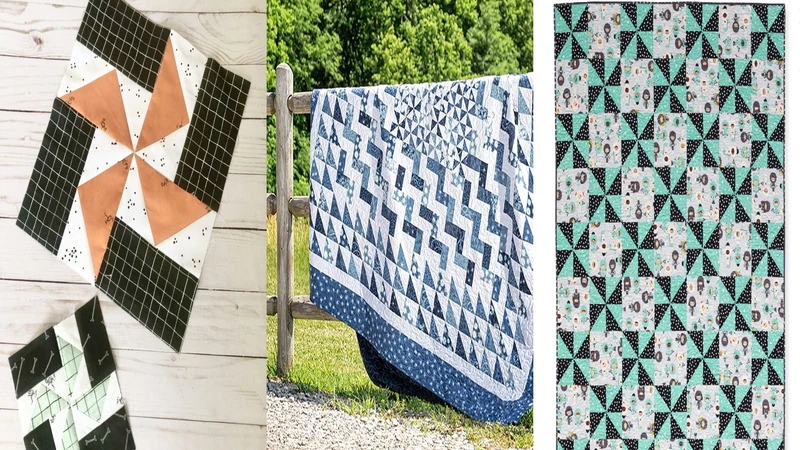
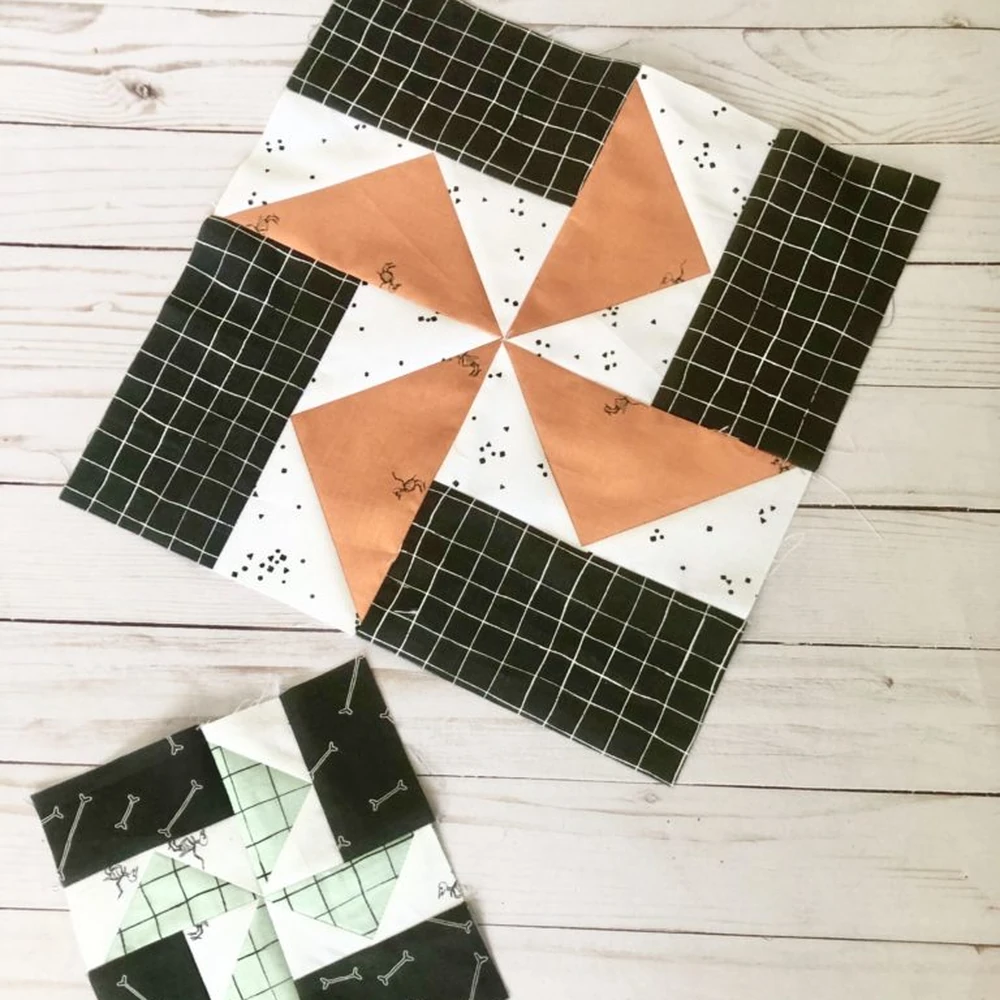
Four half-square triangles rotated around a shared center point make up this block, and it teaches seam matching faster than almost anything else a new quilter will sew. Sewing a scant quarter-inch seam instead of a true quarter inch matters more here than in most blocks, since that small difference is exactly what keeps your points from getting swallowed up once everything is pressed.
You can do this well on your very first try by pressing each triangle unit flat and letting it cool before it touches another seam, since a warm seam stretches out of shape far too easily.
3. Easy Beginner Pinwheel Quilt
Skill Level: Beginner
Time to Make: One afternoon
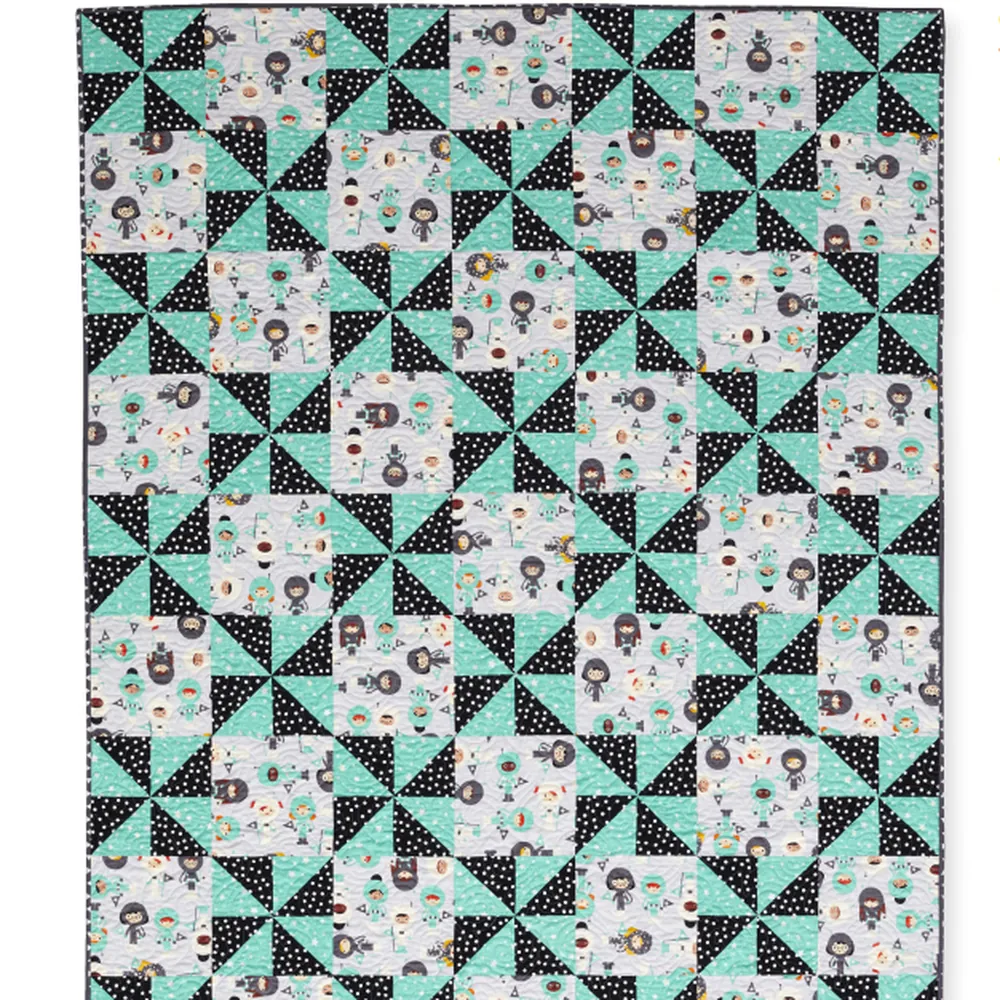
Sticking to one consistent block size across the whole top removes most of the guesswork that trips up first time quilters, which makes this version such a forgiving place to start.
Smaller finished blocks like these also happen to be the right scale for gifting, and the same easy math shows up again in these baby shower quilt patterns if a nursery gift is on your list this year.
Once a top this size comes together, quilting it in one sitting is easy too, and it doubles nicely as a quilted table runner pattern-sized project if you would rather keep it small.
4. Prairie Point Pinwheel Quilt
Skill Level: Intermediate
Time to Make: A weekend
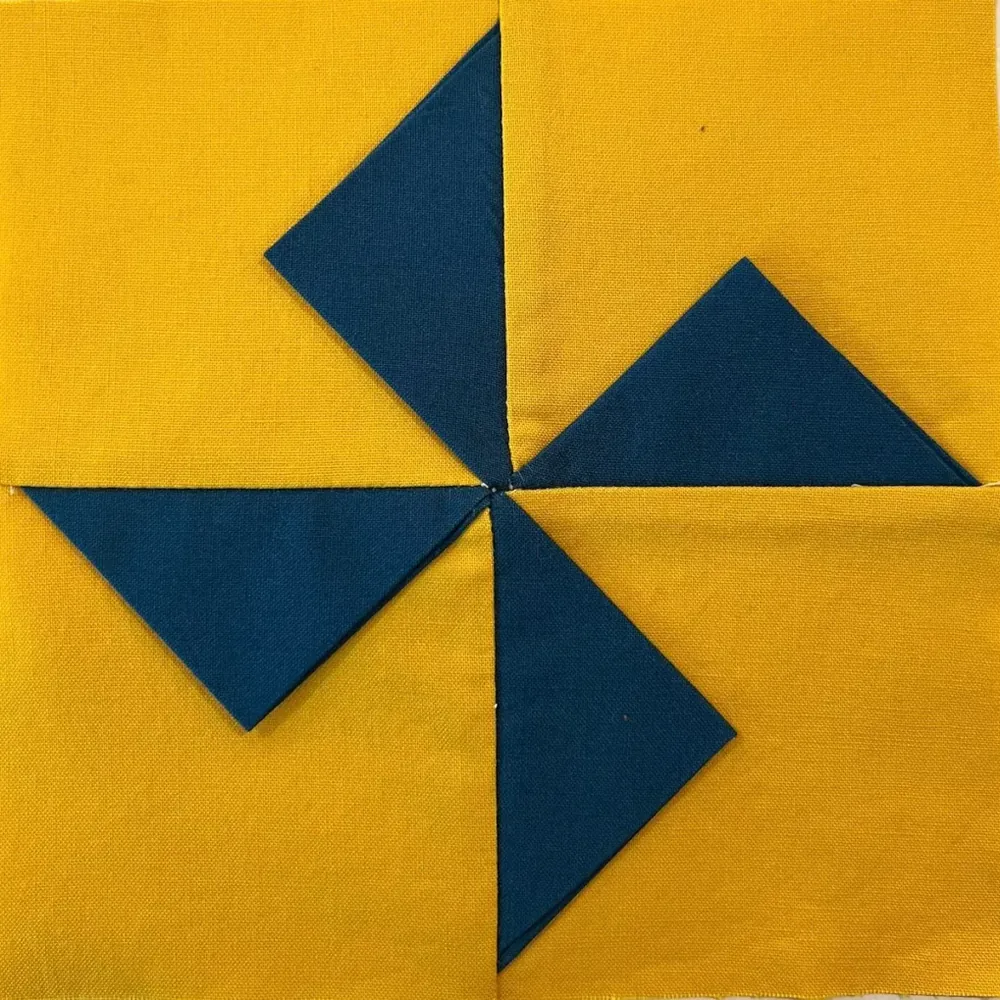
Folding small squares into triangles and tucking them into a seam gives this pinwheel a raised, three-dimensional edge that a flat block simply cannot match. Each prairie point needs to be pressed and folded with real precision, since even a slightly uneven fold throws off the spacing once you have dozens of them lined up along a border.
That same dimensional trick works beautifully in a lot of seasonal sewing too, and you will notice it again in these patriotic quilt block patterns if folded fabric accents are your thing.
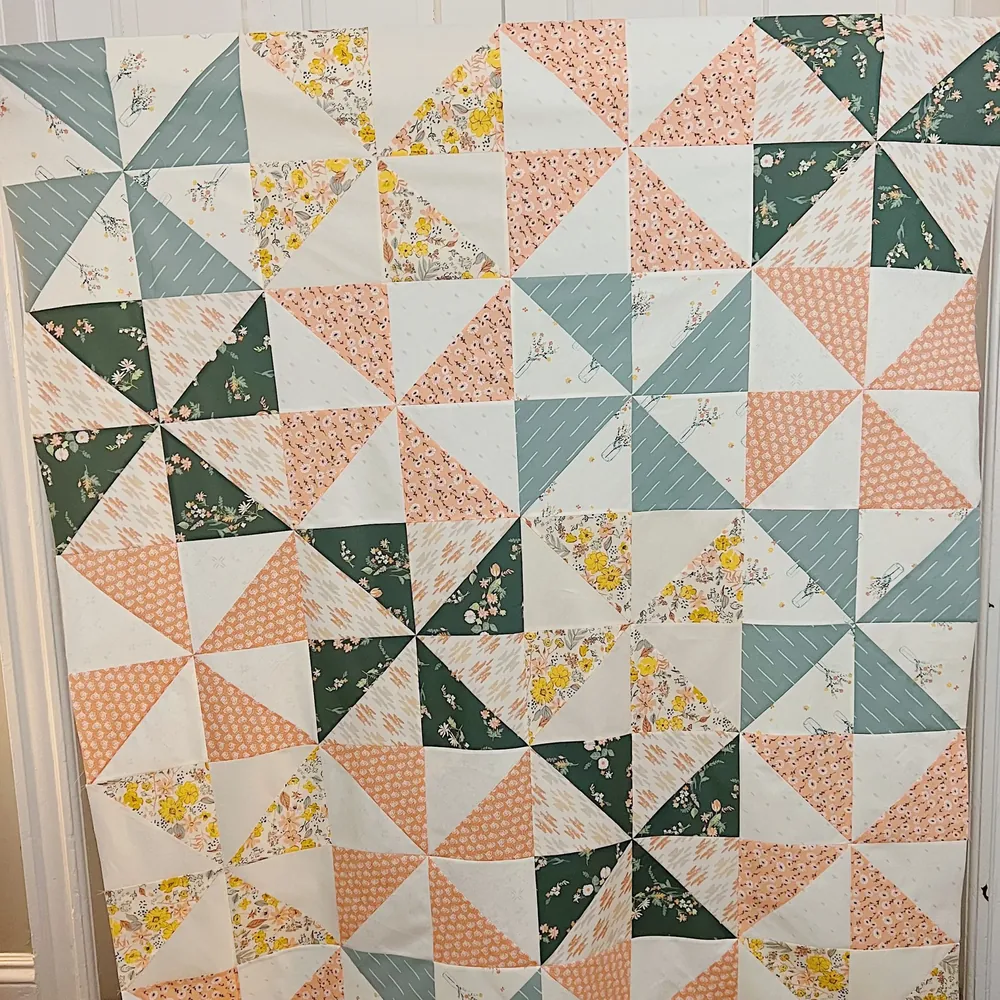
5. Simple Pinwheel Quilt Tutorial
Skill Level: Beginner
Time to Make: One afternoon
Bigger blocks cut from bigger squares turn this into one of the fastest pinwheel projects you can finish, since fewer, larger pieces mean far less time spent squaring up tiny triangles.
Here’s what you should do if your stack of fabric feels a little plain, borrow the idea from star flower quilt block projects and let one bold novelty print anchor each block instead of scattering several prints evenly.
A layout this simple also plays really well with playful themes, the same way cute animal quilt patterns lean on a handful of fun prints rather than a complicated palette.
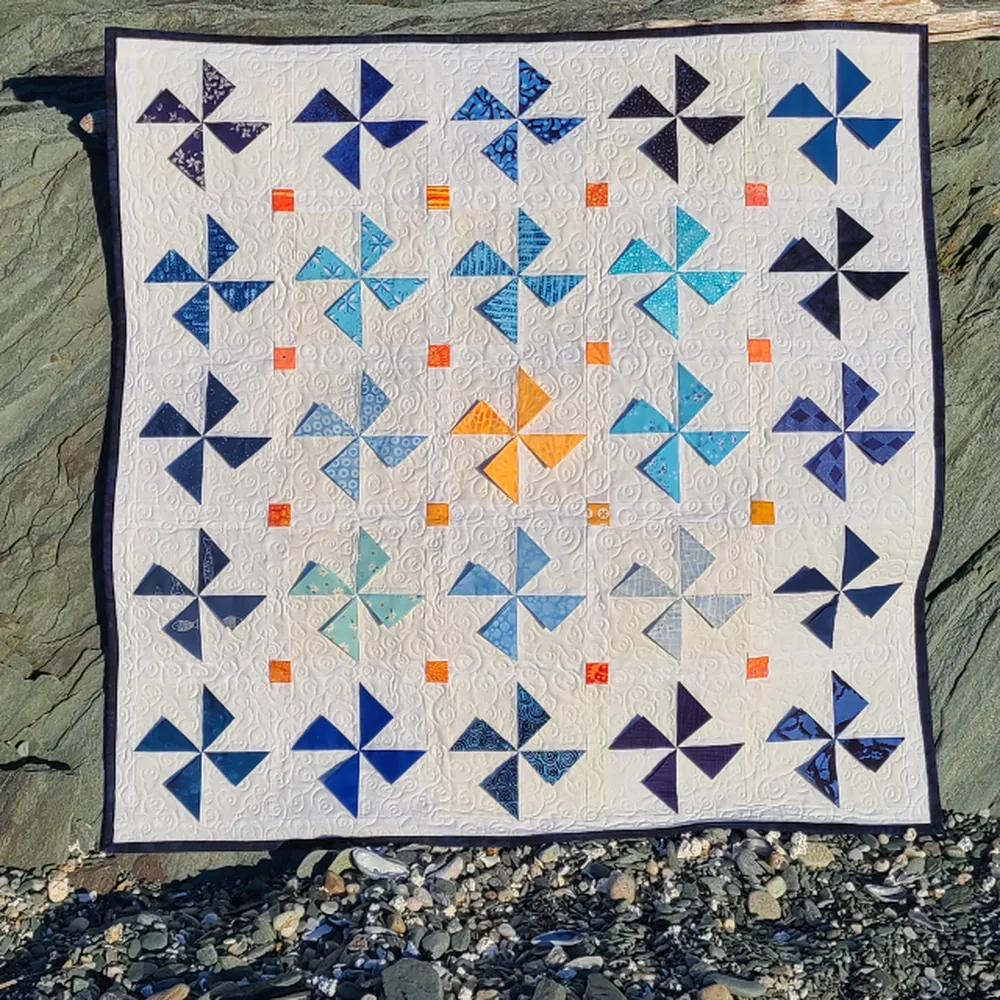
6. 3D Prairie Point Baby Quilt
Skill Level: Intermediate
Time to Make: A weekend
Scaling prairie points down for a crib-sized project changes the math more than people expect, since smaller folds need a slightly deeper seam allowance to stay secure through repeated washing.
Soft, low-contrast colors tend to suit a baby quilt far better than the bold combinations that work for a lap quilt, so this is a nice place to practice a gentler palette. If nursery themes are what you are after, this pairs naturally with something from these ocean animal quilt patterns for a soft, textured baby gift.
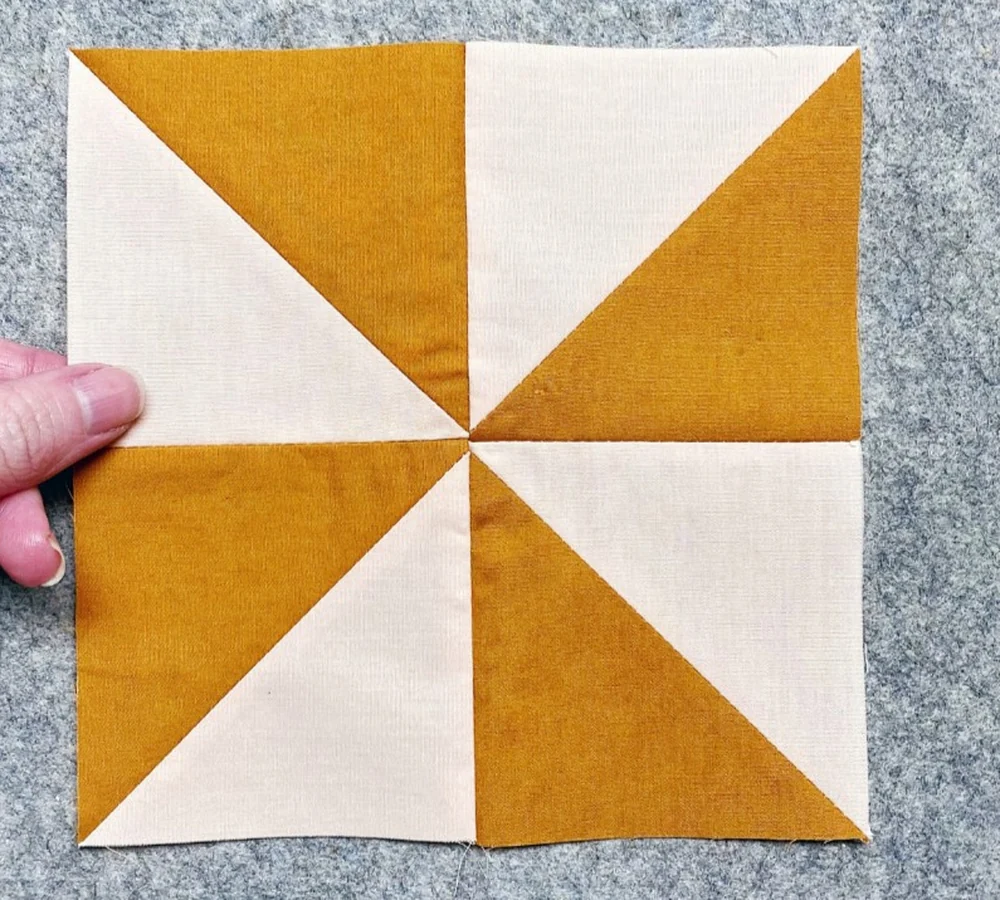
7. Multi-Size Pinwheel Quilt Block
Skill Level: Confident beginner
Time to Make: A weekend
Learning to resize a pinwheel block on your own opens up a lot more than one quilt, since the same formula scales down for tiny accent projects or up for a full-sized bed quilt without changing the construction steps at all.
Smaller versions of this block use up scraps that would otherwise sit in a bin forever, and they show up again nicely in quilted car trash basket projects if you want something quick between bigger builds.
Larger versions, on the other hand, share the same bold visual energy you will find in pretty bird quilt patterns.
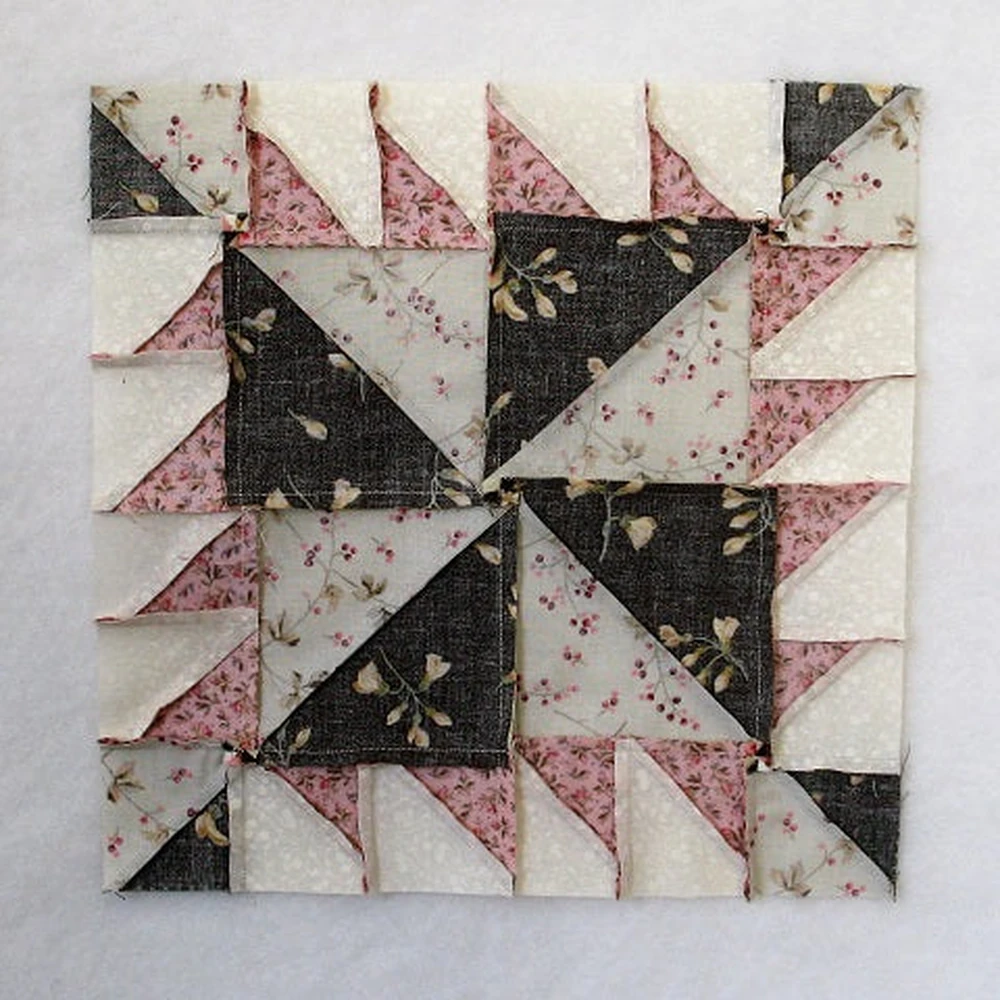
8. Traditional Sawtooth Pinwheel Block
Skill Level: Intermediate
Time to Make: A weekend
This is the pinwheel in its oldest, most classic form, and it has stayed popular for generations because the construction is genuinely simple once the half square triangles are trimmed dead accurate.
Spinning the seams at the center point instead of pressing them all one direction flattens out the bulk that normally builds up where eight seams meet, and it leaves a tidy little pinwheel pressed into the back of the block as a bonus. That same appreciation for a well-pieced traditional shape carries over into beautiful iris quilt patterns for anyone drawn to heritage style blocks.
9. Shuffle Pinwheel Quilt
Skill Level: Confident beginner
Time to Make: A weekend
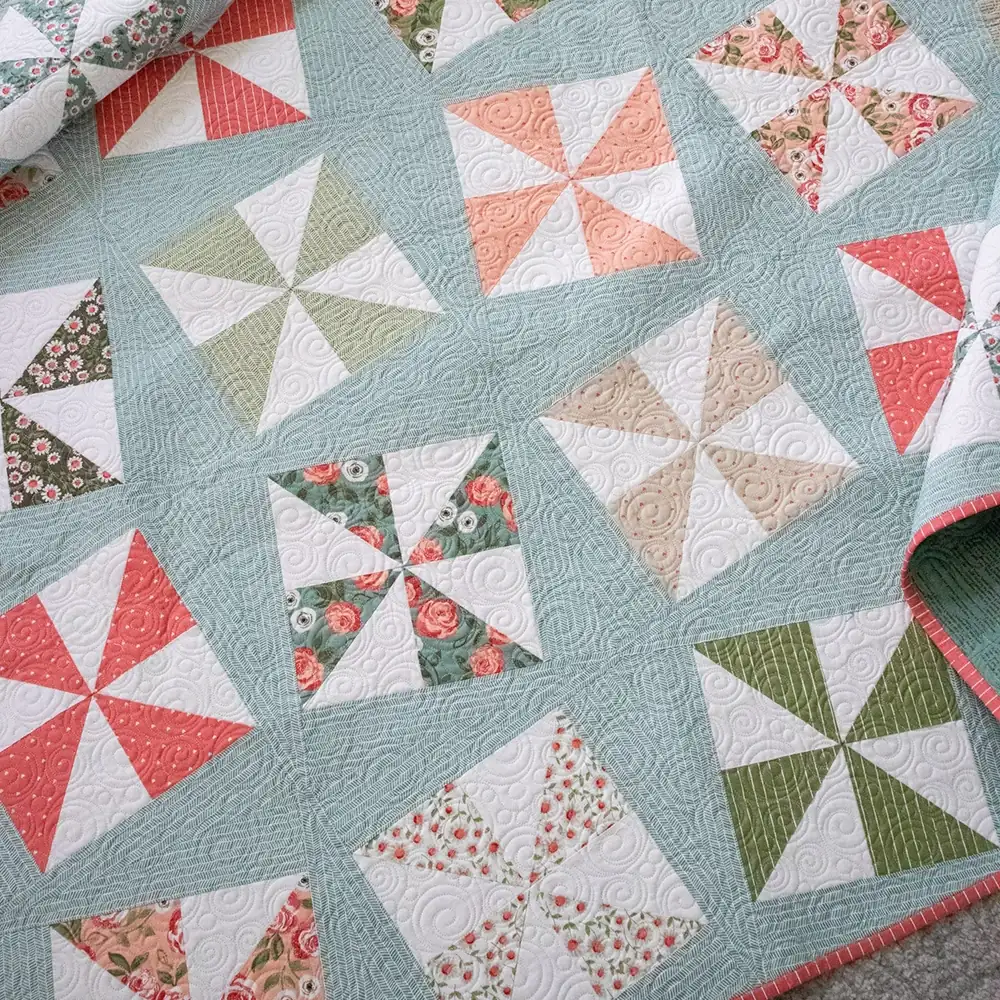
Shuffling the fabric placement between blocks instead of repeating the same two colors throughout keeps a simple pinwheel layout from feeling flat or predictable across a full-sized top. Laying every block out on a design wall before sewing rows together makes it much easier to catch a color cluster before it becomes permanent.
Once the top is finished, any leftover triangle scraps are worth setting aside, since they work especially well in quilted handbag patterns if you like giving your offcuts a second life.
Little Extras That Make Pinwheels Spin Right
Sorting your fabric by value before cutting a single triangle saves real frustration later, and it makes every pattern above easier to plan with confidence once you can see which prints will read light, medium, or dark once they are pieced. If pinwheels have you hooked on precision blocks, you might also enjoy working through these temperature quilt patterns next.
Keeping a pin pushed straight through the center point while you nest your seams is one of those small habits experienced quilters swear by, since it stops that middle intersection from shifting the moment the presser foot comes down.
Leftover triangle points and trimmed corners add up fast across a pinwheel quilt, and rather than tossing them, they make a nice starting stash for patchwork quilted bag patterns down the road.
Borders bring their own decisions too, and if plain fabric feels too quiet next to all that piecing, a pieced border inspired by tulip quilt table runner style projects adds a little more visual interest without competing with the pinwheels themselves. Keeping a spool of quality cotton thread matched closely to your background fabric also makes those border seams disappear rather than draw the eye.
Trimming dog ears as you go rather than saving them for the end keeps your workspace clear and your seams easier to match, and a pair of sharp fabric scissors kept right at the machine makes that habit much easier to stick to.
Where Pinwheel Blocks Go Sideways
Flipping just one half square triangle the wrong way is an easy mistake to make, and it turns a pinwheel into a bowtie shape before you even notice, so laying out all four triangles and double-checking their direction before sewing a single seam saves you from unpicking a finished block. The same kind of careful pre-planning matters in seasonal batch sewing too, and it shows up again in these Christmas quilt pattern collection projects where dozens of blocks need to match.
Skipping the trim step after cutting half square triangles is another common one, since triangles almost always shrink slightly once they are sewn and pressed, and a block cut exactly to size beforehand ends up short. Rushing through a big batch of blocks close to a deadline causes the same kind of trouble people run into when finishing these Halloween sewing project ideas at the last minute, and a reliable beginner sewing machine with an accurate quarter-inch foot goes a long way toward avoiding it in the first place.
If all this triangle spinning has you craving another beginner-friendly project, you will love working through these animal applique quilt patterns next.