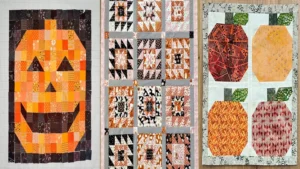
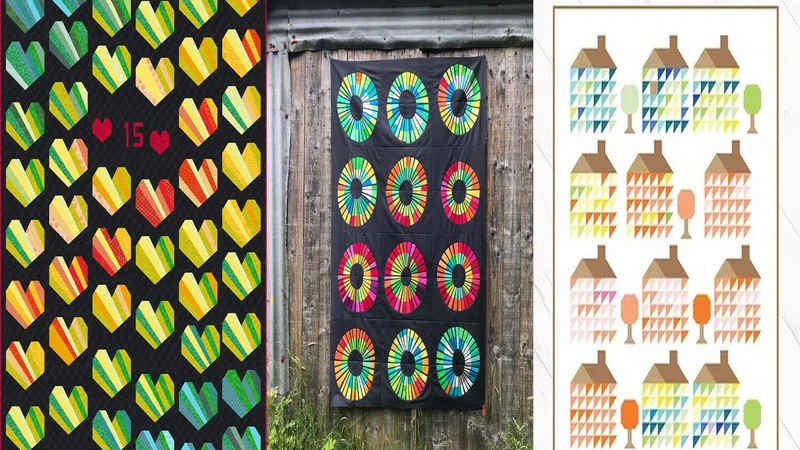
Temperature quilts are a fun way to turn everyday weather data into a quilt you can keep for years. You assign fabric colors to temperature ranges, record the temperature each day, and gradually build rows or blocks that show how the year changed. You can keep the design simple with strips or shapes, or use hearts, cottages, kaleidoscope blocks, and seasonal themes to give your quilt a more personal feel.
Things You’ll Need
- Rotary cutter with a self-healing cutting mat
- High-quality cotton fabric bundles
- Acrylic quilting rulers for precise shapes
- Sewing machine with quilting foot attachment
- Soft batting for a cozy finished feel
Free Temperature Quilt Patterns for Beginners
Looking for the pattern or tutorial? You’ll find the source link right below each image. Some featured projects are shared for inspiration, so not every image includes a step-by-step tutorial!
1. Free Temperature Quilt of Hearts
Skill Level: Beginner
Time to Make: About 8 to 12 hours
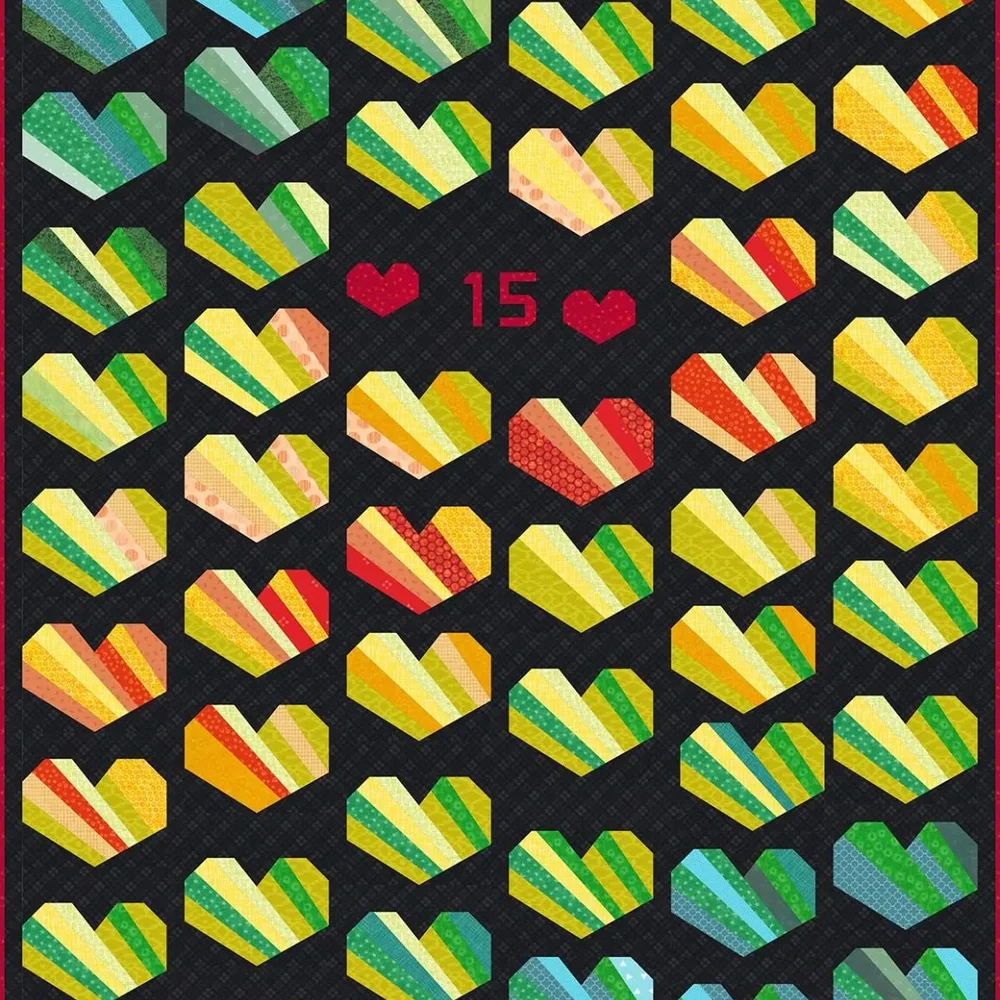
You can turn a year’s worth of temperature readings into a row of colorful hearts with this sweet temperature quilt. Each heart represents a day, with the fabric color determined by the temperature range you record, so the quilt slowly becomes a visual record of the seasons.
You will want to decide your temperature scale before cutting any fabric because changing the ranges halfway through can make the finished quilt harder to read. Keep a small fabric swatch chart with your temperature ranges, and these easy flower quilting ideas can give you more inspiration for working with simple shapes and color.
2. Making a Temperature Quilt
Skill Level: Beginner
Time to Make: About 10-15 hours
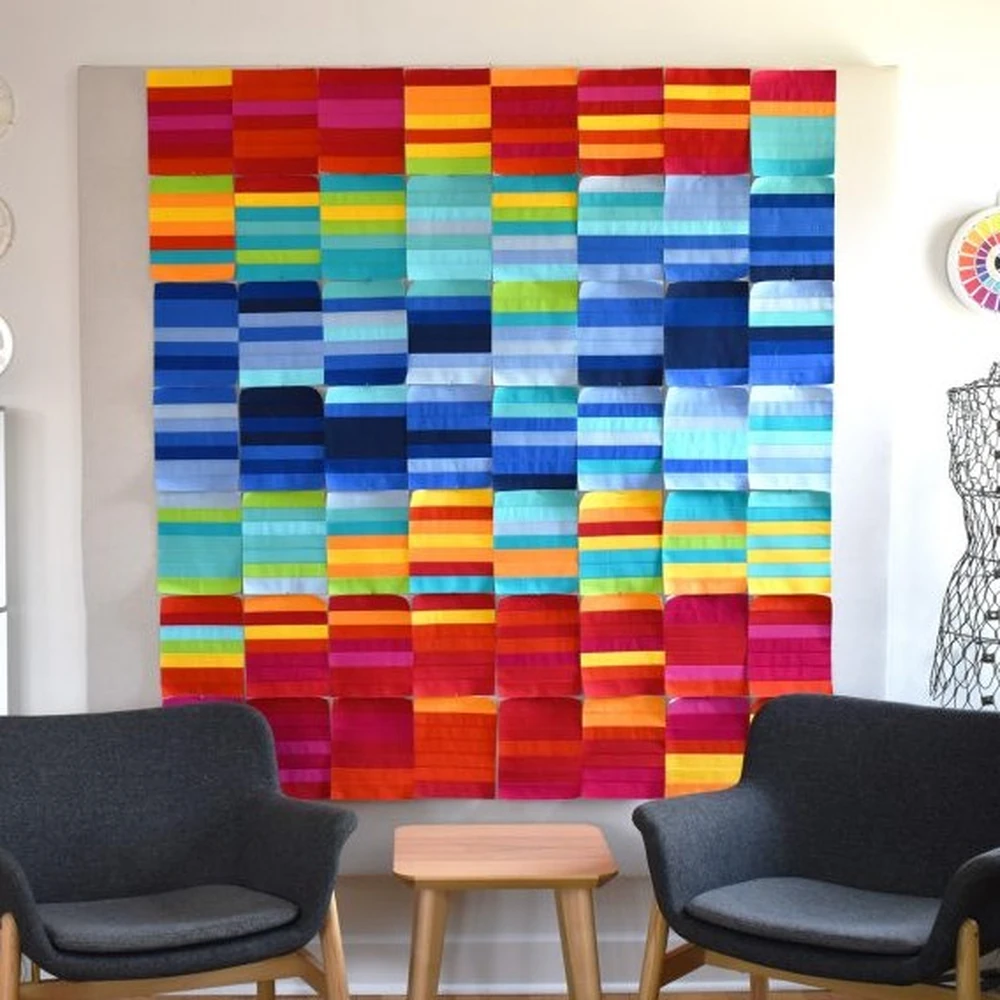
You can use this tutorial as your starting point if you have never made a temperature quilt before. Rather than trying to construct the whole quilt at once, you record your daily temperatures and make small units throughout the year, which makes the project much easier to manage.
The biggest job is keeping your temperature log consistent, so choose one reliable source and stick with the same type of reading. A heat-erasable fabric pen can also help when you need temporary placement marks on your fabric. If you enjoy building quilts from manageable pieces, these miniature quilt patterns are another good place to find small-scale ideas.
3. Temperature Quilt Finish Tutorial
Skill Level: Intermediate
Time to Make: About 4 to 6 hours
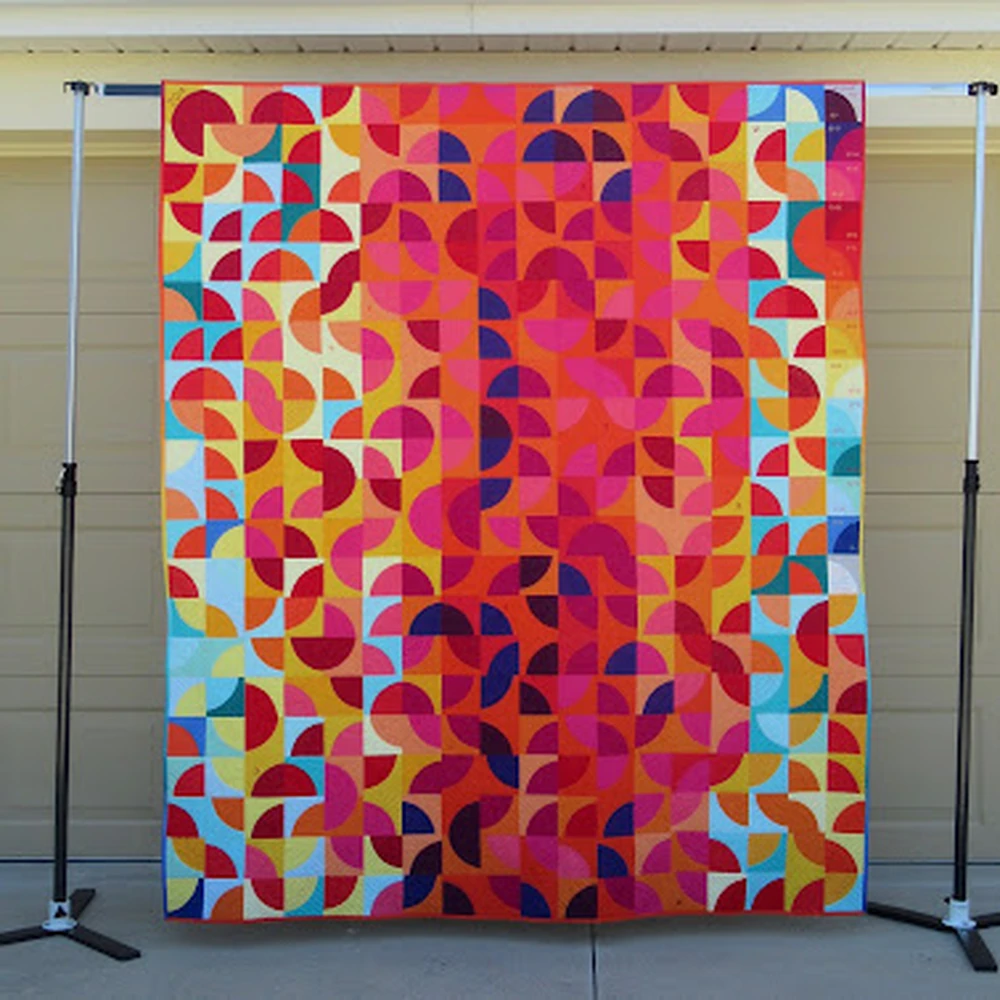
You can use this tutorial once your temperature quilt top is complete and you are ready to turn all those carefully recorded months into a finished quilt. The finishing process is just as important as the daily piecing because a quilt that has been worked on for an entire year deserves a clean, durable finish.
Take your time with basting, quilting, and binding rather than trying to finish everything in one sitting. Your batting choice will affect the final weight and drape, so this guide to choosing quilt batting can help you decide what works best for the size and use of your quilt. A machine quilting thread is also worth considering if you plan to quilt the finished top yourself.
4. Temperature Quilt with Scrap Strips
Skill Level: Beginner
Time to Make: About 6 to 10 hours
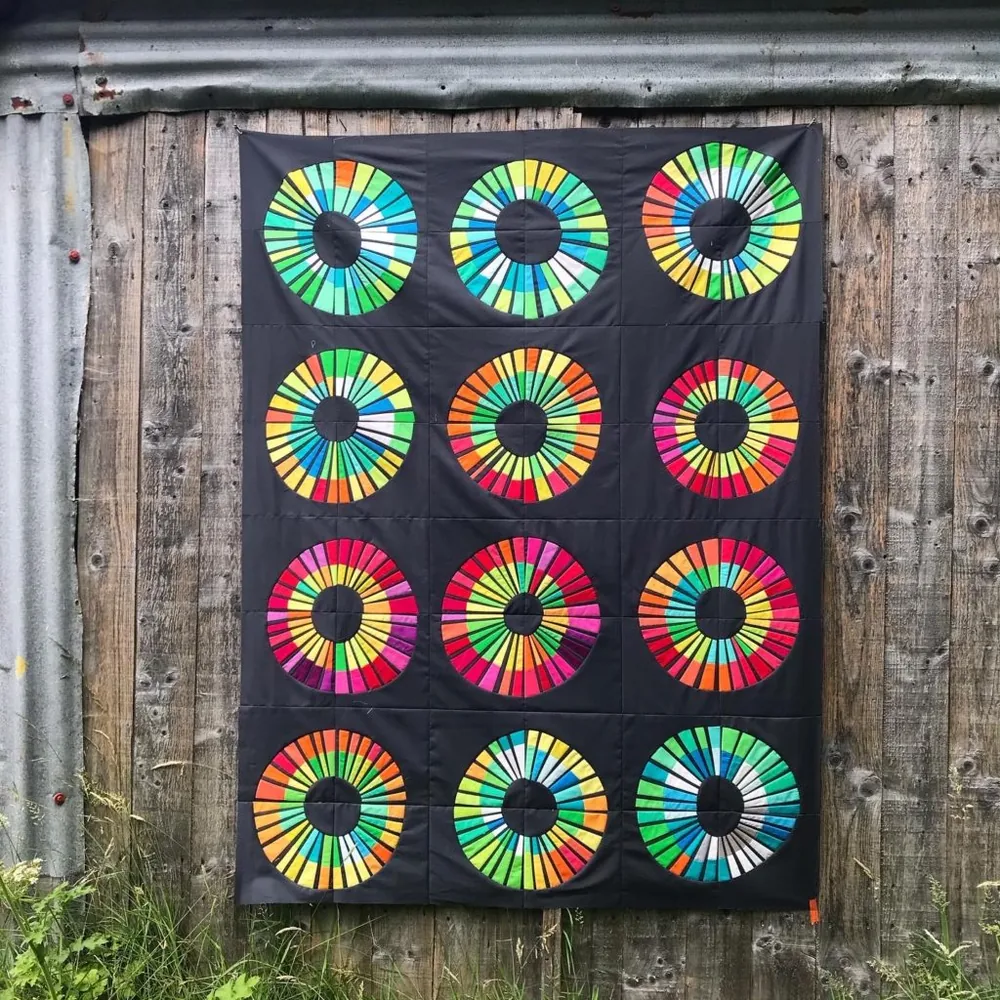
You can make a temperature quilt without committing to complicated blocks by using fabric strips to represent your daily readings. This approach is particularly useful if you have a growing scrap collection because you can cut strips from fabrics that match your chosen temperature scale instead of buying a completely new collection.
Keep the strip width consistent so your rows remain easy to assemble at the end of the year. You can also group your fabrics by temperature before you begin, which makes daily sewing much faster. If you enjoy using leftover fabric in organized ways, these Jelly Roll quilt patterns can give you more ideas for working with long fabric strips.
5. Cottage Temperature Quilt Pattern Free PDF
Skill Level: Beginner
Time to Make: About 8 to 12 hours
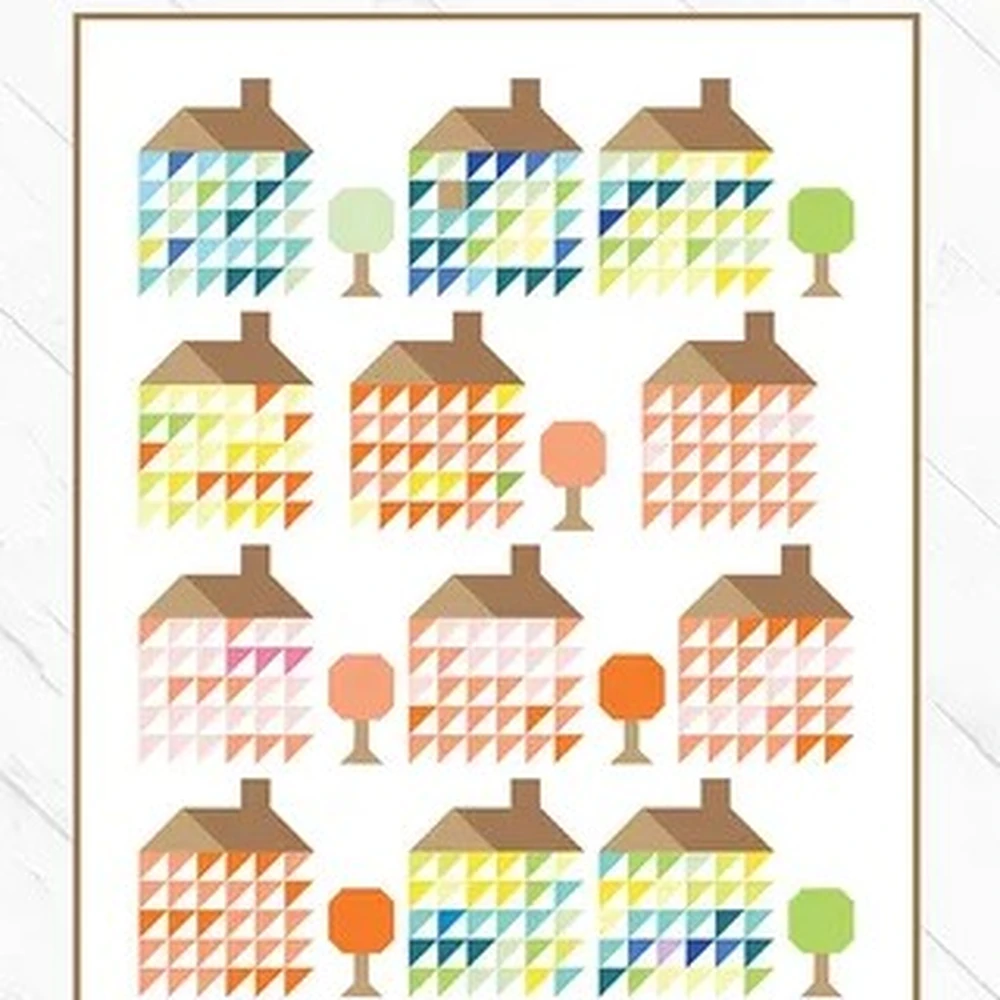
You can combine the familiar temperature quilt concept with a charming cottage block using this free pattern. Instead of making every day look exactly the same, the cottage shape gives the finished quilt a stronger decorative theme, and your fabric colors still record the temperatures throughout the year.
This style works especially well if you want your temperature quilt to feel like a piece of home décor rather than simply a data record. A fat quarter bundle can give you a coordinated starting palette, then you can add individual fabrics for temperature ranges as the year progresses. For another way to build quilts around a clear visual theme, these animal quilt ideas are worth saving.
6. Free Temperature Quilt DIY Pattern
Skill Level: Beginner
Time to Make: About 8-12 hours
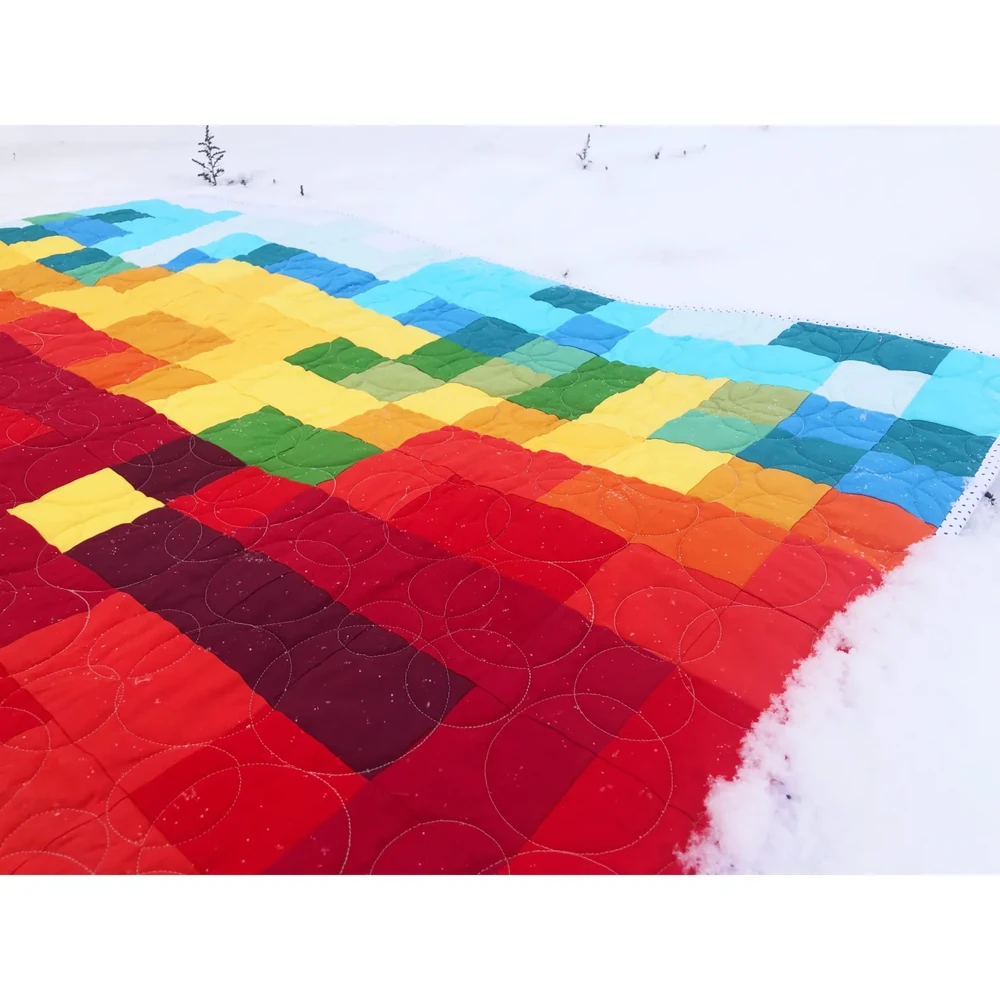
You can follow this DIY approach if you want to build a temperature quilt from scratch and have more freedom over the block shape, color ranges, and layout. It is a good choice when you want the finished quilt to reflect your own climate rather than copying someone else’s exact temperature categories.
Before you cut anything, make a written chart showing every temperature range and its assigned fabric. That chart becomes your reference for the entire project and saves you from trying to remember which blue or yellow represented a particular range months later. If your fabric bin already contains plenty of smaller pieces, these crumb quilt patterns can also help you decide how to use the leftovers.
7. Guide to Making Your Temperature Quilt
Skill Level: Beginner
Time to Make: About 12-16 hours
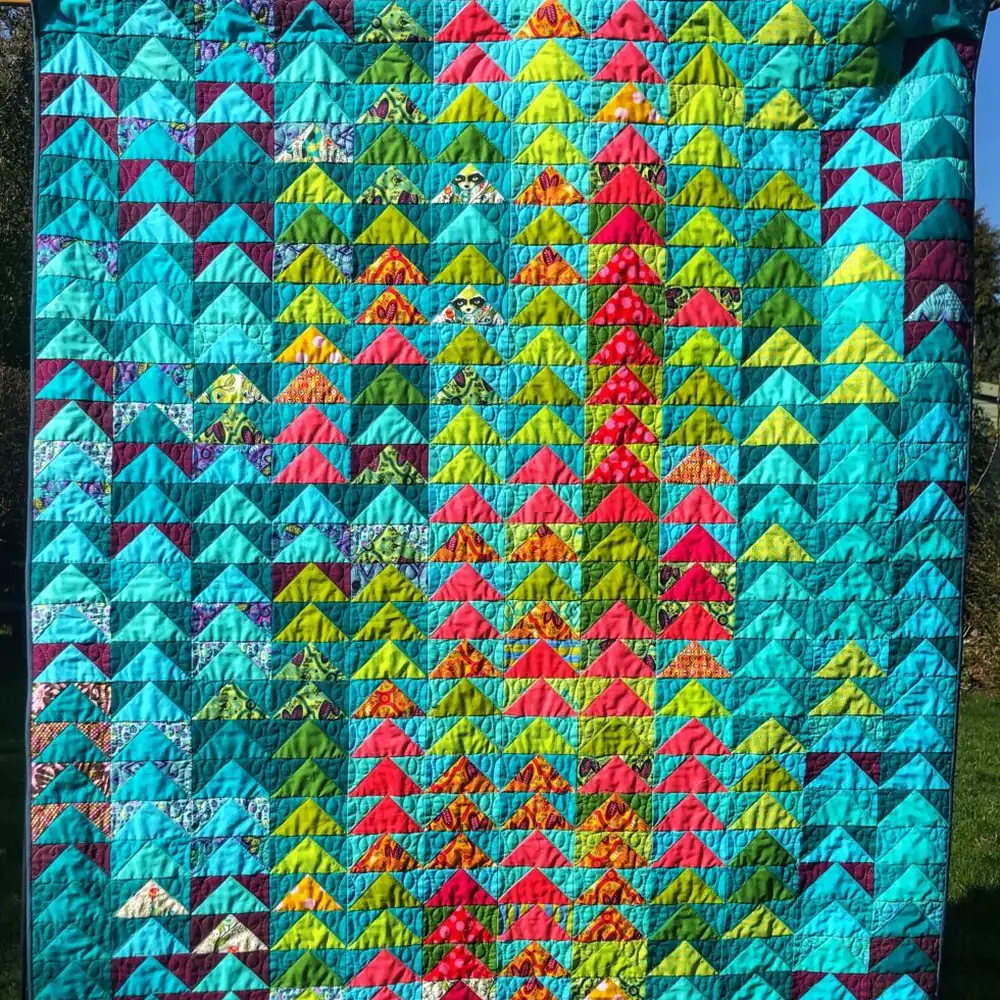
You can use this guide to plan the practical side of a temperature quilt before you begin sewing. It helps you think through your temperature range, color assignments, recording method, and block construction so you have a system in place before the daily data starts piling up.
Do not underestimate how helpful a simple record-keeping system can be. Keep your temperature chart somewhere you will actually use it, and mark each completed day or month so you can quickly spot anything you missed. If you like combining quilting with other detailed needlework, these embroidery fusion quilt patterns offer another way to add personal detail to your projects.
8. Janet Miller’s Kaleidoscope Temperature Quilt
Skill Level: Intermediate
Time to Make: About 10 to 15 hours
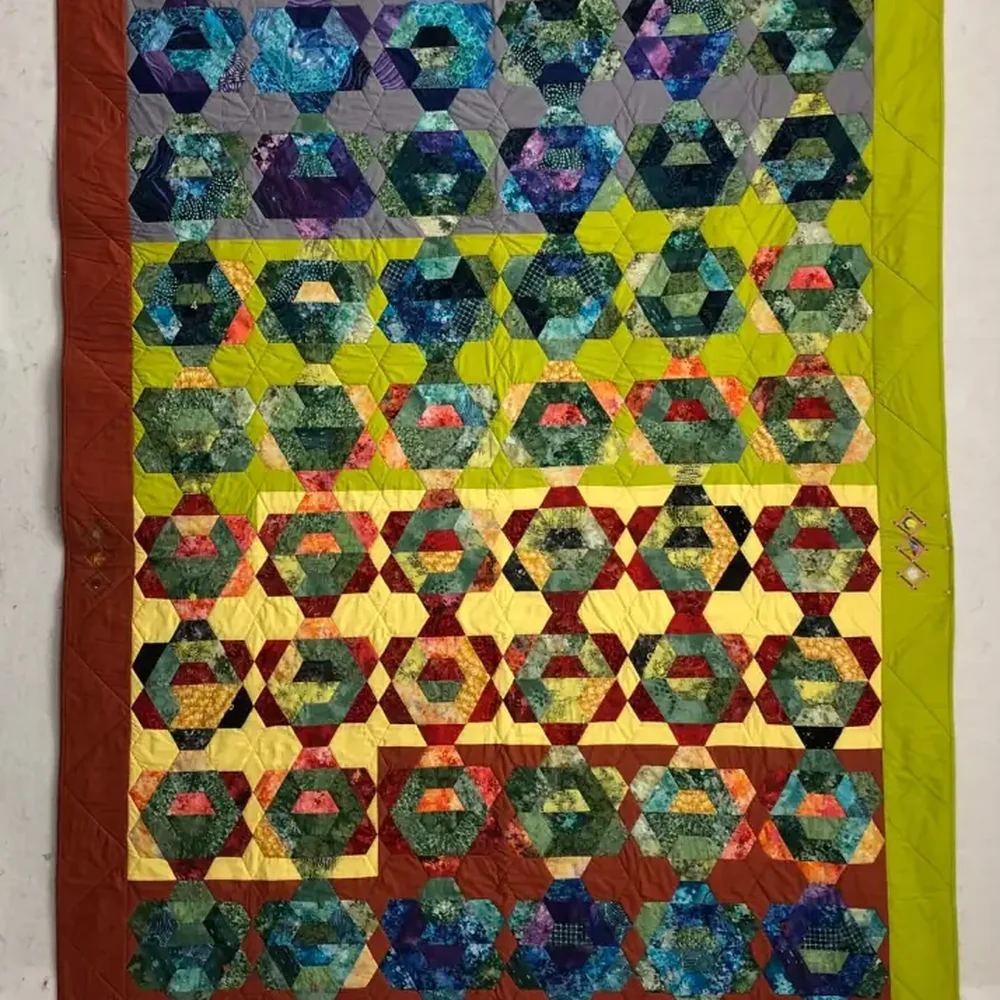
You can use a kaleidoscope layout to give your temperature data a more intricate visual structure. Repeated geometric pieces create movement across the quilt, and the temperature-based fabric changes let the design develop naturally as the year goes on.
Accuracy matters more with this type of block because small cutting differences can become obvious once the repeated shapes are assembled. A quality rotary cutter and a sharp blade will help you keep those repeated pieces consistent. You can also look at these modern quilt patterns for ideas on balancing detailed blocks with plenty of visual breathing room.
9. Temperature Quilt Pattern DIY Quilt-Along
Skill Level: Beginner
Time to Make: About 15-18 hours
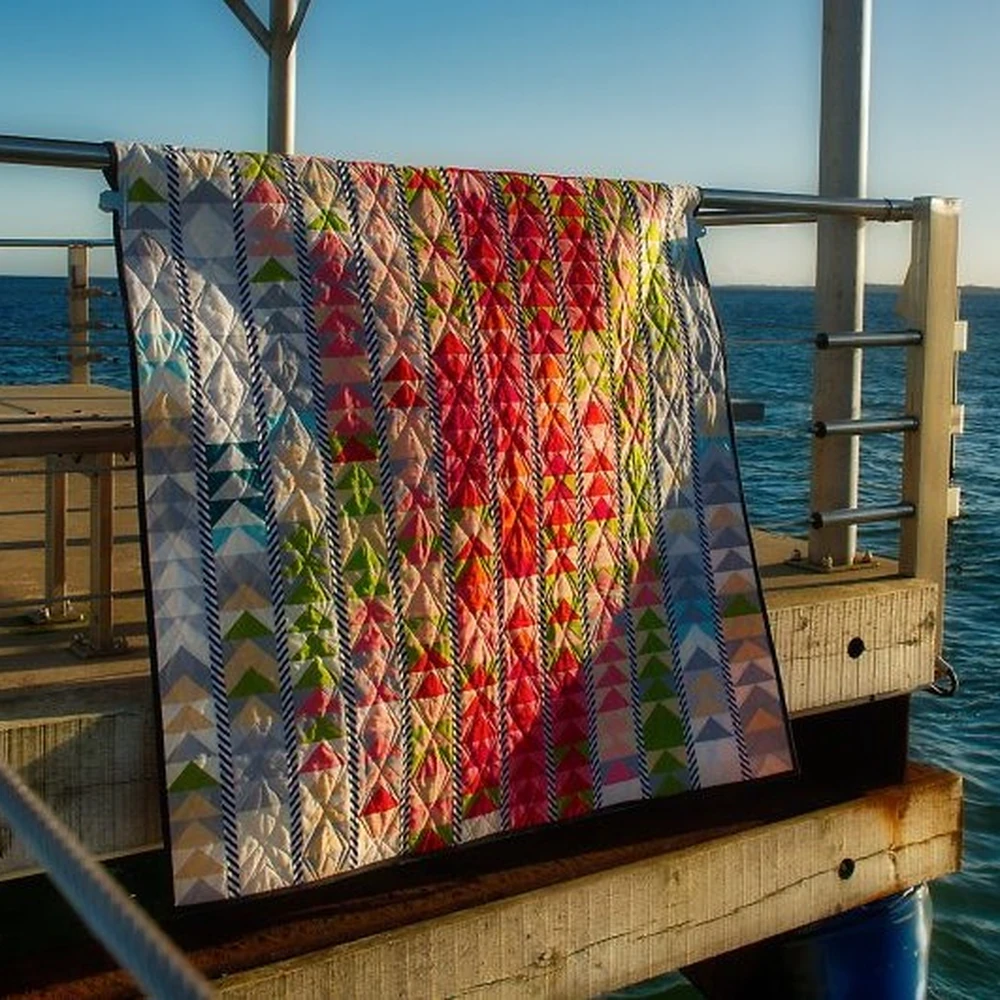
You can treat a temperature quilt as a year-long quilt-along rather than one large sewing project. Working alongside a structured monthly schedule gives you a reason to keep recording temperatures and sewing your blocks before the unfinished pieces begin to pile up.
Set aside a small amount of time at the end of each month to check your temperature records and finish that month’s units. Clover Wonder Clips are useful when you are organizing multiple fabric pieces or holding rows together before sewing. If you enjoy projects that build gradually from small pieces, these scrap quilting projects are another good fit for your sewing list.
10. Witches Sabbat Temperature Quilt Pattern
Skill Level: Intermediate
Time to Make: About 8 to 12 hours
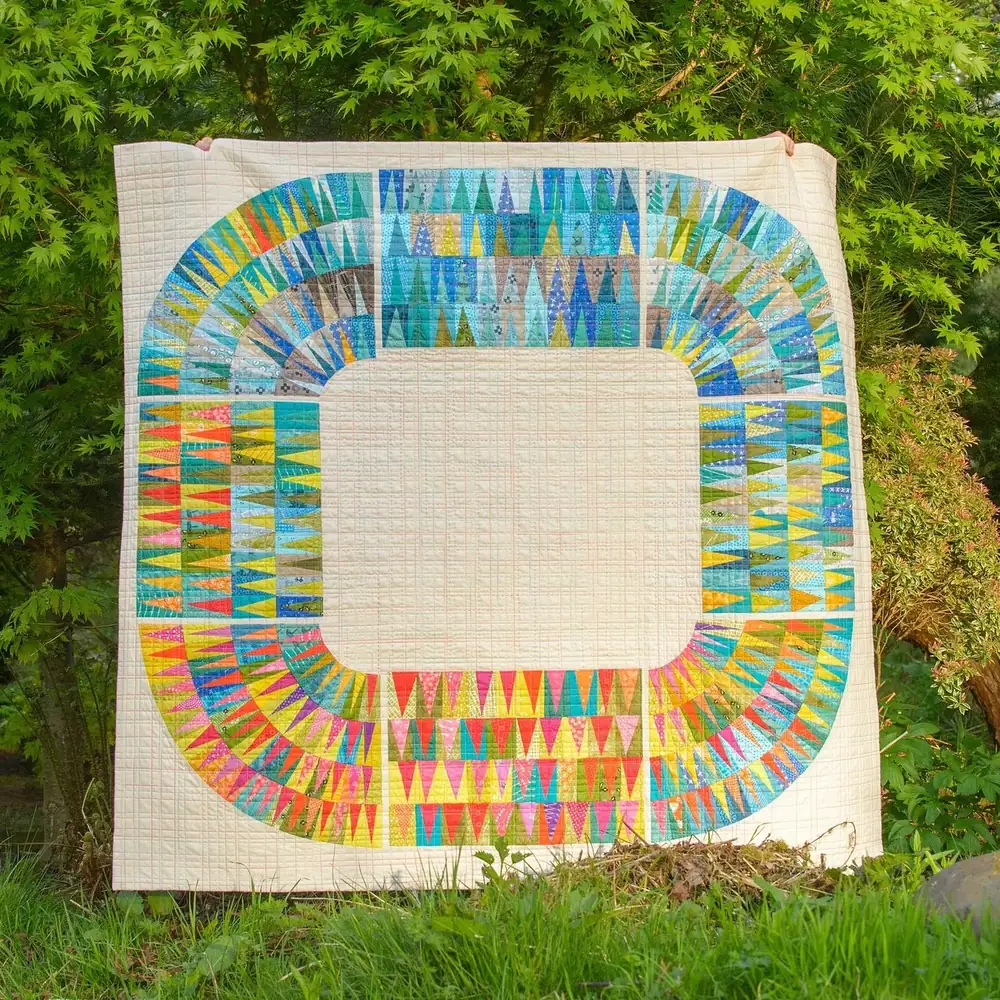
You can give the traditional temperature quilt format a seasonal theme with this Witches Sabbat design. The temperature data still provides the structure, but the Halloween-inspired concept gives you a stronger visual identity and makes the finished quilt especially suited to fall décor.
You will want to plan your fabric palette before the year begins so the temperature changes remain readable inside the darker seasonal colors. Pellon fusible interfacing can be useful for adding support to smaller appliqué or decorative pieces when the pattern calls for extra stability. If you enjoy making seasonal quilted pieces, these festive fall sewing ideas can give you more projects to work on once autumn arrives.
How to Make Your Temperature Quilt Easier to Manage
Choose your temperature ranges before you choose all your fabrics. A scale with too many narrow ranges can leave you scrambling for slightly different shades, especially if your local temperatures do not hit every category regularly. Six to twelve clearly separated colors are often easier to manage than a huge palette, and you can adjust the number to suit your climate and design.
Keep a physical temperature key with your project. Write down the temperature range, fabric name, and a small fabric swatch, then keep it with your quilt pieces instead of relying on memory. This becomes particularly useful several months into the project when you may not remember whether a particular shade represented 70–79°F or 80–89°F.
Decide exactly what temperature you are recording. Daily high, daily low, average temperature, or another consistent measurement can all produce different quilts, so switching between them will affect your color record. Pick one method that makes sense for your project and use it from the first day to the last.
If you are sewing monthly rather than daily, store each month’s pieces in a labeled bag or container. That keeps your work organized and lets you catch missing days before the information becomes difficult to recover. These quilted puppy patterns are another example of how a strong organizational system can make a multi-piece quilt project easier to manage.
Common Problems to Watch For When Making a Temperature Quilt
Avoid choosing fabrics only because they are pretty. Your colors need enough separation for the temperature changes to remain visible across hundreds of pieces. Lay your entire temperature palette next to each other before starting and check whether neighboring shades are distinct enough to tell apart quickly.
Be careful when pressing repeated small blocks. Too much heat or pressure can distort bias edges, especially when your design includes triangles, hearts, or kaleidoscope pieces. Press according to the fabric and construction method rather than automatically pushing the iron across every seam.
A temperature quilt becomes much easier to enjoy when you treat it as a manageable routine rather than a project you have to finish all at once. Record your data, sew a small amount at regular intervals, and keep your color system close at hand. If you still have fabric left after your yearly quilt is complete, these scrap fabric placemat ideas can help you turn those leftovers into something useful.
Once your temperature quilt is underway, you may find yourself looking at everyday weather in a new way. For another project that turns small fabric pieces into something meaningful, take a look at these crumb quilting patterns and keep your scrap bin busy.