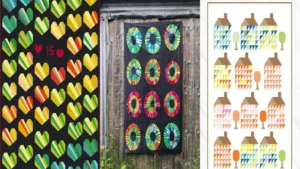
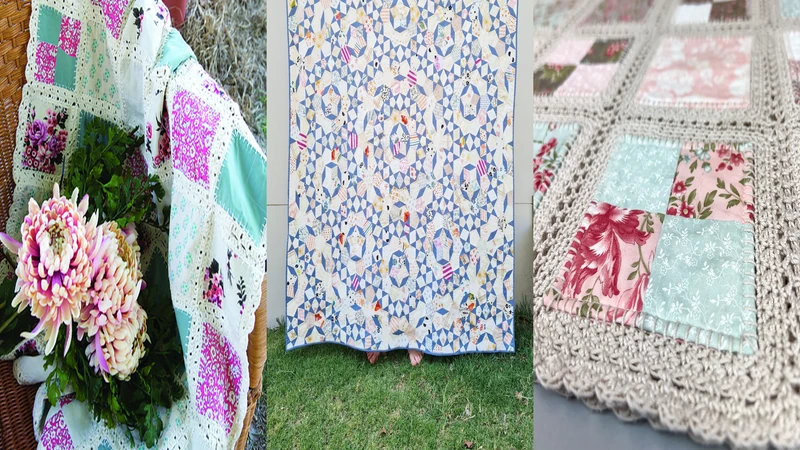
Lace fusion quilts give you a lovely way to combine traditional quilting with crochet, lace, or delicate fabric details. You can work with simple fabric squares, finished quilt blocks, vintage lace, or even quilt-as-you-go strips to create something with plenty of texture. These projects give you several ways to bring fabric and fiber techniques together without making every part of the quilt complicated.
Things You’ll Need
- Rotary cutter with a self-healing cutting mat
- High-quality cotton fabric bundles
- Acrylic quilting rulers for precise shapes
- Sewing machine with quilting foot attachment
- Soft batting for a cozy finished feel
Creative Lace Fusion Quilt Patterns to Try
Looking for the pattern or tutorial? You’ll find the source link right below each image. Some featured projects are shared for inspiration, so not every image includes a step-by-step tutorial!
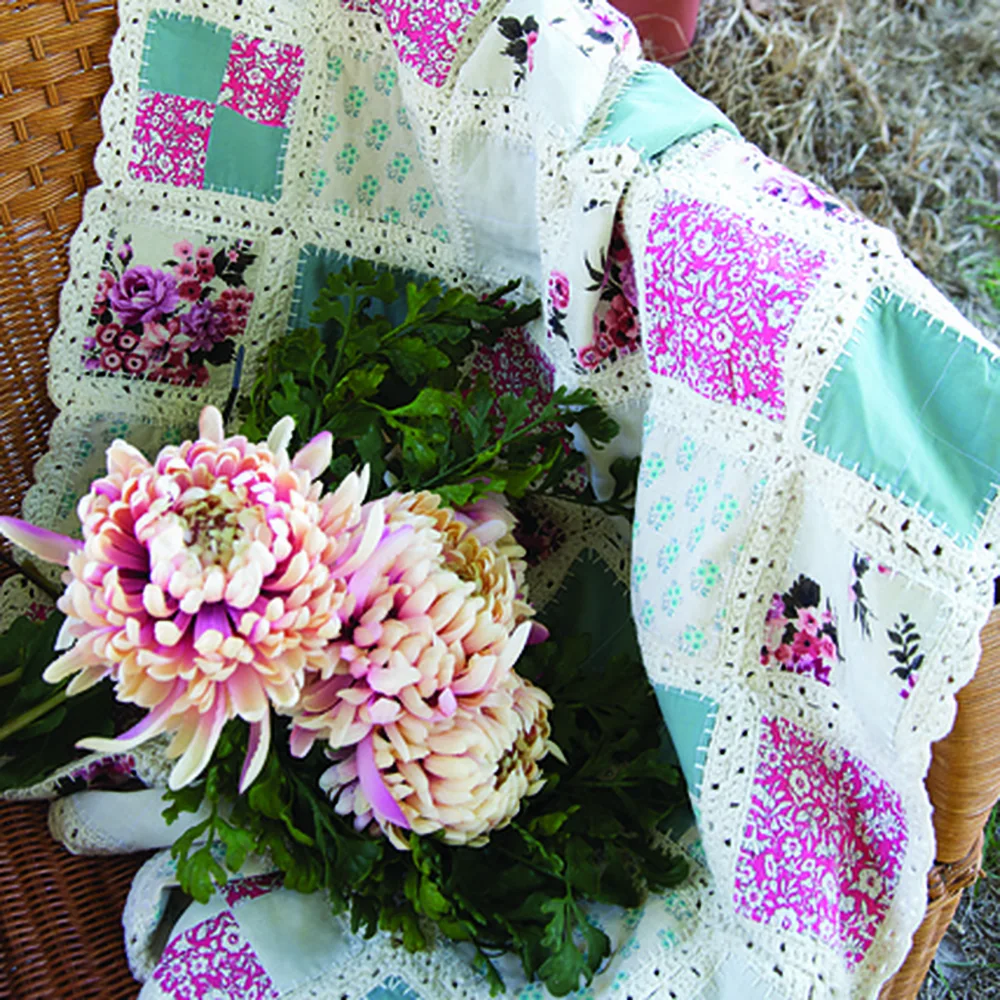
1. Lace Fusion Quilt Pattern
Skill Level: Intermediate
Time to Make: About 6 to 8 hours
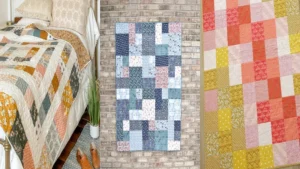
You can use this fusion quilt as a starting point if you enjoy mixing traditional patchwork with crochet details. The design gives you room to combine fabric sections with a decorative crocheted element, so you can choose colors and textures that suit your own sewing space.
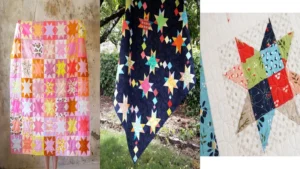
Take your time with the joining stage because the fabric and crochet portions need to sit evenly together. A seam roller can help you flatten seams without pressing delicate crochet directly with a hot iron. If you like working with decorative blocks, these star flower quilt blocks can give you another direction for building a textured focal area.
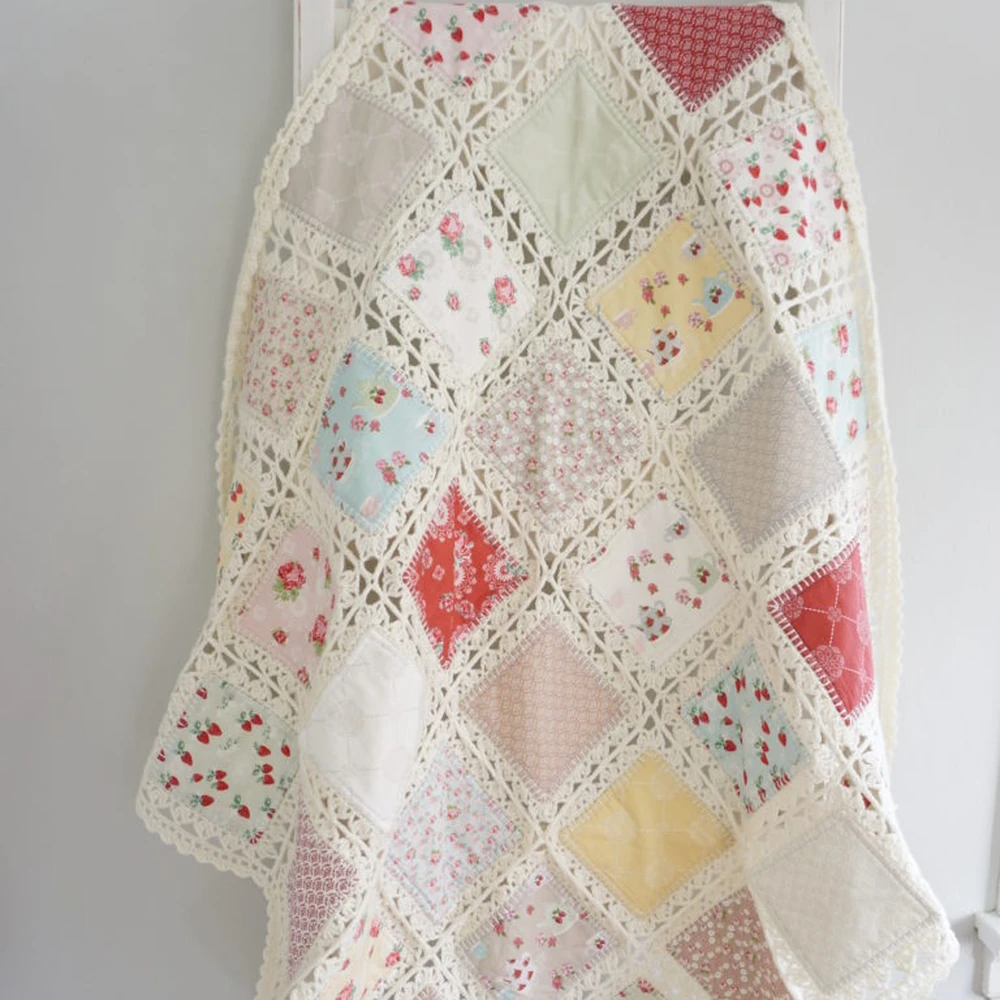
2. High Tea Fusion Crochet Quilt and Border Free Pattern
Skill Level: Intermediate
Time to Make: About 7 to 10 hours
You get a true fabric and crochet combination with this High Tea design, where fabric squares form the quilt and crochet becomes an important part of the finishing. You can also use the crochet edging separately on other projects, making this a useful pattern to keep around if you enjoy experimenting with borders.
You will want to block your crochet sections before joining them so the finished edges stay consistent. That small preparation step can make a noticeable difference when you begin attaching the fabric pieces. These French Roses quilt patterns can also help you think about soft floral color combinations for your fabric squares.
3. Crochet Lace Fusion Quilt Tutorial
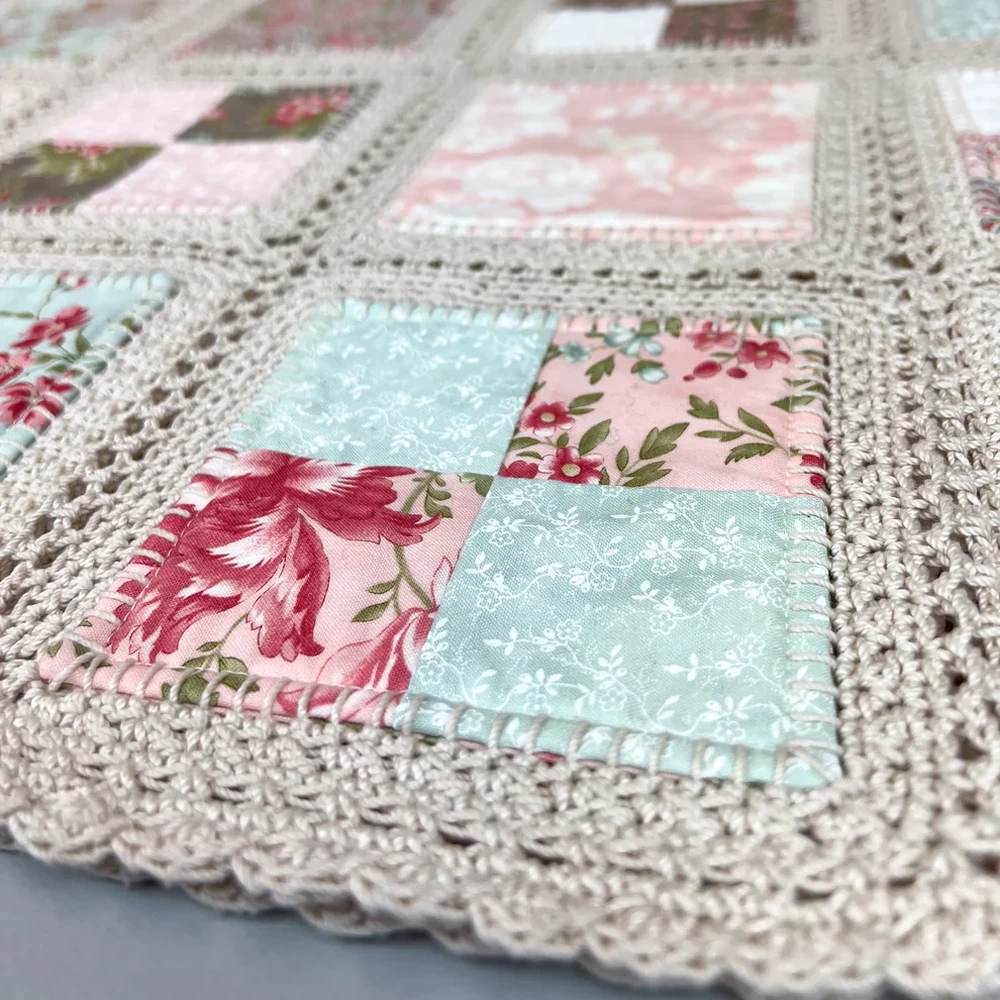
Skill Level: Intermediate
Time to Make: About 6 to 9 hours
You can use this tutorial if you want a more detailed introduction to the crochet side of fusion quilting. The project brings crochet lace and quilted fabric together, giving you a chance to build your sewing skills and crochet skills into one finished piece.
Work in small sections rather than trying to handle the entire quilt at once. A Mettler Silk Finish cotton thread can be useful for the fabric portion when you want smooth, dependable stitching. If you enjoy combining handwork with patchwork, these embroidery fusion quilt patterns offer another way to mix techniques.
4. Antique Lace Quilt With Jenny Doan Free Tutorial
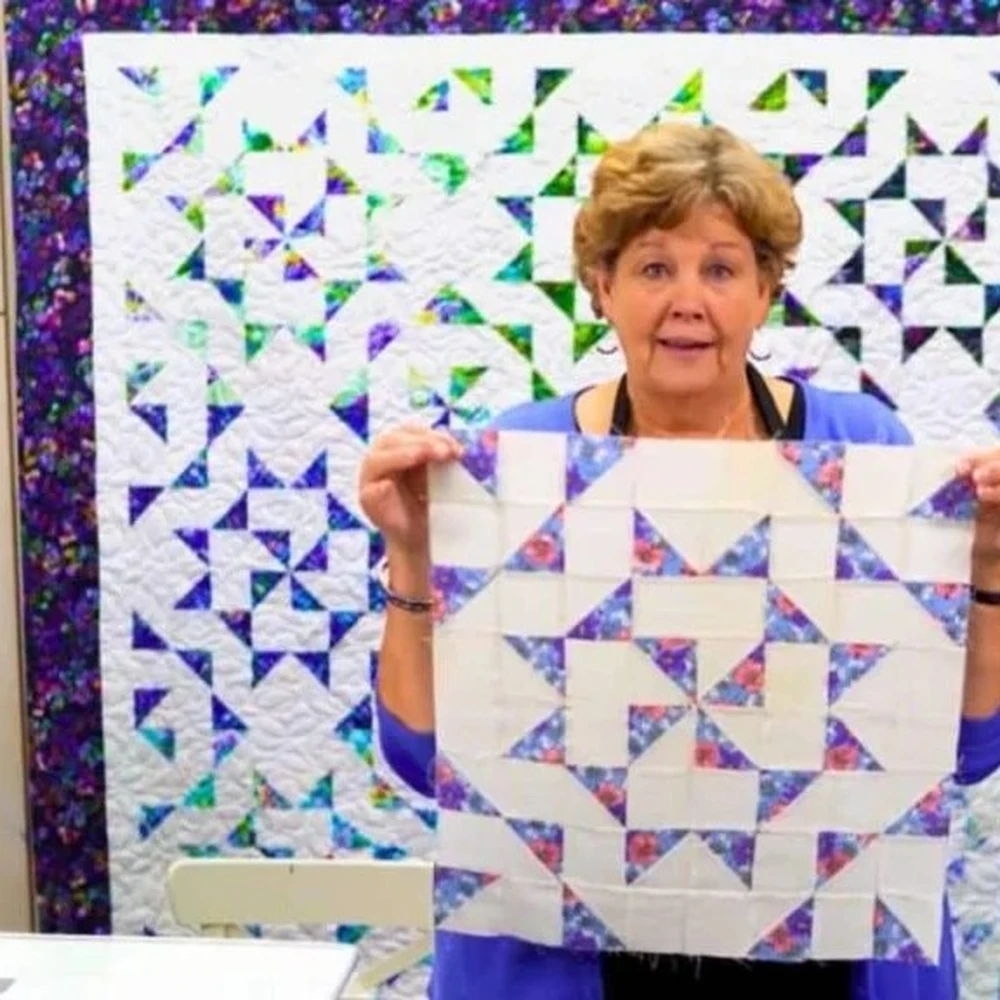
Skill Level: Beginner
Time to Make: About 5 to 7 hours
You can use an antique lace look to give a traditional quilt a softer finish without having to build a complicated block design. This project is a good choice if you have vintage-inspired fabrics or lace trims that you have been saving for something special.
Keep the lace placement balanced so it adds detail without hiding the patchwork underneath. You can secure delicate pieces with temporary adhesive before stitching, and 505 temporary fabric adhesive spray can make positioning larger sections easier. These free applique quilt patterns can give you more ideas for adding decorative fabric details.
5. Free Lace Fusion Quilt Pirouette in Blue and White
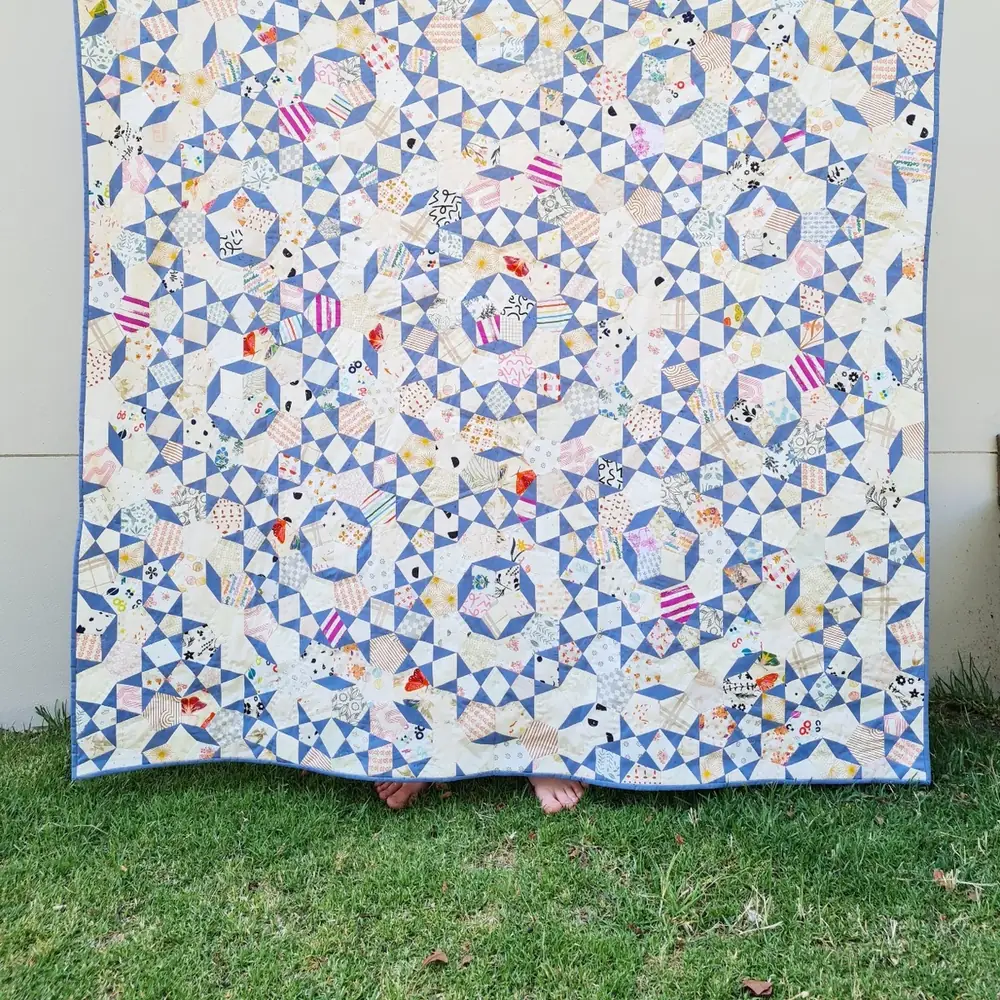
Skill Level: Intermediate
Time to Make: About 8 to 12 hours
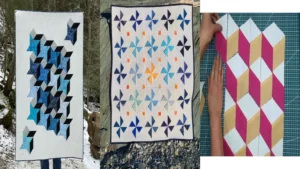
You can use a blue and white palette to give this Pirouette style quilt a crisp, coordinated appearance. The design is particularly useful if you enjoy English paper piecing and want to bring detailed fabric placement into a larger quilt with a delicate finish.
Fussy cutting can make your fabric motifs line up beautifully across the repeated shapes, but it is worth planning your fabric placement before cutting every piece. A fat quarter bundle can give you enough coordinated prints to build variety without losing control of the color palette. For another project built around repeated detailed shapes, these Starry Night quilt ideas are worth saving.
6. Quilt As You Go Strip Quilt with Lace Free DIY
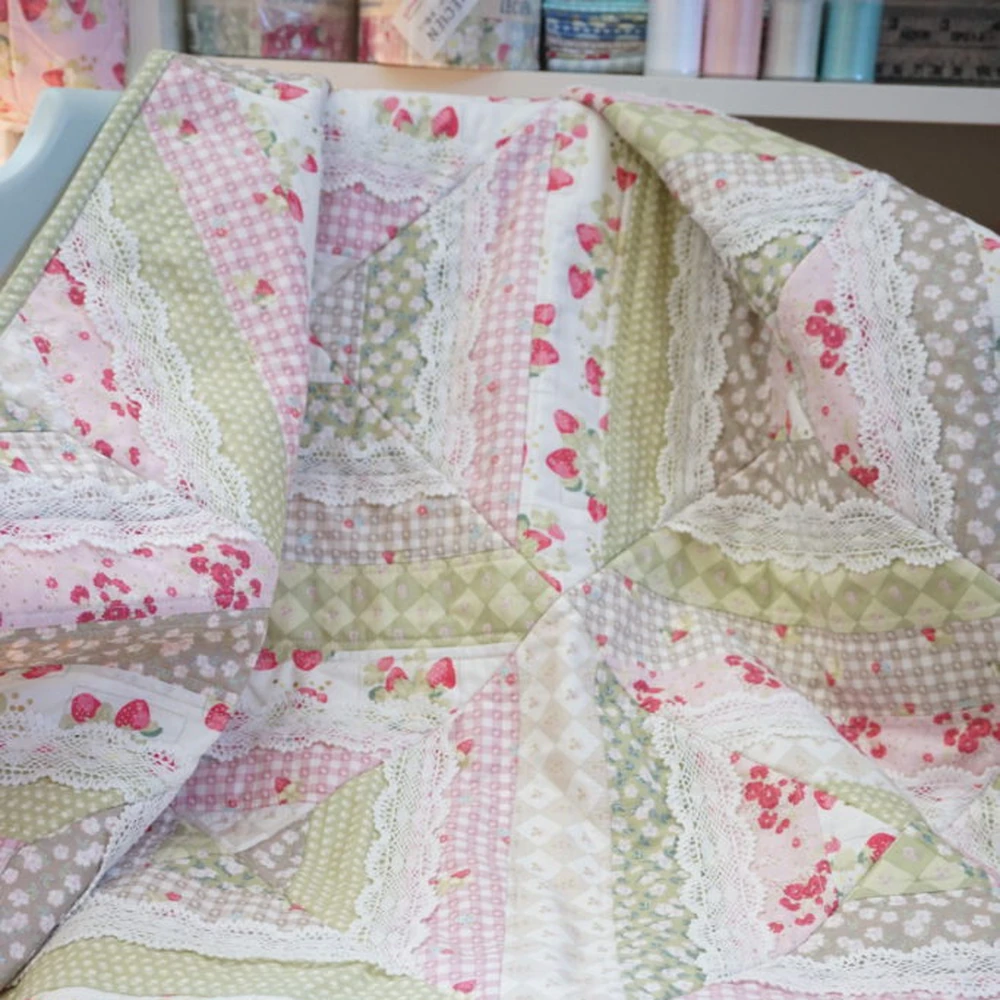
Skill Level: Beginner
Time to Make: About 4 to 6 hours
You can make this style of quilt in manageable sections instead of wrestling with one large quilt sandwich from the beginning. The quilt as you go method lets you quilt individual strips and bring them together later, making it especially useful if you have limited table space.
Lace adds another layer of texture to the strip arrangement, so you can keep the fabric choices relatively simple. Press each strip carefully before joining the sections so the finished quilt stays flat. A quality cotton thread is a sensible choice for repeated quilting lines. If you enjoy projects that make good use of leftover fabric, these crumb quilt patterns offer another way to build a quilt from smaller pieces.
Practical Ways to Get Better Results With Lace Fusion
Keep your seams and attachment points as flat as possible. A small amount of fusible support behind a delicate fabric section can prevent stretching, but you do not want to make the area so stiff that it behaves differently from the rest of the quilt. These quilt batting tips can help you choose a suitable layer for the finished weight and drape.
Plan the order of construction before you start joining the different materials. Fabric can be trimmed, pressed, and sewn predictably, but crochet and lace may stretch or shift under pressure. Make one small sample first and use it to decide how much handling your chosen materials can take.
If you are using crochet edging, block it before attaching it to the quilt. Even a small difference in the length of two border sections can create puckering at the corners. A blocked piece gives you a stable measurement and makes the final joining stage much easier.
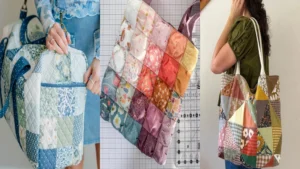
You can also use lace fusion techniques on smaller projects before committing to a full quilt. These quilted book sleeve projects are a good size for practicing layered fabric, decorative trims, and careful finishing. A heat erasable fabric pen can also help you mark temporary placement lines on suitable fabric.
Common Problems to Watch For When Combining Lace and Quilting
Pay attention to washing before you finish the quilt. If your fabric, lace, and crochet components require different care, prewashing the washable materials can help you avoid major changes later. You can also choose a gentle quilting design that will not pull aggressively on delicate trim. These embroidery fusion quilt patterns offer more ideas for combining decorative handwork with practical quilt construction.
Do not rush the final pressing stage. Lace and crochet can flatten or distort under direct heat, so protect delicate areas and press the surrounding fabric instead of forcing the iron over every raised detail. A charm pack can also be a convenient way to create small fabric sections when you want to practice the technique on a smaller project first.
Lace fusion quilting gives you plenty of freedom to combine techniques that do not usually appear together in one quilt. You can keep the fabric simple and let the lace provide the detail, or build a more intricate patchwork base and use crochet as the finishing touch. For another project that brings a strong decorative element into quilting, these flower quilt patterns are worth adding to your sewing list.
Once you have tried combining lace with patchwork, you may find plenty of other ways to bring texture into your quilts. Keep your next project going with these quilted bedside caddy projects for another useful make.